
" We don't sell the wine without touching the vine "
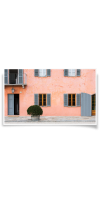
With an extension of about 45 hectares of vineyards distributed between the hills of the Langhe and Monferrato, the Tenute Cisa Asinari dei Marchesi di Grésy are a historic Piedmontese winemaking reality, whose roots go back to the end of the 18th century.
We always produce elegant wines, suitable for both daily consumption and great celebrations.
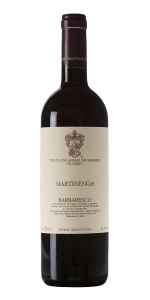
Tenute Cisa Asinari Marchesi di Gresy Gaiun Martinenga Barbaresco 2016.
Bright garnet red with slight orange reflections. Intense and pleasant hints of plum and cherry blend sinuously with balsamic nuances of mint, tea leaves, dried flowers and blond pipe tobacco.
Matthews Cabernet Sauvignon Columbia Valley is made from 76% Cabernet Sauvignon, 15%Merlot, 6% Cabernet Franc, 2% Petit Verdot, 1% Malbec.
The 2021 Columbia Valley Cabernet Sauvignon is deep ruby in the glass with purple hues. The rich bouquet of spiced black plum and cocoa nib are balanced with aromas of fresh earth and crushed flint. Intense and opulent flavors of ripe blackberry, cedar, mocha, and black currant coat the broad and balanced palate and the ripe tannin creates a perfect frame for the lush fruit expression. Cherry cordial and cola linger on the long, quenching finish.
Review:
A wonderfully balanced Cabernet with tremendous purity of fruit and a brilliant freshness. A blend of sites across the Columbia Valley focused on the Horse Heaven Hills, Red Mountain and Royal Slope. Smoky violet notes and crushed stone follow graphite minerality and dusty berries. The palate is delightfully distinguished. Cabernet and savoury herbs mingle with red berries, black brambles, and a brilliant mineral tone.
-Decanter 94 Points
Coming out strong out of the gate, the 2021 ‘Columbia Valley’ Cabernet Sauvignon is nearly all varietal. Dark chocolate shavings, baking spices and anise come together on the nose. The palate is beautifully balanced with a seamless texture and great sense of weight, with heady roasted date and black currant flavors. Generous and rich, this is a gorgeous showing from 2021. This is a serious value to purchase by the case.
- Owen Bargreen 94 Points
Precise and expressive, with handsome flavors of blackberry, bay leaf and espresso that build richness and structure toward refined tannins.
-Wine Spectator 93 Points
The 2021 Cabernet Sauvignon Columbia Valley is spicy, showing off a gentle peppery tinge and dusty rose tones that give way to dried black cherries. This is wonderfully crisp and refined, with silky textures and depths of dark red fruit propelled by juicy acidity. It tapers off long and structured, yet the tannins are quite sweet. The 2021 finishes with a pleasant crunch and a lingering licorice tinge.
-Vinous 93 Points
The 2021 Cabernet Sauvignon is based on 76% Cabernet Sauvignon, 15% Merlot, 6% Cabernet Franc, 2% Petit Verdot, and 1% Malbec. A rocking wine offering ample red and black plum-like fruit, chocolate, tobacco, and subtle violet-like aromas and flavors, I t's full-bodied and has a terrific mid-palate, velvety tannins, and a great finish.
-Jeb Dunnuck 93 Points
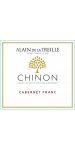
Alain de la Treille Chinon is 100 percent Cabernet Franc.
Our Chinon, with its bright intense purple colour, offers complex and mineral aromas and finally red fruits scents like blackcurrant and blueberry.
MAISON ALAIN DE LA TREILLE is located in the heart of Loire Valley since 1885. Vineyards owner and winemaker, ALAIN DE LA TREILLE creates diverse and delicate wines on the most prestigious vineyards: Muscadet, Touraine, Vouvray, Sancerre.
Average age of the vines is 20 years old.
Classic red vinification and Maturation in stainless steel vats
Wine was slightly filtered before bottling to ensure wine will remain stable
Pairs with roasted meats, « charcuteries » or any good cheese.



