
" We don't sell the wine without touching the vine "
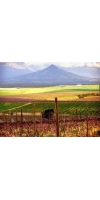
The Royal Winery Estate
Royal is produced at Riebeek Cellars, established in 1941 and situated in Riebeek Kasteel at the foot of Bothma's Kloof Pass. This medium-sized winery on the western coast of the Cape Province of South Africa sources its grapes from the fertile Riebeek Valley and the slopes of the mountain where the climate is very similar to the Mediterranean. Through the years as vineyard practices developed, cultivars were planted in soil and at slopes best suited to them. These well-tended vineyards enable the production of high quality wines which makes Riebeek Cellars the choice of wine buyers internationally. Well-known both in South Africa and abroad, Riebeek Cellars manages a variety of brands for various countries.
Heritage
Corporal Pieter Cruythoff, a scout of Jan van Riebeeck, founded the Riebeek Valley in 1661. Impressed by the single standing mountain, he called it Kasteelberg (“Castle Mountain”) commemorating the Castle of Good Hope in Cape Town, the fortress of Commander Jan van Riebeeck. The twin towns, Riebeek Kasteel and Riebeek West, established at the foot of Kasteelberg, are therefore also suitably named after Van Riebeeck.
The Riebeek Valley is a mecca of wonderful wines, exceptional food and exquisite art where tourists and locals alike are forever tempted into spending more time than allowed. The serene valley falls in the bigger Swartland region which is called the 'bread basket' of South Africa for its grain production, while it is further internationally acclaimed for its high quality olive products. With various hotels and fine-dining restaurants as well as true country hospitality, the Riebeek Valley has become a very popular tourist destination. The ultimate charm of Riebeek is however in its people and their commitment and passion for wine.
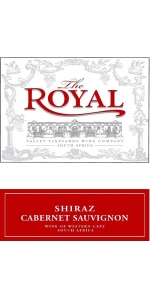
The Royal Shiraz Cabernet is made from 50% Shiraz, 50% Cabernet Sauvignon
The Royal Shiraz – Cabernet Sauvignon borrows its name from a grand old hotel in Riebeek Kasteel. It is the oldest hotel in the Western Cape; a beloved fixture of the area.
Juicy and fruity, rich and ripe in style with blackberry, blackcurrant and spice flavors, subtle vanilla and black pepper. Smooth and well-balanced with a lingering finish of berries, spice and beautifully integrated oak.
Pairs well with red meat, especially classic recipes like roasted leg of lamb, grilled lamb chops and beef kebabs, game, duck, pasta and cheese.
The Royal Shiraz Cabernet is made from 50% Shiraz, 50% Cabernet Sauvignon
The Royal Shiraz – Cabernet Sauvignon borrows its name from a grand old hotel in Riebeek Kasteel. It is the oldest hotel in the Western Cape; a beloved fixture of the area.
Juicy and fruity, rich and ripe in style with blackberry, blackcurrant and spice flavors, subtle vanilla and black pepper. Smooth and well-balanced with a lingering finish of berries, spice and beautifully integrated oak.
Pairs well with red meat, especially classic recipes like roasted leg of lamb, grilled lamb chops and beef kebabs, game, duck, pasta and cheese.
The Royal Shiraz Cabernet is made from 50% Shiraz, 50% Cabernet Sauvignon
The Royal Shiraz – Cabernet Sauvignon borrows its name from a grand old hotel in Riebeek Kasteel. It is the oldest hotel in the Western Cape; a beloved fixture of the area.
Juicy and fruity, rich and ripe in style with blackberry, blackcurrant and spice flavors, subtle vanilla and black pepper. Smooth and well-balanced with a lingering finish of berries, spice and beautifully integrated oak.
Pairs well with red meat, especially classic recipes like roasted leg of lamb, grilled lamb chops and beef kebabs, game, duck, pasta and cheese.
DuMOL 'Chloe' Chardonnay is made from 100 percent Chardonnay.
Our first vintage of Chloe was 2000, and although the vineyard mix has changed over the years, the wine has always focused on the central Russian River Valley district to represent the richest side of DuMOL Chardonnay. The wine has lower acidity than our coastal wines, making it more approachable in its youth, and the flavors focus more on orchard fruits than citrus. The neighboring El Diablo and Flora Marie vineyards sit overlooking the river on gravelly loam soils and provide the wine's deep fruit generosity. These are the first vineyards we harvest each year as the lean soils really advance their crop’s ripening. We offset this fruit richness with grapes from our Green Valley Bressay Estate, which overflow with tense structure and coastal acidity. It’s a seamless combination that produces a thrilling result, and Chloe is the first of our designate Chardonnays you should open each vintage.
The wine’s aromas and flavors are akin to peach, apricot, oatmeal and anise. Fresh thyme and honey notes combine with tangerine and lemon curd. It’s a deeply textural and expansive wine that gently glides along the palate. Lively acidity and spicy notes of ginger and white pepper provide lift and energy to the finish. A beautiful, layered, and richer style to enjoy soon after release. Drink between late-2024 and 2029 and serve no cooler than 55º F.
Review:
A Central Russian River Blend, the 2022 Chardonnay Chloe is a bright yellow hue and captures a wide spectrum of citrus with notes of orange, Meyer lemon, fresh pineapple, toasted spice, and a hint of almond through the mid-palate as well as a nice lift of citrus on the finish. It’s a beautiful wine offering a richer tone through the range. Drink 2024-2034.
-Jeb Dunnuck 96 Points
Strong typical Pinot Noir characters are the distinguishing features of this wine, together with the balance of flavour. Made from just one small portion of Pinot grapes that are carefully spur pruned in winter, then meticulously looked after over the summer to eventually be handed from the vineyard team to the winemaking team to carry on the intense care and attention to detail that is needed to make the best Pinot Noir.
The favourite wine of our winemakers to make as it really extends all of their skills from working with the small open-top fermentation tanks, which allow for constant hand plunging of the grape skins ( a small wooden plunger constantly pushes the skins below the surface of the juice) to selecting a variety of different French oak barrels that the wine will mature in for more than twelve months. The real skill is in the blending, as not all the barrels will make the grade for our top Pinot Noir. Days are spent tasting and re-tasting barrels and blends looking for the elusive blend that conveys the smooth velvet texture of Pinot Noir.
14.5%
Best enjoyed with a leg of lamb on a Sunday with the family.



