
" We don't sell the wine without touching the vine "
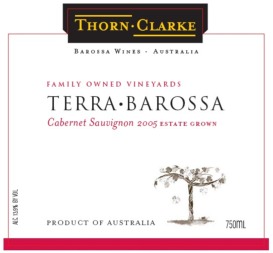
| Country: | Australia |
| Region: | Barossa Valley |
| Winery: | Thorn Clarke - Terra Barossa |
| Grape Type: | Cabernet Sauvignon |
| Vintage: | 2011 |
| Bottle Size: | 750 ml |
Thorn Clarke Terra Barossa Cabernet Sauvignon is made from 100% Cabernet Sauvignon
The range is named is named in honor of the rich soils in the region which are a major factor in the Barossa’s reputation as one of the great wine regions of the world.
The wine shows a bright red with a purple hue on release. Lifted blackcurrant balances the fresh herb characters on the nose. A hint of eucalyptus is evident. The palate has bright currant characters throughout. Spice and chocolate add to the complexity of the wine. The tannins are ripe and grainy and give the wine good structure.
Thorn Clarke Terra Barossa Shiraz is made from 100 percent Shiraz
Deep purple red. Aromas of ripe plums, cherries and earth with subtle notes of vanilla and cloves. The aromas follow through onto the palate with a fruit focus, subtle oak notes and soft, rounded tannins. The wine walks the line between medium and full bodied with a plush mouthfeel.
The grapes are crushed and de-stemmed into fermenters. Yeast is added immediately once in fermenter and the ferments are pumped over twice daily to maximise colour, tannin and flavour extraction. Cooling is used to ensure ferment temperatures remain in the 22-25 degree celcius range which will allow the fruit to display maximum fruit expression. Pressing then occurs approximately seven days after crushing and the wine is then put into predominately American oak to mature.
Review:
"This is a gently spicy shiraz with aromas of red berries and plums, gentle spice and a little perfume and spiced pastry, too. The palate has a supple and fleshy feel with bright and ripe red to dark-berry flavors. Soft, plump tannins. Drink now. Screw cap."
-James Suckling 91 Points
Thorn Clarke Shotfire Quartage is made from 58% Cabernet Sauvignon, 16% Cabernet Franc, 16% Merlot, 10% Petit Verdot.
.
The fruit was harvested at night. Fermentation was carried out in a variety of small capacity fermenters. After pressing the parcels were filled to French oak (12 months) for maturation. The wine was racked after six months and the parcels were blended to form the final wine.
Shotfire Quartage is based on the five traditional red varieties found in the Bordeaux region of France (Cabernet Sauvignon, Merlot, Cabernet Franc, Petit Verdot and Malbec). The Thorn-Clarke winemakers use at least four of the varieties to create the blend each year (occasionally, they can get over excited and use all five). The blend is a reminder to not only look to the future but also to keep an eye on the past and tradition.
Much like the previous vintage, the 2020 harvest has produced wines of immense quality but with very low quantities. Another dry winter and mild weather during the ripening period lead to great varietal flavours and excellent tannin structure. Upon harvest the bunches were few and far between and the berries themselves small. This led to fruit with intense flavor and color along with great power and balance.
This generous blend boasts a rich deep red-purple color. Aromas of blackberries, satsuma plum and anise fill the glass. On the palate, plush tannins are accompanied by rich notes of cassis and blackcurrant. Together they produce a wine with lavish density, complexity and length. A wine that can be enjoyed now or laid down to age for many years.
The Shotfire range honors a family pioneer who worked the Barossa goldfields in the late 1800's. He had the hazardous job of being a 'Shotfirer'; one who handled the explosives to be used in finding that rich vein of gold.
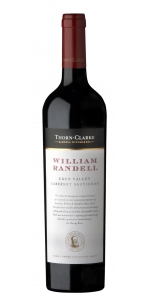
Thorn Clarke William Randell Cabernet is made from 100 percent Cabernet
The William Randell range of wines were created in honor of the family ancestor - the esteemed pioneer William Richard Randell (1824 - 1911). The wines are sourced solely from grapes grown on the family estate vineyards. Wines in this range are only made in exceptional vintages.
The deep red color with purple hues of this wine draw you in. The nose is brimming with notes of fresh blackcurrant intertwined with complexing savory spice. The palate has an integrated French oak influence with notes of toasty cedar accompanied by further notes of briary fruits. A wine with great depth and drive.
Thorn Clarke Shotfire GSM is made from 51% Grenache, 39% Shiraz, 10% Mourvedre.
The Shotfire range honors a family pioneer who worked the Barossa goldfields in the late 1800's. He had the hazardous job of being a 'Shotfirer'; one who handled the explosives to be used in finding that rich vein of gold.
A classic blend of the traditional stalwarts from the Barossa, this blend of Grenache, Shiraz and Mourvèdre is sourced from older low yielding vines.
Bright crimson in color with purple highlights at the edge of the glass. The nose is lifted and draws you in with ripe plum, mulberry and white pepper. The palate is plush and vibrant with cherries, forest fruits and enticing spice. As silky and smooth as it is complex and savory - the wine is beautifully balanced and juicy with great structure and generous mouthfeel. This classic GSM finishes with long, velvety tannins.
Each variety was destemmed and fermented separately - in small 6 tonne open fermenters - to allow full expression of varietal character. To ensure optimum extraction of tannins, color and flavor the Grenache was pumped over twice daily for a duration of 10 days and both the Shiraz and Mourvedre spent 7 days on skins with pump overs twice daily. Fermentation temperatures were maintained between 22-25 degrees to retain fruit purity. All batches were pressed off and once both primary alcoholic fermentation and secondary malolactic fermentation were complete the wines were then racked to new (10%) and 10 year old French hogsheads where the wines matured for a period of 18 months. Bench blends were created to ensure a harmonious final wine.
Pairs best with slow Cooked Lamb or Roasted Vegetable Medley.
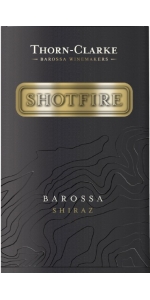
Thorn Clarke Shotfire Shiraz is made from 100% Shiraz.
Striking deep red-purple in color. A rich, voluptuous wine with aromas of blackcurrant and mulberries accompanied by notes of smokey oak and hints of cloves. The palate is filled with dark fruits and chocolate backed up by taut tannins and lingering oak.
Story:
When the Clarke forebearers discovered gold in 1870 at the Lady Alice mine in the Barossa goldfields, so began a family dynasty intrigued by geology. A fine legacy that is reflected today in the terroir of our vineyards. The Shotfire range immortalizes the Shotfirer's hazardous job of setting and lighting the charges in the mines.
Fran shares his story on how he discovered Thorn-Clarke:
"It was October 2001 and I was searching for and sourcing for Australian wines, as it was clear that Australia was going to become the "next big thing." After tasting about 100 assorted wines, I decided I liked the style of Barossa, Shiraz best - chocolate, cherries, mint and eucalyptus - so I started focusing on Barossa growers (years later, Barossa Shiraz would develop its reputation as the Icon Shiraz for Australia).
Late on a Thursday afternoon, the carrier delivered a beat-up box of 12 bottles from Australia, 10 of which were leaking. The box was from a guy named Steve Machin, who had just left Hardy's and was beginning work with the Clarke family on setting up a possible new brand. The samples were sticky and messy, but I popped the corks anyway ..... and I was glad that I did. The wine inside tasted like Christmas - mint, eucalyptus, camphor, and evergreen aromas. Great acidity, color, flavor and length of finish - very tasty. These samples were so good and so exciting, especially compared to what I had tasted prior, that I immediately called the number on the card. I didn't realize that it was a Perth number (Western Australia) and it was actually 3:00 in the morning. It turned out I was calling the residence of David and Cheryl Clarke, where a sleepy Cheryl answered the phone. I told her, you don't know who I am, but we are going to be doing business together very soon, and lots of it! After a few months of talking, faxing (yes, faxing) and sorting out the details, I began importing their wines.
That super-star wine from the busted box of samples is the wine we know today as Shotfire Shiraz. It was originally called Stone Jar, but fortunately we came up with a better name. Many years and vintages later, I'm still glad to be importing Shotfire Shiraz and other Thorn-Clarke selections .... and I'm still glad that Cheryl Clarke woke up for that phone call."
Thorn Clarke Terra Barossa Cabernet Sauvignon 2011 is made from 100 percent Cabernet
The wine was aged for 12 months in primarily French Oak (about 20 % new oak).
Medium to deep red. The nose has great lift and intensity with a complex mix of cherry ripe, blackberries, liquorice and red current. The palate is medium weight with rich ripe fruit including blackcurrant and dried strawberry notes, which are nicely balanced with some spicy oak. The wine finishes with some fine tannins and good length of sweet fruit.
The Thorn Clarke Terra Barossa Estate
The winery owners are David and Cheryl Clarke (born Thorn) and their son Sam is the manager of the winery. The Thorn-Clarke family has a long history in the Barossa - six generations of involvement in the region's world famous wine industry. The Thorns have been grape growers in the Barossa since the 1870's. David Clarke's passion for the wine industry lead to the planting of the Kabininge vineyard outside of Tanunda in 1987, which represents the start of a deeper involvement by the family in the Barossa wine industry.
The Thorn Clarke Terra Barossa Vineyards
Terra Barossa pays tribute to the rich, fertile soils of the region which contribute to wines of such great character. The free draining soil structure combined with the continental climate of warm days and cool nights enables them to produce elegant wines with good varietal character.

Pulled from a Gentleman's cellar, all wines from this cellar have been purchased by the owner either from the importer or direct from winery. They stayed in his cellar until being moved to the Timeless Wines warehouse.
Ossian Capitel Verdejo is made from 100% Verdejo.
Ossian Capital represents a particular expression of very old Verdejo vines, taking its potential far finesse, elegance and longevity. It is made in selected years with a selection of extraordinary grapes.
Color: Old golden yellow color with greenish reflections.
Aromas: Surprisingly nuanced and profound.
Flavors: Fresh, full and very light.
Review:
This is very old-vine Verdejo – some approaching 200 years – from Nieva, a cool region south of Valladolid in the province of Segovia. Here, the signature sandy soils take centre stage, resulting in a precise and chiselled white wine that shows off the freshness of the area. Typical varietal bitterness (hemp and grapefruit pith) combines with subtle oak to create a mouthwatering and textured white that will certainly develop further over the coming years. Organic.
-Decanter 96 Points
"Smoky and complex, this centenary Verdejo from Nieva balances grapefruit pith and mango with a subtle leesy texture. The oak is understated, allowing Segovia’s hallmark acidity and sandy grip to shine through. Layered, bitter-edged, and mouthwatering, it’s a serious, terroir driven wine with remarkable freshness and a long, mineral finish. 2025-28"
- Tim ATKIN (Discover Spain 2025), 96 pts



