
" We don't sell the wine without touching the vine "
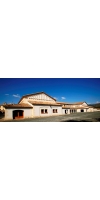
Tierra de Leon is situated among the mountain ranges of the South Cordillera Cantábrica. This region is well known for its long history of wineries and winemaking that root back all the way to the 10th century.
Continental climate rules over Tierra de Leon. Tierra de Leon has long periods of hot and dry summers followed by cold winters. Winters can get extreme at times with temperatures below 0 degree centigrade accompanied by frosts and fogs. The region’s soils have brown rocky deposits and soft lime stones. Tierra de Leon’s soils have great characteristic for absorbing and retaining water and other mineral deposits. The climate and soil of Tierra de Leon has allowed for different varieties of grapes to grow and blossom. Pierto Picudo grape is very common in Tierra de Leon. Pierto Picudo is resistant to drought, a fine and rare quality that Tierra de Leon region takes advantage of. White grapes that make white wines, such as Verdejo, Albarin and Godello, are among other grape varieties that can be found in Tierra de Leon.
No products found
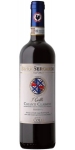
Intense ruby red color. Hints of spices, fruit and flowers, a bouquet that reflects the soil on which it is born, rich in Alberese. In the mouth it is soft, with a pleasant acidity that makes the wine fresh and lively. Sweet and ripe tannins give the wine a pleasant persistence. Riserva dei Colli is an excellent expression of the Estate's Sangiovese, so much so that it bears its name.
Review:
Bordering on opulent, this red features blackberry, black currant, plum, iron and spice aromas and flavors, matched to a velvety texture. Firms up as the resonant tannins emerge, yet remains harmonious and long. Drink now through 2032. 1,700 cases made, 570 cases imported.
-Wine Spectator 93 Points
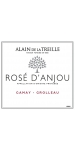
Alain de la Treille Rose d'Anjou is made from 50% Gamay, 50% Grolleau
The Rosé d'Anjou AOC, also known as Anjou Rosé AOC, produces medium-sweet rosés. Wines are made predominantly from Grolleau, with percentages of Cabernet Franc, Cabernet Sauvignon, Gamay, Malbec and Pineau d'Aunis permitted. Anjou soils reflect the geological identity of its border position between Armorican and Parisian basins. The terroirs consist of metamorphic and crystalline rocks (schist, sandstone) known as Anjou Noir, and ‘Terres Blanches’ (white earth) limestone known as Anjou Blanc. The AOC covers 1,890 hectares (4,668 acres).
The Grolleau grape derives its name from the French word ‘grolle’, meaning crow – a reflection of the dark black color of the grapes.
Crisp and refreshing with vibrant aromas of strawberry and raspberry. Juicy and well-balanced with a long finish.
Selective juice extraction to preserve color & aromas. Temperature controlled fermentation is followed by aging on the fine lees. No malolactic fermentation; no oak.
To be served chilled (10°C/50°F) with barbecued meats, salads, any spicy food, poultry dishes and of course appetizers.



