
" We don't sell the wine without touching the vine "
| BUY MORE! SAVE MORE! | ||||||||||||||||||||
|
| Country: | United States |
| Regions: | California California (Napa) |
| Winery: | Titus Vineyards |
| Grape Type: | Cabernet Sauvignon |
| Organic: | Yes |
| Vintage: | 2021 |
| Bottle Size: | 750 ml |
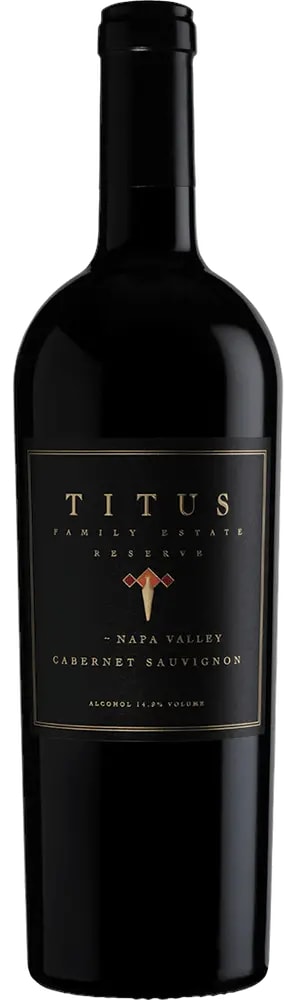
The 2021 Titus Family Estate Reserve embodies the depth, concentration, and beauty of our Ehlers Lane vineyard with grace and elegance. A core of Blueberry, black currant, mulberry and warm coffee are rounded out with hints of lilac and maduro wrapped cigar. Inkiness in the glass gives the wine depth and length with rich finely knit tannins melting to chocolate pot de crème intensity. Crème de cassis and berry tart notes yield to espresso and rich oak on the finish as the palate endures. Enjoy 2025-2041.
Review:
Lastly, the 2021 Cabernet Sauvignon Family Estate Reserve is based on 87% Cabernet Sauvignon, 9.5% Petit Verdot, and the rest Malbec. It's a touch more focused and linear compared to the Imperatus, but I love the purity and precision in its cr me de cassis, espresso, classy oak, and spicy, floral aromatics. Medium to full-bodied on the palate, with fine tannins and a seamless, layered mouthfeel, as well as ripe tannins, it's going to benefit from 2-3 years in the cellar and evolve for 15 years with ease.
-Jed Dunnuck 94 Points
The documented history of the property extends back to 1841 and includes General Mariano Vallejo, Dr. Edward Bale, Charles Krug, and Eli York, just to name a few. The land has been continuously farmed for over 150 years, with the Titus family’s first harvest in 1969. Dr. Lee Titus, a Radiologist, practicing in Sonoma at the time, purchased the land in 1968 and soon after, took over farming the vineyard. The evolution of wine production in Napa was moving towards those varietals - Cabernet Sauvignon, Merlot - and to further emulate the Bordeaux region, Lee oversaw planting all five of the classic varietals as the old vineyards were being replanted. And so, Titus Vineyards began; bringing together the traditional grapes of Bordeaux in a New World site marked the beginning of the family wine venture.
Dr. Titus and his family came to California from Minnesota during the Great Depression. After graduating from Fresno State and serving in World War II, Lee attended medical school and became a radiologist. Meanwhile, Ruth Traverso was growing up in San Francisco's North Beach, where her parents, immigrants from the Piemonte region of Italy, were involved in the family's bakery business. During family vacations in Calistoga, Ruth helped friends harvest their grapes, giving her a love for Napa Valley and a kinship with grape farming.
Years later, having fallen in love, married and settled in the town of Sonoma with their four sons, Lee and Ruth began acquiring fifty acres in three separate parcels just north of St. Helena on the valley floor. Life in 1960's Napa Valley was much simpler than it is today. California's wine industry had yet to achieve its enormous potential, and the land was still affordable for the right purchaser. The vineyard Lee and Ruth Titus acquired in 1968 were originally planted to long-forgotten varietals like Mondeuce, Burger, and Golden Chasselas; alongside were well-known varietals like Pinot Noir, which was poorly suited to the warm, up-valley microclimate. The vineyard needed a change.
In 1972 the Titus’ were able to acquire another small, 10-acre vineyard on Ehlers Lane just a half-mile north of their Ranch vineyard. Replanted to Cabernet Sauvignon and Petite Verdot on dense, rocky volcanic soils, the vines of the Ehlers Estate Vineyard yield a different expression of Cabernet fruit. Eventually, the brothers were able to produce two distinctly different Cabernets from their Ranch and Ehlers Estate vineyards.
It would be more than twenty years before their sons crushed fruit for the production of the first Titus Vineyards wines in 1990. Although they hoped to one day build a family operated winery, Lee and Ruth spent those interim years raising their sons and growing grapes for other wineries, including Charles Krug, Beaulieu Vineyards, Cuvaison, Quail Ridge, and Pine Ridge. Ultimately, they left the creation of Titus Vineyards wines up to their sons: Phillip now works as Director of Winemaking for Titus Vineyards, while Eric manages the winery and vineyards
Consistent with the modern trends of farming in Napa Valley our winegrowing practices have evolved with our understanding of our site. The Titus Vineyards low-intensity approach is based on techniques that avoid pesticides, biocides, unnecessary fertilization - and encourages cover crops, beneficial native species, and
soil health. We believe that high-quality fruit begins with carefully matching the proper rootstock and variety to the particular soil of each vineyard block. Young vines are patiently trained into maturity, with little emphasis on fruit load in the early years. The yield of mature vines are kept moderate at approximately seven pounds per vine for full flavor development and even ripening. Precise hand-work of ‘crown’ weeding, shoot and leaf thinning, cluster shaping, and selective harvesting all aid the production of the most expressive fruit possible.
The contemporary winery is designed solely for the crafting of Titus wines, allowing for complete control over every aspect of winemaking. With a founding vision that the whole is greater than the sum of the parts all of our wines are meticulously blended. The myriad decisions of blending provide the opportunity to fine-tune every vintage. This is the cornerstone of our winemaking philosophy. We believe the artful blending of varietals creates a more complete wine with superior expression of the grape variety, vintage, and region.
At the helm of today’s operations, Eric Titus and Phillip Titus place the utmost importance on responsible, sustainable farming practices that will enable the site to continue to produce world-class, Napa Valley wines for generations to come. It is a vision 50 years in the making!
Niner Cabernet Sauvignon is made from 91% Cabernet Sauvignon, 3% Cabernet Franc, 3% Petit Verdot, 3% Malbec.
2021 was a benchmark vintage for Cabernet in Paso Robles. The long, cool growing season was ideal for our Bordeaux grapes and allowed them to slowly ripen, creating complex flavors and wines built to age. The 2021 Cabernet Sauvignon was aged 21 months in French Oak barrels and is one that you’ll want for your collection. It is an elegant wine with a balance of dark fruit flavors and herbaceous notes with lush tannins.
Review:
92 points, Editor's Choice - Wine Enthusiast
Charles Krug Family Reserve Howell Mountain Cabernet Sauvignon is made from 100 percent Napa Cabernet Sauvignon.
Rising 1,650 feet above the Napa Valley floor on the southwestside of Howell Mountain, the Family Reserve Howell MountainCabernet Sauvignon sits above the fog line. The distinctiveclimate, along with volcanic and iron-rich red soils, producefruit with great balance and intensity.
Review:
The 2017 Cabernet Sauvignon Limited Release Cold Springs is the most distinctive of the wines in this range of limited-release Cabernets from Charles Krug. Gravel, licorice, menthol and spice all develop in a Howell Mountain Cabernet endowed with tremendous class and nuance.
-Vinous 92 Points
DAOU Vineyards Reserve Cabernet Sauvignon is made from 77% Cabernet Sauvignon, 23% Petit Verdot.
The 2021 DAOU Reserve Cabernet Sauvignon is emblematic of Paso Robles as a world-class region for Bordeaux-style wines. Intense purple-red hues foreshadow deep aromas of black fruit, pomegranate, tobacco, mocha, and bay leaf. Trailing notes of clove, nutmeg, and vanilla emerge as the wine opens up in the glass. Opulent textures expand across the palate with flavors of red fruit, blueberry, and chocolate-covered raspberry. The overall experience is fresh and rich, concluding with velvety tannins and impressive length.
Review:
Dark and focused aromas of cherry, clove and caramel meet with creamy milk chocolate and mahogany on the layered nose of this bottling. Showing a deft mastery of tannins, which is the Daou hallmark, the palate is silky and yet structured, offering rich fruit and lightly bitter walnut flavors.
-Wine Enthusiast 95 Points
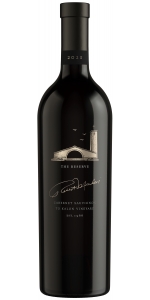
Robert Mondavi The Reserve Cabernet Sauvignon To Kalon Vineyard is made from 94% Cabernet Sauvignon, 3% Cabernet Franc, 3% Petit Verdot.
The story of Robert Mondavi Winery begins here, with the To Kalon Reserve. This tier represents the pinnacle of the wines produced by the winery. The 2021 vintage offers fresh black fruit with dark chocolate, dried herbs, and hints of vanilla and violet. Flavors of black plum and blackberry with red fruit and a hint of graphite on the finish. Elegant and plush with sweet, beautifully integrated tannins and a lengthy finish.
Review:
2021 Robert Mondavi The Reserve To Kalon Vineyard Cabernet Sauvignon is a beautifully crafted wine with impressive intensity, depth, and a balanced structure that carries the day. From the To Kalon Vineyard in Oakville, the portion owned by Constellation, comes this blend of 94% Cabernet Sauvignon, 3% Cabernet Franc, and 3% Petit Verdot. Pure blackberry fruit, cassis, graphite, and violet aromas leap from the glass, nuanced by fragrant, toasty new cedar wood. Full-bodied, framed by an array of plush dark black fruit notes, currants, crème de cassis, and polished tannins that are firm and elongated, with ironstone mineral accents. Dynamic in its length and texture, it is utterly intriguing, with a beckoning quality that lingers after each sip. You want to know precisely where this wine is going—demanding your attention.
- Decanter 98 Points
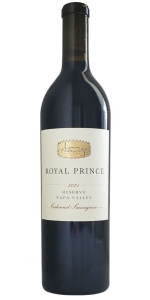
Big, bold and racy, this Cabernet Sauvignon has a dense purple, almost opaque hue and offers up an electrifying bouquet dark red, blue and black fruits with notes of tobacco leaf, graphite and spicy oak. Opulent and layered it flexes its power but is framed by refreshing acidity with silky, sweet tannins. The 2021 displays loads of potential for being enjoyed in its youth, while also rewarding patience over the following decade. For bang for your buck, you can’t find better, or as Robb Report states, “Royal Prince is making the best wines you can buy for your money right now.”
Review:
Made by Maayan Koschitzky (of Atelier Philippe Melka), the 2021 Cabernet Sauvignon Reserve is all varietal brought up in French oak. Its deeper ruby/plum hue is followed by a classic Cabernet Sauvignon nose of cassis and black cherries supported by plenty of sappy herbs, graphite, and obvious minerality. This medium-bodied, lively, elegant Cabernet has ripe, building tannins, a good spine of acidity, and outstanding length. Drink this classic, impeccably made 2021 over the coming 10–12 years, and I wouldn’t be surprised to see it evolve longer. (Jeb Dunnuck)
-Jeb Dunnuck 93+ Points
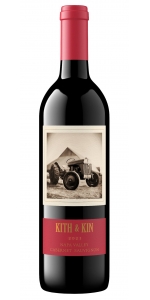
Round Pond Estate 'Kith & Kin' Cabernet Sauvignon is made with 85% Cabernet Sauvignon, 9% Petit Verdot, 6% Malbec.
Bursting with bright aromatics of cassis and crushed raspberry, they are balanced with an earthy hint of dried sage and clove. The wine offers an energetic play between acid and tannin on the front palate with notes of blackberry and violet with a touch of cocoa on the mid-palate. Fine-grained tannins follow throughout each sip leading to a long, rich, finish.
Review:
Big and rich, this deeply saturated and mouth-filling wine overflows with ripe, plump blueberries, black currants and black cherries accented with mint and dark chocolate. It’s delicious enough to drink young.
-Wine Enthusiast 92 Points
DuMOL 'Chloe' Chardonnay is made from 100 percent Chardonnay.
Our first vintage of Chloe was 2000, and although the vineyard mix has changed over the years, the wine has always focused on the central Russian River Valley district to represent the richest side of DuMOL Chardonnay. The wine has lower acidity than our coastal wines, making it more approachable in its youth, and the flavors focus more on orchard fruits than citrus. The neighboring El Diablo and Flora Marie vineyards sit overlooking the river on gravelly loam soils and provide the wine's deep fruit generosity. These are the first vineyards we harvest each year as the lean soils really advance their crop’s ripening. We offset this fruit richness with grapes from our Green Valley Bressay Estate, which overflow with tense structure and coastal acidity. It’s a seamless combination that produces a thrilling result, and Chloe is the first of our designate Chardonnays you should open each vintage.
The wine’s aromas and flavors are akin to peach, apricot, oatmeal and anise. Fresh thyme and honey notes combine with tangerine and lemon curd. It’s a deeply textural and expansive wine that gently glides along the palate. Lively acidity and spicy notes of ginger and white pepper provide lift and energy to the finish. A beautiful, layered, and richer style to enjoy soon after release. Drink between late-2024 and 2029 and serve no cooler than 55º F.
Review:
A Central Russian River Blend, the 2022 Chardonnay Chloe is a bright yellow hue and captures a wide spectrum of citrus with notes of orange, Meyer lemon, fresh pineapple, toasted spice, and a hint of almond through the mid-palate as well as a nice lift of citrus on the finish. It’s a beautiful wine offering a richer tone through the range. Drink 2024-2034.
-Jeb Dunnuck 96 Points
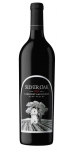
Silver Oak Cellars Napa Valley Cabernet Sauvignon is made from 81.6% Cabernet Sauvignon, 14.8% Merlot, 1.8% Petit Verdot, 1.4% Cabernet Franc, 0.4% Malbec.
Ruby in color, the 2020 Silver Oak Napa Valley Cabernet Sauvignon is a harmony of black and blue fruit notes that dance delicately on the palate. Plum and blueberry intertwine with whispers of baking spices, creating a tapestry of flavors that unfold in layers of complexity. On the palate, it is a study in elegance—smooth and effortlessly refined. Silky tannins provide structure without imposing, ensuring a seamless journey from the first sip to the last.
Review:
A super creamy, delicious and detailed red with oodles of red fruit, silky tannins and a full body. It tastes pure, fresh, almost delicate, offering raspberries, cherry cream, blueberries, cafe au lait and subtle oak toast on the palate. A gentle, layered, pretty wine that seems not at all affected by the wildfire smoke that year.
-James Suckling 95 Points



