
" We don't sell the wine without touching the vine "
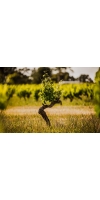
Torbreck is on a quest to become one of the world’s great wine marques.
A critical part of this journey is remaining unwaveringly true to our core vision and not being diverted by trends and fashions.
SINCE 1994 TORBRECK HAS BEEN COMMITTED TO CREATING EXCEPTIONAL RHONE STYLE RED AND WHITE WINES REFLECTING THE VERY BEST VINEYARDS IN AUSTRALIA’S FAMOUS BAROSSA.
Provenance is everything to us. We believe the Barossa is the most exciting place to make wine in the world, with its gentle Mediterranean climate and 175 years of Silesian and English commitment to winemaking and grape-growing.
There is a European sense of tradition here that means vines planted in the 1840s – many of them Rhone varieties such as Shiraz, Grenache, Mourvédre – still thrive and bear fruit of unique concentration and flavour.
Torbreck pays tribute to these vineyards with minimal intervention, creating wines of richness, structure and length that age gracefully.
The multi-generational growers, whose descendants arrived here nearly two centuries ago, are the backbone of Torbreck’s winemaking aspirations. Without their knowledge of the seasons and the soil, we would not have such a precious resource of fruit to work with.
Torbreck has also been fortunate to have the opportunity to invest in the protection of some of the Barossa’s most precious vineyards, after accepting fruit from them over many years. The historic Hillside Vineyard at Lyndoch, The Laird Vineyard in the sub-region of Marananga and the Greenock Keller Vineyard owned by the Schultz family, are all now under the custodianship of Torbreck.
In 2008 this long-term commitment to the Barossa was cemented when we completed our winery and bottling line, enabling us to achieve maximum quality control through 100% estate vinification, maturation and packaging.
Our latest development was the 2017 expansion of our original settler’s cottage cellar door to become an international guest centre, where we are proud to welcome our many friends and collectors from the USA, Asia, Europe and Australia.
Torbreck has achieved a lot in less than three decades, but the journey is a long way from complete. In fact we remind ourselves every day that the best Barossa grapes are yet to be picked and the finest Torbreck wines are yet to be made.
We invite you to join us on this road to perfection.
-Pete Kight, Proprietor
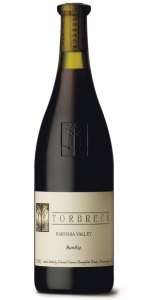
Torbreck Runrig Shiraz - Viognier is made from 98% Shiraz, 2% Viognier.
RunRig often draws comparison with the beautifully fragrant and tautly structured wines from the steep slopes of the Northern Rhône Valley’s Appellation of Côte Rôtie. Shiraz from old dry grown Barossa vineyards is blended with Viognier, complementing the strengths and complexities of these individual parcels of fruit, whilst giving the resulting wine a further dimension.
The Highland clans used a ‘RunRig’ system to distribute land amongst their clansmen in a series of widely dispersed holdings. The emphasis was not on any one farm but rather the communal element of the whole. Shiraz from old dry grown vineyards is blended with Viognier, complementing the strengths and complexities of these individual parcels of fruit, whilst giving the resulting wine a further dimension.
Review:
Tasting the RunRig beside the Descendant is always a wise move, in order to gain some contextual understanding of how they are similar and, perhaps more importantly, how they differ. This 2020 RunRig was sourced from six different vineyards across Barossa (in Lyndoch, Rowland Flat, Moppa, Ebenezer, Light Pass and Greenock) and includes a 2% “dosage” (as winemaker Ian Hongell described it) of Viognier. Matured for 30 months in a combination of new French oak (50%) and second and third fill barrels, the wine rests on its lees for that time. The lower percentage of Viognier here is a seductive and effective thing, adding just enough slick and polish to make this the sybaritic wine that it is, but little enough to allow the grunt, grit and muscle of the Shiraz from all those glorious locations to shine through. Despite the very long time in oak, the wine is balanced and excellent, big in almost every possible way but with an undeniable sense of class and length of flavor. Executed with detail and precision, this wine is clearly defined in its expression of house style
-Wine Advocate 97+ Points
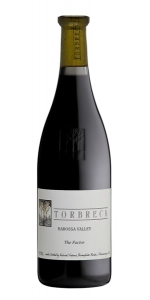
The Factor is predominantly from the Gomersal and Marananga sub-regions of the Barossa, providing dense texture and richness to the palate with subtle notes of olive tapenade, saddle leather and minerals. Ripe aromas of plum and wild blackberries, olive, pepper and spice are all supported by a dark core of espresso roast, ripe blackberries and saltbush. Brooding and densely packed, this lavish wine has ample generosity to cellar for many years, where it will slowly unravel.
Review:
Offers a dense, powerful mix of violet, bittersweet chocolate and sandalwood-infused morello cherries in syrup. Blueberry, blackberry and date-nut bread flavors are plump on a frame of polished and toothsome tannins. Clove and Saigon cinnamon notes linger, with a powerful crescendo on the finish. Shiraz.
Wine Spectator 96 Points
Robert Parker's Wine Advocate 96+ Points
Every now and then, in life and in wine, we are presented with unique opportunities to express ourselves and create something truly remarkable.
When rare opportunities arise, we need to capture, nurture and develop them so that their potential is fulfilled. So when Torbreck was given the opportunity to work with one of the most famous vineyards in the Barossa Valley, it became almost inevitable that the resulting wine would be truly remarkable.
In 2003, Torbreck growers and fourth generation descendants of the Seppelt family, Malcolm and Joylene Seppelt, asked our winemakers to create for them a small batch of Shiraz from their old Gnadenfrei vineyard in the sub-region of Marananga.
Planted in 1958, the five acre vineyard is traditionally dry grown and comes from an original Barossa clonal source. South facing, on the eastern side of a ridge separating the Seppeltsfield and Marananga appellations, these aged vines have been meticulously hand tended, traditionally farmed and pruned by a grower with a lifetime’s experience on Western Barossa soils of very dark, heavy clay loam over red friable clay. The resulting low yields of small, concentrated Shiraz berries make the vineyard the envy of all winemakers in the Barossa.
We looked longingly at the wine when it was returned to the Seppelts, knowing that it was the best we had ever made. In 2005 we convinced the Seppelts to sell Torbreck the fruit and The Laird was born. In 2013 Torbreck purchased the Gnadenfrei vineyard, securing The Laird’s reputation as one of the world’s great single vineyard Shiraz wines.
Torbreck is the name of a forest near Inverness, Scotland and you’ll find more than a passing nod to the Celts in our wine naming conventions. The Laird of the Estate in Scotland is the Lord of the Manor and master of all he surveys.
Review:
I poured the 2017 The Laird, set it aside and got about doing other jobs for 45 minutes or so, to give it some room to breathe. And it does breathe. It has its own pulse and beat and life, and it flexes and moves in the mouth. This is incredibly enveloping, with aromas reminiscent of campfire coals, charred eucalyptus, lamb fat, roasted beetroot, black tea and a prowling sort of countenance. In the mouth, the wine is bonded and cohesive and seamless, there are no gaps between anything, no space between fruit, oak and tannin; it all comes as one. While this is a singular wine, it is so big and concentrated that it needs no accompaniment other than some fresh air and a good mate. It's denser than osmium and is impenetrable at this stage.
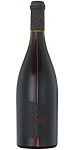
Johann Michel Cornas Cuvee Jana is 100% Syrah.
Black raspberry aromas, licorice, sizzled bacon and smoke. Elegant and pure with depth and well-integrated tannins.
Jana is the name of Johann and Emmanuelle's daughter.
Manual harvest, selection of the grapes from the "Chaillot" parcel, full clusters, fermentation in tanks for 3 weeks, daily remontage and pigeage. Malolactic fermentation in oak barrels and aging on the lees for 12-18 months in barrels (new old barrels) The average age of the vines is 11 years. Yield: 25 hl/ha
Review:
"Dark purple. Highly perfumed, oak-spiced black and blue fruits, incense, vanilla and potpourri on the hugely perfumed nose, along with hints of licorice, smoked meat and mocha. Stains the palate with concentrated, spice-laced blueberry, cassis, cherry-vanilla and espresso flavors that turn sweeter as the wine opens up. Broad, polished tannins add shape to a strikingly long, smoke- and spice-driven finish that strongly echoes the floral and blue fruit notes. - Josh Raynolds"
- Antonio Galloni's Vinous (December 2022), 97 pts
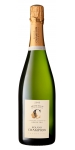
Roland Champion Champagne Blanc de Blancs Grand Cru Vintage Brut Grand Eclat is 100% Grand Cru Chardonnay from the chalky soils of Chouilly.
This Champagne is full of elegance and finesse. Very complex nose, with a bouquet of aromas dominated by honey, brioche and notes of dried fruits, hazelnuts and sweets. Perfectly matured.



