
" We don't sell the wine without touching the vine "

Torrontes is a white wine grape variety from Argentina that includes three varieties. The most widely planted is Torrontés Riojano, which has been noted for creating superb wines. This variation is used mainly for Argentine wines with the name Torrontes. The Torrontés Sanjuanino variation generates large bundles of pale grapes, while the Torrontes Mendocino produces small bunches of grapes that are darker in color. A red wine grape variety called Torrontes is also available, but it goes under the name of Tarrantes and Turrundos. The grape variety produces nice and crisp wines that are acidic, aromatic and include a nice velvety texture. Torrontes wine includes fresh peach and apricot fruit flavors, and is ideal for early drinking. These wines tend to have quiet spice aromas and floral scents. The quality and taste of the wine depends on the winemaking process and the outcome is mainly due to the skill of the maker. The taste of Torrontes wines is said to be similar to Muscat, however, some wine experts assert that the taste also closely resembles Gewurztraminer. The wine should be consumed a year after it is created because the wine typically does not age well.
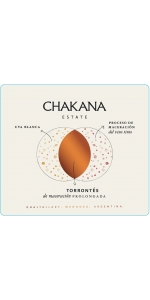
Chakana Singular Torrontes de Maceracion Prolongada is 100% Torrontes.
Deep, orange color.
Complex nose, notes of white flowers, peaches, evolution and skins aromas. Nice texture, good structure, final minerality, perfectly balanced by good freshness.
Chakana is the name of the Southern Cross constellation. Its rotation in the sky throughout the year made it an effective agricultural calendar for the ancient Andean people.
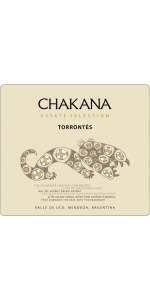
The "yaguarete" (jaguar) on the label was known by the ancient Andean people as the "lord of the starred night"; the wildest known animal.
Chakana is the name of the Southern Cross constellation. Its rotation in the sky throughout the year made it an effective agricultural calendar for the ancient Andean people.
Estate Torrontes is from Chakana's Gualtallary vineyard (5,300 ft elevation).
The wine shows the typical aromas of Torrontes (white flowers, lychee, peach) balanced by a refreshing acidity. Mineral texture due do the rocky soil of the vineyard. Elegant, dry and clean finish.
Fermentation with indigenous yeasts in French oak barrels. Aged 4 months. Pairs with crab cakes and seafood pasta.
The "yaguarete" (jaguar) on the label was known by the ancient Andean people as the "lord of the starred night"; the wildest known animal.
Chakana is the name of the Southern Cross constellation. Its rotation in the sky throughout the year made it an effective agricultural calendar for the ancient Andean people.
Estate Torrontes is from Chakana's Gualtallary vineyard (5,300 ft elevation).
The wine shows the typical aromas of Torrontes (white flowers, lychee, peach) balanced by a refreshing acidity. Mineral texture due do the rocky soil of the vineyard. Elegant, dry and clean finish.
Fermentation with indigenous yeasts in French oak barrels. Aged 4 months. Pairs with crab cakes and seafood pasta.

All older vintage wines have been purchased from a single collectors cellar. Pictures can be requested before shipment.
The first kosher Amarone! Amarone undergoes a very unique process prior to fermentation. In late October, grapes are harvested and allowed to dry for around 120 days. Known as the “appassimento” technique, the drying process traditionally occurs on straw mats or in temperature controlled drying chambers. This process helps concentrate the juices and increases skin contact, giving the wine a very ripe, full-bodied flavor. There is no other wine like it! The unique flavors of Amarone, including dark chocolate, coffee, dark fruit and light notes of cherry, pair beautifully with steak, stews, and bold cheeses.
The color is deep bright, ruby red with a violet edge. Powerful bouquet and intense aromas of cherry, ripe plum, toasted almond, and vanilla. A full bodied wine with round and rich flavor.



