
" We don't sell the wine without touching the vine "
We started in 1993 with modest ambitions and first planted five acres of pinot noir at our original little vineyard at Gibbston, Central Otago in the deep south of New Zealand.
At the same time, our friend Roger Donaldson planted the land next door, hence the name Two Paddocks. (Roger's paddock proved to be a slow starter, which meant we had to go it on our own; however we kept the title. His brand, Sleeping Dogs, takes its name from the first film we made together.)
I wanted to produce a good pinot noir that would, at the very least, be enjoyed by my family and friends. Frankly, my friends will pretty much drink anything, so this didn't seem too hard. To our great surprise, our first vintage in 1997 was much better than we hoped, in spite of a difficult growing season. 1998 was a more distinguished vintage, and in 1999 we were astounded to produce a pinot that was, we thought, world class. Here was a wine of considerable complexity with an amazing nose, delicious fruit and a good lengthy finish (from clones 10/5 and 5). So rewarding has this vineyard been over the years (and so unpromising as a sheep paddock) that we planted another 5 acres of Burgundian clones there in 2008 bringing the total acreage at The First Paddock, Gibbston, to 5 hectares.
Since that original release in 1997, with each successive year we have produced a pinot noir (sometimes 4 or 5 pinot noirs) that have done us proud and are, to be frank, too good to be wasted on our friends. They still somehow manage to bludge a lot off us, and that, combined with The Proprietor's generous thirst, accounts for the occasional scarcity of Two Paddocks Pinot.
In short, we have become outrageously ambitious - we want to produce year after year, the world's best pinot noir.
Our original vineyard has now been augmented by three other small vineyards, superbly sited in the Alexandra and Bannockburn districts of Central Otago.
The Last Chance vineyard is 7-acres in size on a very beautiful terrace above the Earnscleugh Valley, and sits under some very striking rocky headlands. We planted it with Burgundian pinot vines (5,6,115) in 1998. Two Paddocks "The Last Chance" Pinot Noir is from this single vineyard (first vintage 2002). "The Last Chance" name comes from an old gold miners watercourse that runs through the yard, dating from the 1860s.
In 2000 we acquired Red Bank, a lovely 130 acre small farm nestled between two dramatic rock escarpments. It has become our main vineyard, as we call it rather grandly 'Headquarters', since we have our offices, staff quarters and a splendid Club House as well there. We have planted more Burgundian pinot clones (777,667 and 115 primarily), and the pinot from this, our biggest vineyard, usually forms the backbone of our premium "Two Paddocks Pinot Noir", a wine to die for year after year. (NOTE: Management prefer you not to die for our wine, as we enjoy your custom year after year). We also grow our Riesling here.
Red Bank is, incidentally, more than a vineyard however. It was some years ago, a research station for Crop & Food and we maintain, to this day, many of the medicinal and culinary herbs that were planted then (including lavender, saffron, Echinacea as well as apricots, cherries, apples, pears, truffles etc).
In January 2014, we acquired our fourth small vineyard block, this one in Bannockburn. This a beautifully positioned vineyard, that has been tended with immense dedication and attention to detail and we could not be more delighted to include this iconic site into the Two Paddocks fold. Situated at the end of Felton Road, it is a 6-hectare block entirely devoted to pinot noir and was established in 1999 by Denny Downie and Jane Gill. It lies at the foot of Mount Difficulty and its neighbours are Felton Road, Terra Sancta and Akarua vineyards.
This puts us in the unique position of being the only Central Otago winery with a footprint in all three of Central Otagos great valleys, by owning vineyards in Gibbston, the Alexandra Basin and now the Cromwell Basin. We believe it demonstrates our faith and confidence in the future of New Zealand wine, Central Otago and in particular, Central Otago Pinot Noir.
No products found
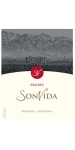
SonVida Malbec is made from 95% Malbec and 5% Cabernet Sauvignon
SonVida Malbec is a single vineyard wine, the supreme expression of the award-winning zone of Altamira, in Argentina's Uco Valley. Altamira's smooth tannins shine through, and the combination of acidity and minerality lead the wine to a long, integrated finish.
"The wine is proud to be ripe and generous. Aromas dominated by smokey mulberry and blueberry. It's plush and coats the palate with bramble, blueberry and liquorice and the scent of vanilla. Immediately muscular and broad-shouldered in the glass, with a savory note, perhaps tapenade, running through the dense palate with mint and dried herbs on the finish. The oak will integrate over time, mixing its spice with the warm spice of fruit. - Joe Fattorini - The Wine Show"
Sunny Summer with moderate nighttime temperatures, followed by an early Fall.
Grapes come from the Mendoza region, in the Paraje Altamira area.
YIELD: 35 Hl/HA
MACERATION: Total 25 days, first cold-soaked 5 days, 14 days fermentation at 24° C, plus 7 additional days. No filtration.
SonVida Malbec can be enjoyed on its own, and matches perfectly with meats, chicken, turkey and hard cheeses. It is enjoyed best in good company. ‘Would you like another glass?’ The answer, almost always, is ‘yes’.
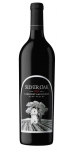
Silver Oak Cellars Napa Valley Cabernet Sauvignon is made from 81.6% Cabernet Sauvignon, 14.8% Merlot, 1.8% Petit Verdot, 1.4% Cabernet Franc, 0.4% Malbec.
Ruby in color, the 2020 Silver Oak Napa Valley Cabernet Sauvignon is a harmony of black and blue fruit notes that dance delicately on the palate. Plum and blueberry intertwine with whispers of baking spices, creating a tapestry of flavors that unfold in layers of complexity. On the palate, it is a study in elegance—smooth and effortlessly refined. Silky tannins provide structure without imposing, ensuring a seamless journey from the first sip to the last.
Review:
A super creamy, delicious and detailed red with oodles of red fruit, silky tannins and a full body. It tastes pure, fresh, almost delicate, offering raspberries, cherry cream, blueberries, cafe au lait and subtle oak toast on the palate. A gentle, layered, pretty wine that seems not at all affected by the wildfire smoke that year.
-James Suckling 95 Points



