
" We don't sell the wine without touching the vine "

| Vintage: | 1994 |
| Bottle Size: | 750 ml |
All older vintage wines have been purchased from a single collectors cellar. Pictures can be requested before shipment.
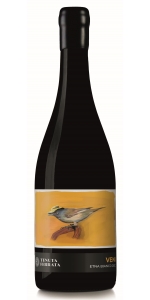
Ferrata Etna Bianco Veni is 100% Carricante
Straw yellow colored with hints of almonds, vanilla and ripe fruit notes on the nose. On the taste, it is very rich in savoriness and freshness.
No irrigation. Hand harvest at the end of october.
Selection of the best grapes made by hand.
Destemming and soft pressing into a pneumatic press (Extraction of the 60% of the Juice, Mosto Fiore).
60% of the juice was fermented in stainless steel tanks and 40% was fermented in French Oak barriques (no new oak, only second use barrels).
No ML Fermentation.
Batonnage in Oak.
Ageing in Oak and Stainless steel for 12-14 months, plus an additional 6 months minimum in the bottle.
Ideal with shellfish, raw fish or preparation with more intense flavors.
Also delicious with fresh and semi-matured cheeses.
Ferrata Etna Bianco Veni is 100% Carricante
Straw yellow colored with hints of almonds, vanilla and ripe fruit notes on the nose. On the taste, it is very rich in savoriness and freshness.
No irrigation. Hand harvest at the end of october.
Selection of the best grapes made by hand.
Destemming and soft pressing into a pneumatic press (Extraction of the 60% of the Juice, Mosto Fiore).
60% of the juice was fermented in stainless steel tanks and 40% was fermented in French Oak barriques (no new oak, only second use barrels).
No ML Fermentation.
Batonnage in Oak.
Ageing in Oak and Stainless steel for 12-14 months, plus an additional 6 months minimum in the bottle.
Ideal with shellfish, raw fish or preparation with more intense flavors.
Also delicious with fresh and semi-matured cheeses.
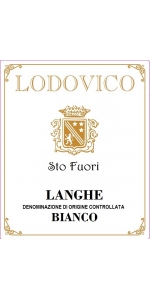
Lodovico Stofuori Timorasso Bianco is made from 100% Timorasso.
The name 'sto fuori' means that it is out of the Timorasso classic area ( that is south -east Piedmont) and also a little bit of ‘madness’ because to plant Timorasso in Langhe you must be Fuori ( italian expression to say a little mad).
Yellow straw color with notes of broom flowers, pear aroma and crushed stones.. Fresh in the mouth, tasty with lovely touches of mineral and grapefruit. Tangy acidity keeps it fresh and bright.
It’s a perfect wine to pair with fish, white meat with aromatic herbs and cheese where it reaches its elegance and fragrance.
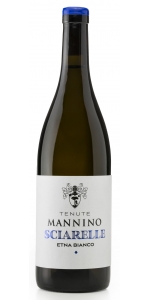
Mannino Contrada Sciarelle Etna Bianco is made with 100% Carricante
| Straw yellow with golden highlights. High intensity nose of citrus, peach and flint. Medium body and acidity with soft tannins. |
TA: 4.95 g/L
RS: 0.85 g/L
Very versatile pairing : Seafood, Fried Fish, White Meat, Cheeses, Apetizers.
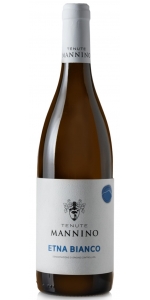
Tenute Mannino Etna Bianco Aurantica is made from 80% Carricante and 20% Catarratto.
Carricante and Catarratto collected at the volcano’s feet united in this blend that is appreciated in expressing all the strength and charm of Etna. It has a straw-yellow color with light golden reflections and a beautiful light. The nose is elegant with notes of citrus but also flint and ginger. The taste is very easy to drink and highlights the mineral component, well balanced in all its parts.
Pair with fish ceviche, appetizer, grilled fish and grilled vegetable. Also delicious with goat cheese.
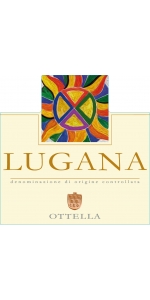
Ottella Lugana Bianco is produced in South Benedetto di Lugana. 100% Turbiano (clonal type of Trebbiano di Lugana)
The grapes are harvested exclusively from our own vineyards; harvesting is strictly manual in small 17kg-crates. Guyot, double arc training method.
A brief contact on the skin, stainless steel-controlled fermenting.
Intense straw yellow color with green tinges. Exotic notes, candied fruit and citrus, warm and very deep on the nose. Widespread expressive finesse; to the palate the texture is rich and persistant.
Pairs best with fish-based plates, soup, pasta or rice, white meat.
Opus One Overture 2022 is in stock and ready to ship.
Beginning in 1993 and following in the tradition of great Bordeaux estates, Opus One created a fine second wine called Overture. Every acre of the estate vineyard is meticulously farmed with the attention to detail and singular focus required to produce Opus One. This scrutiny carries through the blending process and certain lots will not be included in the final Opus One blend. Yet, when these lots are afforded additional time in barrel along with the added flexibility of blending across multiple vintages, the final wine achieves a remarkable elegance and complexity.
Overture 2022 captivates you from the start. Its aromatic profile weaves a complex tapestry of bright cherry, fresh forest berries, and cut rose stems interwoven with delicate scents of violets, toasted almond, and anise. Blackberry, blueberry, and wild cherry take the lead on the palate with a lively acidity that adds a vibrant edge. The finish is long and rounded, with a touch of mocha and black tea that showcase the wine’s depth. This expression of selected parcels from our estate vineyards will age gracefully for years to come.
Marie Baron Sancerre Blanc is made from 100 percent Sauvignon Blanc.
Sancerre is one of the most iconic white wine appellations in the world, located in the eastern Loire Valley on steep hillsides overlooking the Loire River. The appellation's Kimmeridgian marl, limestone, and flint soils produce Sauvignon Blanc of exceptional minerality and elegance.
This wine shows a bright, pale straw color with aromas of gooseberry, citrus, and white flowers, underscored by a characteristic chalky minerality. On the palate, it is vibrant and refreshing with crisp acidity, flavors of lime and green apple, and a clean, lingering finish.
Classic pairing with fresh goat cheese (especially Crottin de Chavignol), oysters, grilled fish, or asparagus.



