
" We don't sell the wine without touching the vine "
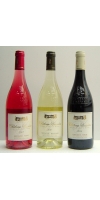
The Vessiere Estate
Chateau Vessièee is located in the south of Nimes. This eight generation old estate was founded in 1703 by Mrs Vessiere who then married Mr Teulon. Current owner Philippe Teulon obtained a degree in Enology before taking the property over in 1975 and continuing the family tradition of winemaking. He released his first vintage for private consumption in 1978, when his first son Pierre was born. In 1979, when his second son Vincent was born, he decided to sell the wines to the export market and now works with Belgium, Germany, Holland, Sweden, Russia, China, Thailand and America. Today, Philippe Teulon works with his wife and children in the family estate.
The Vessiere Vineyard
The vineyard spreads over 70 hectares of land (173 acres) and is farmed in "lutte raisonnee".
The vineyard in Costières de Nîmes is one of the oldest in France. The wine produced in this area were enjoyed by the Greeks and later by the Romans.
During the Ice Age, rocky alluvial deposits were formed in the Rhone Valley, which explains the exceptional soil found today in the region. The typical gravels (brownstone) result from the alternation of warm and cold periods during the Quaternary period. This composition allows rain water to penetrate the stones and sub soils, and provide the vines with a regular supply of water throughout the year, avoiding droughts during Summer.
The wines are always the result of carefully selected vines.
The grape varitetals for the reds and rosés are: Syrah, Grenache, Cinsault, Mourvedre and Carignan.
The grape varitetals for the whites are: Roussanne, White Grenache and Viognier.
No products found
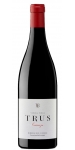
Trus Ribera del Duero Crianza is made from 100 percent Tempranillo.
Trus - an acronym for T-tierra (soil), R-roble (oak), U-uva (grape), S-sol (sun) - aims to reflect the uniqueness of each vintage, the aging potential of the wine in the bottle over the years.
Trus takes its roots in Palacios Vinos de Finca, the estate that was founded in 1999, then purchased by Javier Palacios who decided to focus on producing wines that express the purity and typicity of the Ribera terroirs.
The estate vineyards are located in Piñel de abajo, Pesquera de Duero, Quintanilla de Arriba. The winery also partners with winegrowers in Moradillo, Roa, Nava, Peñaranda or Baños de Valdearados. The clay-limestone soils of the high-altitude vineyards define the intense and complex personality of the wines. That is why Trus wines can be defined as classic, because an avant-garde look is the one that is directed towards the soil, preserving a typicity that is marked from its deepest roots.
Trus Crianza reveals a clean and bright cherry color with Burgundian tones at the rim. The nose is very intense and complex, offering ripe black fruits and liquorice aromas, toasty and vanilla nuances, spices and balsamic notes. The wine is tasty and unctuous on the palate, a perfect harmony between acidity and alcohol. Fresh and friendly mouthfeel, the ripe and soft tannins provide structure and great length. Long finish, ripe fruit aftertaste with a smoky and spicy finish.
Review:
"A plush and fabulous expression of variety and provenance with well-integrated alcohol, tannin and acidity. Will continue for several years and mellow. Be warned – one glass will be quickly followed by the next."
- Decanter World Wine Awards 2021, 96 points - GOLD MEDAL
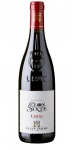
Alain Jaume Domaine du Clos de Sixte Lirac is made from 50% Grenache, 35% Syrah, 15% Mourvedre
An intense red garnet color. On the nose, aromas of red and black ripe fruit (kirsch and wild blackberry). The mouth is full, with aromas of blackcurrant liqueur and spice. Tannins are both harmonious and elegant thanks to the fleshiness of the wine. Hints of licorice and vanilla on the finish, which gives the wine length and complexity.
Soil type LIRAC vineyard is facing Chateauneuf du Pape, opposite side of the Rhône river. As showed by the picture and following geologist George Truc, soils are almost similar in both side. They are marked by the violence wrought by the Rhone river. It consists of a layer of marine molasses of the Miocene period covered by alpine alluvium. The presence of a great number of rounded stones known as "galets" in the earth is evidence of the time when the Rhone, then a torrent, tore fragments of rock from the Alps and deposited them on the plain. LIRAC is one of the up-coming best area from the southern Rhône valley, as it delivers outstanding wines. Winemaking & ageing Traditional wine-making in stainless still vats. Hand sorted bunches, crushed and destemmed grapes. Fermentation temperature : 30°C. 18 days of vatting with pigeages.



