
" We don't sell the wine without touching the vine "
Viura is a white grape variety also known as Macabeo. In Rioja, the name Viura is used. While Spain is the original origin of Viura and is used in Riojas, Malvasia, Garancha Blanca, and Parellada, the grape can also be found throughout Southern France as well, where it is known as Maccabeu. Viura is mostly used in sparkling wines, with dry and sweet characteristics. Viura allows for fragrant floral notes and quite crisp (grapefruit) on the palate when picked early. If harvested later, the Viura juice is fuller bodied with notes of honey and nut. Viura is extremely popular in Catalonia’s Cava sparkling wines and is the main grape type in Rioja’s white wines. In France, Viura is used in white wines and sparklings of the Languedoc-Roussillon region, such as Corbieres, Minervois, Banyuls, and Maury. Viura is used mainly as a blending agent there. Viura is highly impervious to oxidation due to the high content of Resveratrol. This factor, combined with Rioja’s tradition of blending a certain amount of white grapes to their red wines, makes Viura an ideal component.
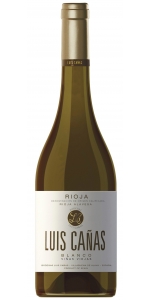
Luis Canas Rioja Blanco is made from 90% Viura and 10% Malvasia (60+ years old vines)
Barrel fermented for 3.5 months in new French oak barrels.
Alcohol: 13,5º
Total acidity: 6,5 g./l.
Volatile acidity: 0,25 g./l.
PH: 3,40
Free SO2: 25 mg./l.
Grapes harvested in small boxes to be selected manually on the table, bunch by bunch.
Beautiful golden yellow, with bright lemony highly-luminous reflections. The nose is fine, with great elegance, combined with floral and fruity tones.
The palate is dry with a crisp acidity that gives its freshness and vivacity, a structured and tasty finish of ripe fruit.
We recommend that you taste it at 8°C.
It is appropriate to accompany shellfish, crustaceans and grilled white fish or fish stews. It also blends elegantly with rice, soft cheeses, blue cheeses, all kinds of mushrooms and fresh fruit.
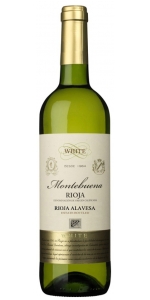
Montebuena Blanco is made from 80% Viura and 20% Tempranillo Blanco.
What truly sets Montebuena apart is its unique position where the Ebro river is closest to the Sierra Cantabria mountains, creating a blend of Mediterranean and Continental climates that prevents an excess of rain and extreme cold. In addition, the shallow, calcareous soil limits the yield of the harvest and the size of the grapes while increasing the volume of the skins, resulting in deeper color and a greater concentration of flavor.
Montebuena Blanco is straw yellow colored, translucent with greyish hues at the edges. Dominant white fruit aromas of apple and ripe banana on the nose with citrus notes in the background. Fresh and intense on the palate, although the acidity gradually smoothes out as the wine passes through the mouth and gives way to sweetness combined with a slightly bitter note and silky feel that balances the first sensation.
Fresh salads and vegetables, grilled fish, young cheeses, seafood and shellfish.
Montebuena Blanco is made from 80% Viura and 20% Tempranillo Blanco.
What truly sets Montebuena apart is its unique position where the Ebro river is closest to the Sierra Cantabria mountains, creating a blend of Mediterranean and Continental climates that prevents an excess of rain and extreme cold. In addition, the shallow, calcareous soil limits the yield of the harvest and the size of the grapes while increasing the volume of the skins, resulting in deeper color and a greater concentration of flavor.
Montebuena Blanco is straw yellow colored, translucent with greyish hues at the edges. Dominant white fruit aromas of apple and ripe banana on the nose with citrus notes in the background. Fresh and intense on the palate, although the acidity gradually smoothes out as the wine passes through the mouth and gives way to sweetness combined with a slightly bitter note and silky feel that balances the first sensation.
Fresh salads and vegetables, grilled fish, young cheeses, seafood and shellfish.
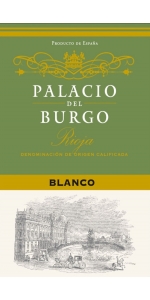
Palacio del Burgo Rioja Blanco is made from 100% Viura.
The wine shows a brilliant pale yellow color. The nose is elegant and very fruity, with straw and pineapple notes. The taste is intense, being extremely fruity with fresh balanced acidity.
Palacio del Burgo White Wine has been created to accompany all kinds of meals and be the perfect glass of wine to illuminate those memorable low light encounters. This wine is the product of the winemaker's efforts to highlight the fruit. The structure and mouth feel of the wine compliment and balance the fruit.
Enjoy it with white fish dishes and seafood.
Klipsun Cabernet Sauvignon Red Mountain is made from 84% Cabernet Sauvignon, 4% Merlot, 4% Malbec and 8% Syrah.
The 2017 vintage started out with a cool, wet winter, with significantly above average snowfall in eastern Washington. Red Mountain had a 24% increase in rainfall in 2017 over the 10 year average. Going into spring, the cool trend continued. As a result, bud break at Klipsun was behind the historical average and significantly behind the most recent warm vintages of 2013 2016. Bloom was also slightly delayed. Because of the cool weather, set was lighter than usual which translated into significantly less fruit in 2017.
The early part of the summer saw average temperatures followed by above average temperatures in July and August. As a result, he at accumulation was a bit above average for the season, despite the cool start. And because of the smaller than normal yield, harvest began right on schedule, perhaps even a bit early for some of the whites. In the second half of September, when Klipsun traditionally harvests all the reds, the temperatures cooled considerably, which delayed ripening. This allowed for luxurious amounts of hang time without the threat of increased sugar accumulation, stretching harvest into the first week of October. A s a result, all fruit going into the 2017 Klipsun Cabernet Sauvignon could be picked at perfect sugars levels with great fruit maturity and flavors. Overall, the quality of t he 2017 harvest is as high as the 2016. However, the style is slightly different. The 2017 wine has a firmer structure, more spice & mocha in the nose and will take a few mo re years than the 2016 to reach a perfect balance between fruit and tannin.
Review:
The 2017 Cabernet Sauvignon Red Mountain is composed of 84% Cabernet Sauvignon, 4% Merlot, 4% Malbec and 8% Syrah, which immediately emanates with aromas of dark roasted espresso bean, toasted oak, dried tobacco and dusty black fruit tones of cassis, currant and blackberries covered in dark cocoa powder. Full-bodied, generous in complexity and still tight in the mouth, the wine unpacks layers of cedar and vanilla tones with dusty purple flowers and bitter dark chocolate across the mid-palate, giving way to fine-grained tannins that will loosen with time. As the wine sits on the palate, the 100% French oak regimen is on full display for all to see. The wine lingering long and continues to evolve in the mouth, ending with a drying finish that highlights the oak and terroir. It’s still a baby, and I would keep it in the cellar for another few years before popping the cork—this will effortlessly coast for more than a decade. The 2017 vintage marks the second release of this wine, with 6,300 bottles produced. It comes from its namesake vineyard, first planted in 1984 on Red Mountain. I’m keeping my eye on this producer. I’m impressed, and even though the oak may be a bit much at the moment, it's still delicious. - Wine Advocate 94+ Points
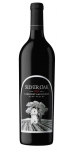
Silver Oak Cellars Napa Valley Cabernet Sauvignon is made from 76.61% Cabernet Sauvignon, 18.13% Merlot, 2.56% Cabernet Franc, 2.32% Petit Verdot, 0.38% Malbec.
Expressive and lively on the nose, the 2019 Silver Oak Napa Valley Cabernet Sauvignon has a black cherry and huckleberry aroma laced with dry floral notes. Integrated oak adds a light note of sweet nutmeg to this wine. Ruby in color, it has a fruit-forward entry with silky tannins that builds across the mid-palate and through a long and balanced finish. Structured while still approachable, this wine remains true to the signature Silver Oak winemaking style and will continue to improve through 2047 given proper cellaring conditions.
Review:
A beautifully compact wine that delivers complex and nuanced aromas of Bing cherry and black raspberry with tobacco, currant leaf, and cedarwood laced with dried sage. Cool raspberry, cherry, and blackberry fruit are perfectly represented, and the lengthy finish is crisp, lively, and energetic.
Decanter 96 Points



