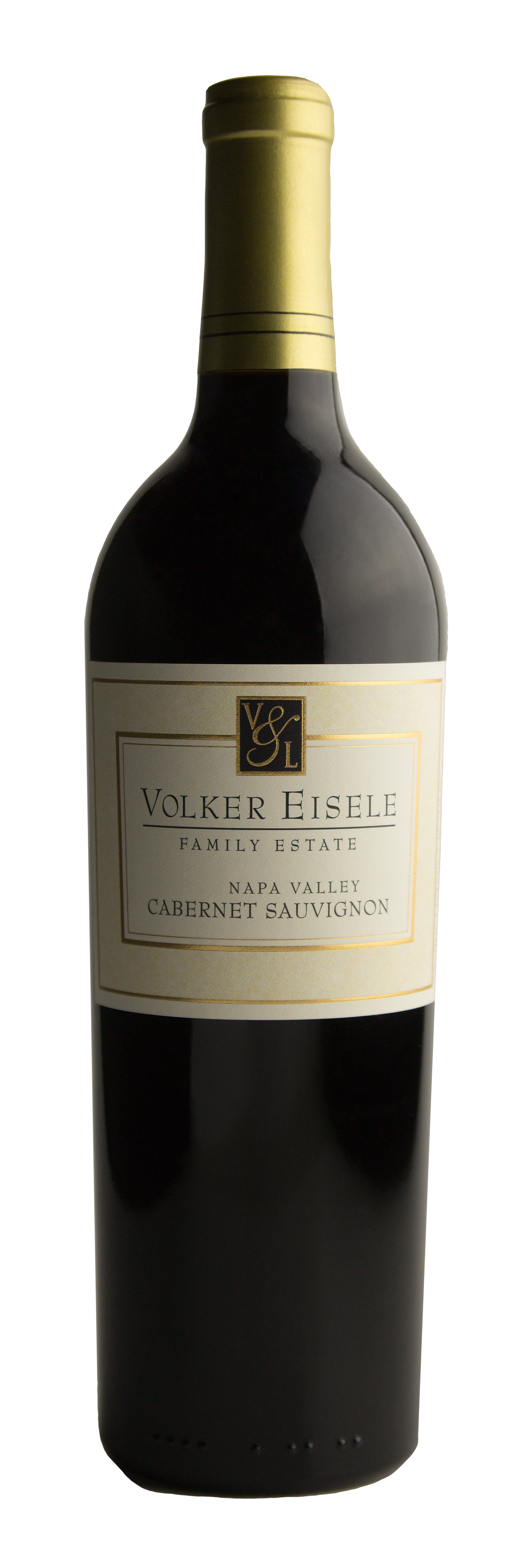
" We don't sell the wine without touching the vine "
| BUY MORE! SAVE MORE! | ||||||||||||||||||||
|
| Country: | United States |
| Regions: | California California (Napa) |
| Winery: | Volker Eisele Family Estate |
| Grape Type: | Cabernet Sauvignon |
| Organic: | Yes |
| Vintage: | 2018 |
| Bottle Size: | 750 ml |
Volker Eisele Cabernet Sauvignon Napa Valley is made from 75% Cabernet Sauvignon, 25% Merlot.
Volker Eisele Family Estate Cabernet Sauvignon is a blend of vineyard blocks from throughout the entire estate. Varying terrain, different clones, and different rootstocks produce a patchwork of flavor identities between the vineyard blocks and their resulting cuvees, brought together in a blend that is essentially a snapshot in time of a dynamic, ever-changing vineyard.
The 2015 Volker Eisele Family Estate Cabernet Sauvignon is a brilliant garnet color in the glass. The nose is extroverted and effusive with bright red aromas of ripe cherries and plums, with a touch of peach and hint of anise and white pepper. In the mouth, the wine shows excellent oak integration, with prominent flavors of juicy huckleberries, milk chocolate, and sweet barrel spices. The lengthy finish carries nutmeg, cinnamon, and vanilla through to the end. ~Molly Lippitt, Winemaker.
Volker Eisele Family Estate creates enticing wines from the Chiles Valley District of the Napa Valley. Organically farmed since 1974, the vineyard reflects the passion of the Eisele Family’s commitment to grow exceptional grapes and to produce elegant estate wines.
VINEYARD
Volker Eisele Family Estate is situated in the Chiles Valley District, a sub-appellation of the Napa Valley American Viticultural Area. Cloaked in frequent Pacific fog, and with elevations of 600-1200 feet, the Chiles Valley District is one of the cooler areas of the Napa Valley resulting in a long growing season. The valley’s perfect cabernet climate enhances the development of wines with subtle flavors, full body, and overall complexity.
The Estate’s sixty acres of vineyard grow at elevations of 900 to 1100 feet on east, west and south facing slopes as well as on the valley floor. Soils vary from clay-loam to shale. After purchase of the vineyard property, the Eisele’s began an extensive redevelopment and restoration of both the vineyard acreage and the riparian corridors. Presently 72% of the vineyard is planted in Cabernet Sauvignon, 12.5% Merlot, 10.5% Cabernet Franc, 3% Semillon and 2% Sauvignon Blanc. Seven different Cabernet clones have been incorporated to provide diversity of flavor.
Since 1974 the Eisele’s have enriched the vineyard soils through use of organic farming practices. No herbicides, pesticides or chemical fertilizers have been used. The vineyard is certified as organic by both the California Certified Organic Farmers and the California Department of Food and Agriculture. It has been set back from the property’s creeks to substantially increase riparian vegetation. Oaks and other native tree species have been planted on the creek banks to prevent erosion. Throughout the property creeks and associated riparian areas have been protected and enhanced.
HISTORY
The four hundred acre estate was originally part of the “Rancho Catacula” land grant, given to Joseph Ballinger Chiles in 1843 by the last Mexican governor of California. The Chiles family later sold a portion of their land to Francis Sievers, a German pioneer. In the 1870’s, Sievers founded Lomita’s Vineyard and Winery on the site. The original winery building, some of the tanks, and the original press still remain on the Estate. The oldest cabernet vines were planted by the Eisele’s in 1976 and continue to yield fruit of superb quality.
Hickinbotham Revivalist Merlot is made from 100 percent Merlot.
The Merlot for this red wine was sourced from vines planted in 1989 and 1976 at 220-245m altitude on a western facing aspect on the estate. During harvest, we hand-picked, de-stemmed, whole berry sorted, then 100% gently crushed. We then cold soaked, with native fermentation, and pumped over daily with a minimum of 21 days on skins. Basket pressed with light pressing included in free run, heavier pressings kept separate and not included, drained directly to barrel. The wine was racked and returned three times during maturation for 15 months, aged in fine-grain Bordeaux coopered barrels of which are approximately 25% new.
Review:
Deep ruby. Lush cherry-cola, blackberry and mocha qualities on the deeply perfumed nose, which is complemented by suggestions of candied rose and vanilla. In a round, generous style, offering sweet dark berry and fruitcake flavors that are supported by an undercurrent of juicy acidity. Pliant tannins frame an impressively long, sappy finish that strongly repeats the cherry and floral notes. 50% new French oak.
- Vinous 94 Points
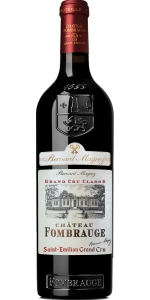
Fombrauge Saint Emilion is made from 96% Merlot and 4% Cabernet Franc.
Château Fombrauge 2020 has a dark red hue, intense fruit aromas and elegant tannins that offer a generous mouthfeel rarely seen in wine so young.
The nose reveals aromas of cherries, blackberries and raspberries, along with spicy notes.
On the palate, the wine i round, soft and silky. Its deep richness, matched with a nice freshness and a long and mellow finish, make it already a great Château Fombrauge, with a long ageing potential.
Chateau Fombrauge Saint-Emilion Grand Cru's food pairing
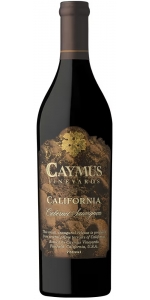
I feel this wine expresses the greatness of California and its hidden pockets where Cabernet can excel. The cold Pacific Ocean running the entire length of the state presents maritime influences – and with each small distance eastward the climate warms. Stony soils, south facing slopes and moderately warm conditions are the keys to producing dark, rich and good tasting Cabernet.
A small release from Caymus Vineyards, this wine is a California-appellation Cabernet Sauvignon – supple, dark and rich, bearing the signature hallmarks of Caymus. It is sourced from sites throughout the state which feature climatic conditions, soils and topography that are ideally suited to Cabernet. This project stems from excitement over California's diverse vineyard land, often in lesser-known areas, with the potential to produce exceptional Cabernet.
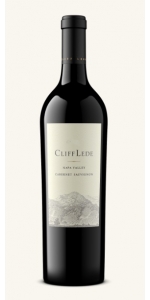
Clif Lede Cabernet Sauvignon Stags Leap is made from 82% Cabernet Sauvignon, 8% Merlot, 7% Cabernet Franc, 3% Petit Verdot.
Our Stags Leap District and Calistoga estate vineyards build the foundation of this wine with support from valued grower sites located in Oakville, Rutherford, and Howell Mountain. Composed of small batches from a variety of blocks of varying age, this wine represents a diverse range of carefully selected rootstocks and clones. Yields are maintained at sparse levels, with a focus on canopy management and vine balance. The resulting blend boasts a remarkable depth and complexity that is quintessential Napa Valley.
Grapes were picked in the darkness of the early morning hours. The freshly-harvested fruit immediately underwent rigorous selection by our three-tiered sorting process, which included our cutting-edge optical sorter. Whole berries were gently delivered by gravity to tank using our crane system, minimizing disruption of berry integrity. Cold soaks lasted approximately seven days, and fermentations were managed via a combination of délestage, pumpovers, and punchdowns. Extended maceration ranging from four to five weeks fine-tuned our tannin profiles, allowing us to perfect mouth feel and wine complexity. The wine was aged in French oak barrels, 48% of which were new, for twenty-one months.
Elegantly soft and lithe the 2021 coaxes the taster with warm dark chocolate and luscious black cherry aromas. More graphite, chocolate cake, crushed mulberries, and iron notes leap from the glass. The entry is filled with dark fruit flavors of cassis, blackberry, and blue berries and they’re all tinged with floral notes of jasmine and violets. The polished tannins along the finish feel Cashmere-like and beg the taster for another sip. – Christopher Tynan, Director of Winemaking
Review:
So silky and drinkable at the first sip, this well-concentrated wine feels tight and restrained with more tastes, holding its trove of black fruits, cedar, cinnamon and dark chocolate in a rich blanket of extra-fine tannins. Its complexity, layering and lingering finish are something special.
-Wine Enthusiast 94 Points
-150x300.jpg "Haut-Marbuzet Saint Estephe 2019")
The characteristics of Haut-Marbuzet are mostly defined by its wine-producing methods.
The grapes are harvested once they are very ripe, then destalked. The maceration time is very long. Owner Henri Duboscq remains committed to using traditional materials, like concrete vats. They preserve the natural yeasts of past wines. Henri Duboscq says that he likes the idea that each year, the new yeasts revive the old ones, and the old influence the new.
The Duboscq were among the first to harvest overripe grapes. The wine is then matured in new oak barrels. Here, too, Haut-Marbuzet was among the first to use this production technique. All of these practices complete the characteristics of the terroir. They influence the color of the wine, its structure, its body, and finish.
Henri Duboscq often speaks of his love of unctuous wines, feminine wines that have fine, woody scents, with soft and ripe tannins. From this point of view, the wine of Haut-Marbuzet clearly stands apart from the classical wine of Saint Estèphe which is more virile, austere and astringent.
Tasting notes
Haut-Marbuzet shows a dark and intense color and a delicous bouquet of red and black fruit aromas, violet, pepper and coconut nuances. On the palate, the wine is rich and unctuous, with fine and peppery tannins that support the solid and fresh texture.
Review:
"Black and blue fruit, walnuts, gravy, vanilla, praline and cigar box on the nose. Full-bodied with fine tannins. Balanced, layered and polished with a fleshy texture. Harmonious, with elegance and intensity. Beautiful finish. Wow. Drink from 2025."
- James Suckling (January 2022), 96 pts
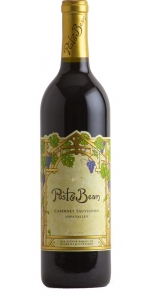
Far Niente Post & Beam Napa Cabernet Sauvignon is made from 100 percent Napa Cabernet Sauvignon.
At Post & Beam, we make wines of pure expression, built on generations of hands-on experience producing acclaimed Cabernet Sauvignon and Chardonnay. Backed by the expertise and legacy of Far Niente Wine Estates, we use time-honored techniques to make exceptional wines that can be enjoyed upon release. Our expertise of winemaking at the highest level has enabled us to create wines that seamlessly unite tradition and modernity.
The 2022 Post & Beam Cabernet Sauvignon displays seductive aromas of briar patch and plum sauce on the nose before leading onto a palate that is well-structured yet elegant. Round and textured on the palate, the entry is layered with cassis and blackberry. The finish exudes vanilla, mocha, and cocoa flavors alongside resolved tannins.
Review:
Richly appointed, with dark blue and purple fruit and a plush mouthfeel. Notes of plum liqueur and freshly roasted coffee grace the palate as dark chocolate and anise entwine with the wine's well-defined structure and satin-lined tannins. Spiced red tea and sandalwood engage with more chocolate on the finish.
-Tasting Panel 95 Points
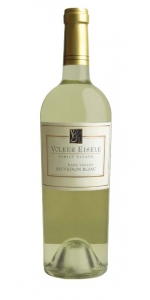
The 2023 Sauvignon Blanc shows abundant aromas of Meyer lemon, passionfruit, and jasmine. In the mouth, the Semillon shows itself with a rich, deliciously textured palate with flavors of orange blossom, mandarin oranges, and a wet stone minerality
The 2023 Sauvignon Blanc shows abundant aromas of Meyer lemon, passionfruit, and jasmine. In the mouth, the Semillon shows itself with a rich, deliciously textured palate with flavors of orange blossom, mandarin oranges, and a wet stone minerality
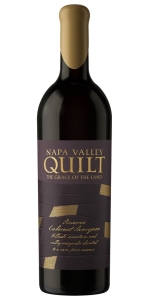
For our 2018 Napa Valley Quilt Reserve, we tasted the developing wine throughout the fermentation and aging processes, then set aside the very best 2% for this reserve bottling. Our lot selection was based on intensity, complexity and boldness of expression that could withstand a longer aging cycle and heavier use of new French oak.
Tasting Notes
Deep Ruby Red in color with aromas of black currant, bright cherry, toffee, blackberry, marionberry pie and notes of dark chocolate. Rich and satisfying on the palate with flavors of boysenberry jam, black cherry pie filling, and cocoa layered with notes of vanilla and hazelnut. A full-bodied Cabernet with layers of concentrated black fruit, bright acidity and excellent balance. A long, velvety and satisfying finish, enjoy this stellar vintage now and for years to come!
Powerful and rich tasting, this wine from Joseph Wagner is velvety in texture and spicy in aroma. It drips with jammy Port like flavors that are backed by fine-grained tannins that tightened a bit on the finish for a good grip. Best from 2025.
-Tasting Panel 97 Points
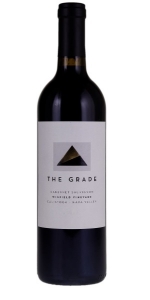
The Grade Napa Cabernet Sauvignon Winfield Vineyard is made from Napa Valley Cabernet Sauvignon.
“This wine expresses a focused balancing act of dark, rich black fruit, and a fine tannin structure, illuminated through the core with a laser-like acidity. The wine displays a deep purple-red hue with a cranberry halo. Aromas of cassis, cinnamon, citrus oil, roasted meat, and lilac swell from the glass.
“The palate is marked by a wave of jet-black brambly fruit up front, followed by an exotic spice mid-palate and a long, complex finish that lasts and lasts expressing notes of flowering jasmine, and oolong tea. The silky tannins hold everything together and will certainly allow this wine to evolve in the cellar for at least 7-10 years.” - Thomas River Brown
Review:
The 2018 Cabernet Sauvignon Winfield Vineyard is an absolutely gorgeous wine that conveys a striking interplay of richness, power and nuance. Silky and restrained for this site, the Winfield offers up a compelling melange of red fruit, iron, cedar, tobacco, rose petal and dried herbs, all in a mid-weight style that is incredibly appealing. The Winfield is a selection taken from Blocks 1, 4 and 5.
-Vinous 94 Points
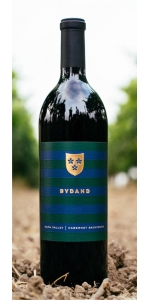
Bydand Cabernet Sauvignon Napa Valley is made from 100% Cabernet Sauvignon
Aged for 22 months in 80% new French oak, 20% neutral French oak
Rooted in the heart of Napa Valley’s bench-land, Bydand's small but mighty vineyard sources are family-owned estates that share their passion for Napa Cabernet Sauvignon. These hand-picked sites provide a rich diversity of aromas and texture that show off the best of their appellation. Bydand Cabernet Sauvignon delivers charismatic black fruit and earth-driven aromas in a silky smooth package. Juicy blackcurrant and wild blackberries meet graphite, subtle toast and spice on the palate. Structured but seamless, it offers grace and complexity the entire length of its confident, unhurried finish.
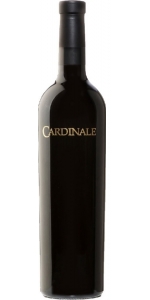
Cardinale Napa Valley Cabernet Sauvignon is made from 91% Cabernet Sauvignon, 9% Merlot.
Super structured and with minerality to spare, this Cabernet Sauvignon offers a real presence on the palate from start to finish. Generous notes of dark chocolate balance beautifully with a blue and black fruit flavor explosion, finishing with a subtle whisper of rose petal.
Reviews:
- James Suckling 98 Points
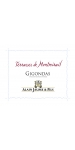
Alain Jaume Gigondas Terrasses de Montmirail is made from 65% Grenache the rest Syrah, Mourvèdre by less than 15%.
Deep red garnet color. Aromas of ripe and black fruits. On the palate the wine is rich, powerful and harmonious - well balanced with wild berry and pepper dominating.
Soil types
Located in and around the famous area called “Dentelles de Montmirail”, the landscape typicity is made by a rocky bar (between 100 and 600 meters high). Soils are made of clay and sand with limestone. The “Dentelles” appeared thanks to the pressure between the Pyrenees and Alps mountains. This is a land of predilection to produce both powerful and fresh wines. Nights are cooler and the grapes ripeness usually comes in late September.
Winemaking & aging
Traditional wine-making in stainless and concrete vats. Crushed and destemmed grapes. Average of 18 days of vatting with pigeages. Ageing in vats mostly and oak barrels. Bottling after 12 – 14 months.
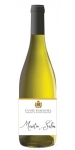
Shirley & David Maudry Menetou Salon Cuvée Essentiel is made from 100% Sauvignon Blanc.
Really fresh and balance wine with peppery and slightly minty notes. The nose is intense and aromatic with notes of citrus, peach and ripe fruit. The palate is fruity and fresh.
RS: <1g/L
TA: 4.5g/L