
" We don't sell the wine without touching the vine "
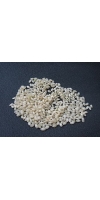
A short-grained rice comes from Japan and is used to produce some of the highest quality sake today. Desired by sake brewers, Yamada Nishiki absorbs water and dissolves very easily. Labeled the King of sake rice, Yamada Nishiki is fragrant with a soft, well-blended flavor. Bred in 1923 Yamada Nishiki is truly the most popular rice for sake, and is a cross between Tankanwataribune and Yamadaho. Nishiki rice is usually harvested in the narrow valley of the Tamba Highlands, which are located in the north of the Rokko Mountains. Sake rice is classified into five groups with only three being used for premium sake. The highest class of rice is then divided into two classes. Yamada Nishiki rice has a large grain and a distinctive white core that contains an abundance of starch. This makes it perfect for creating koji mold. Yamada Nishiki produces sake that is characterized as refined and complex increasing its depth of flavor during the aging process. Yamada Nishiki is not easy to cultivate, even though it has favorable features for sake brewing. Farmers must make sure that the roots and stalks are strong enough to support the rice because of its size. Yamada Nishiki grows taller than any other rice.
No products found

All older vintage wines have been purchased from a single collectors cellar. Pictures can be requested before shipment.
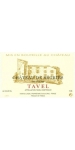
Segries Tavel Rose is made from 50% Grenache, 30% Cinsault, 15% Clairette, 5% Syrah.
The age of the vines is 30 years. Traditional vinification at low temperature, "vin de saignée" with a maceration during one night in cement vat.
This is large for a Rose...structured and focused, with the color of dark ruby. The nose is loaded up with fresh fruit. Strawberry, blackcurrant, and raspberry beam from the glass. On the palate, the mouth-feel is ripe and succulent. It has strength, but maintains its fresh and crisp expression. The finish is filled with Asian spice and slight hints of smoke. Drink this juice now or over the next year or two.



