
" We don't sell the wine without touching the vine "
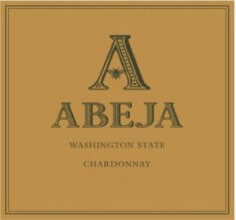
| Country: | United States |
| Region: | Washington |
| Winery: | Abeja |
| Grape Type: | Chardonnay |
| Vintage: | 2020 |
| Bottle Size: | 750 ml |
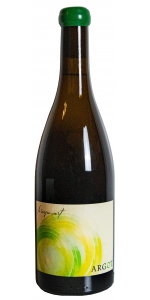
Argot Le Rayon Vert Chardonnay is made from 100 percent Chardonnay.
"Le Rayon Vert", the phenomenon which occurs as the sun dips below the horizon, and a brilliant green flash occurs when sunlight prisms through Earth's atmosphere. Jules Verne wrote "a green which no artist could ever obtain on his palette”, akin to the ethereal, green halo all truly pedigreed Chardonnays radiate from the glass.
Wafting from the glass like a freshly opened stick of Wrigley's gum. Both intense and vibrant, the full-bodied palate delivers Granny Smith apple and stone fruits; confections of custard and sticky vanilla bean; animated by bursts of spearmint and pine forest.
Review:
The 2020 Le Rayon-Vert comes bounding out of the glass with bold notions of lemon meringue pie, fresh apricots, and sea spray, giving way to nuances of struck flint, wet pebbles, and Marcona almonds, plus wafts of lime leaves and mandarin peel. The medium to full-bodied is simply electric, delivering super-intense citrus and mineral layers with a crisp backbone and a very long, chalky finish.
-The Wine Independent 96 Points
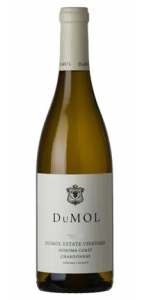
Our organically farmed high-density Estate parcel sits at the top of the ridge amongst the diverse coastal forest. Although the soil is sandy, there’s a vein of clay in the subsoil that holds winter rain and allows us to dry-farm the vines. The tight spacing keeps the clusters and soil shaded during the summer heat, which allows the fruit to retain all the nuance of the site. The wine produced here has a character - a signature - all to itself and cannot be replicated elsewhere; it's the antithesis of fruity, forward, easy-to-understand Californian Chardonnay. The grapes are small with thick skins, producing a high level of fruit extract, which translates to deep texture and structure in the wine itself. Concentration allied to freshness is the essence of this wine, and it ages beautifully in bottle for ten to twelve years.
The wine’s aromas and flavors are incredibly complex and diverse, akin to citrus oil, preserved lemon, sage, fennel and caraway. The wine is deep, powerful, and layered with oyster shell freshness cutting through the natural density. Lemongrass, spearmint, and grapefruit power the finish, which pulsates with intensity. You could decant this for an hour before serving to hasten its development. Drink between 2025 and 2030. Serve no cooler than 55º F.
Review:
From a site surrounded by dense forest on two sides, the 2022 Chardonnay DuMOL Estate Vineyard is a bright straw hue and has a more vibrant aromatic nose of fresh mint, bright lime, flint, crushed stones, and white peach. Medium to full-bodied, it boasts a remarkably firm structure with a bit of tannin, a chalky texture, and a savory slanting profile, and it’s long and persistent on the finish. It has an assertive but crystalline feel and a crunchy brightness. It demands a bit of time. Drink 2025-2035.
-Jeb Dunnuck 96 Points
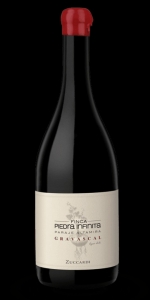
Familia Zuccardi 'Finca Piedra Infinita' Gravascal is made from 100 Malbec.
WINE DATA:
Grape Composition: 100% Malbec
Appellation: Finca Piedra Infinita, IG Paraje Altamira,Valle de Uco, Mendoze
Vinification: Manually selected grapes, filling of tanks by gravity. Fermentation with native yeasts in concrete vessels without epoxy. Aging in concrete vessels. The 2020 was a very particular vintage, characterized by limited yields and a high speed of maturity, which made it one of the fastest and most challenging on record.
In the search for the purest expression of the identity of Finca Piedra Infinita vineyard, we reached this small plot of 0.73 hectares. Located on its north-east side, it shows the typical facet of Paraje Altamira soil, with large gravels and granite stones covered with calcareous material at a depth of 50 cm.
Altitude: 3,609 feet above sea level
Soil Type: Short alluvial soil covered with calcareous materials
Alcohol: 14% Total Acidity: 5.6g/l
TASTING NOTES:
Color: Bright ruby color
Aroma: Dark berries, black olive tapenade, and iron
Flavor: Rich on the palate, with firm tanins
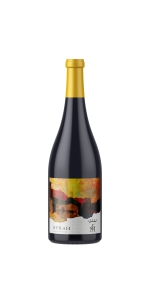
Force Majeure estate Syrah is made from 100 percent Syrah.
The Force Majeure estate Syrah is cultivated in a combination of the 8 soil types that exist in the vineyard, with most of it being planted in very steep, very rocky locations, but some also planted in deeper, loamier soils.
The estate Syrah typically exhibits a broad spectrum of black, blue and red fruits, dried herbs and jasmine, fennel, smoked meats and crushed rock along with very fine tannins, great length, balance and complexity.
Appellation Red Mountain Varietal(s) 100% Syrah
Soil type Very steep, rocky locations, but some also planted in deeper, loamier soils
Vinification 22% whole cluster, remainder destemmed. Fermented in concrete, open top and closed top stainless. ~25% new French oak for 18 months, mostly larger format (300L to 500L) Native yeast, cold soak up front Macerations up to 30 days; pumpovers and punch-downs 100% free run. The wine is bottled unfined and unfiltered.
Production 500 (9-liter cases)
Review:
The 2020 Syrah Red Mountain Estate has a splash of Viognier as well as 22% whole clusters. with the aging occurring in 25% new barrels. Impressive red and blue fruits, as well as graphite and chalky minerality all emerge from the glass, and it's full-bodied, balanced, and concentrated, while staying light on its feet and balanced. It has serious tannins and will demand bottle age.
-Jeb Dunnuck 93-96 Points
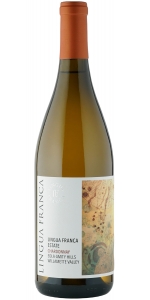
Floral notes leap out of the glass of the 100% Estate-grown Chardonnay 2022, with notes of jasmine, gardenia and lemon blossom. The contribution of low-yielding CH548 blocks seem to impress their character on the late vintage. The palate is round and fresh, entering with green apple and creamy lemon, which develop into chamomile and sea salt, with a round-textured, long finish of floral and saline notes.
The Estate Chardonnay will be an excellent accompaniment to rich and subtle dishes such as halibut with chanterelle sauce, plank smoked copper river xalmon with dill mayonnaise, Lobster Newberg, Quenelles de Brochet avec sauce a l’Armoricain, black cod with shellfish sauce. It is equally delightful with more casual dining options featuring béchamel sauces or cheese-rich dishes, such as a fondue, pasticcio or even lasagna.
Revieww:
The medium yellow/straw-colored 2022 Chardonnay Estate has a forward feel in the glass, with a great nose offering notes of bright flinty reduction, green apples, lime zest, and white flowers. Medium-bodied and long on the palate, it has persistent drive, with a pure savory feel and a graceful saline finish with a note of lime pith. It will drink well over the next 10 years.
-Jeb Dunnuck 94 Points
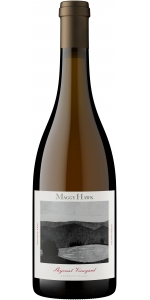
The 2020 Skycrest Vineyard Chardonnay offers fresh Meyer lemon, quince and pear fruit notes alongside subtle sea spray and white lily. A note of flint minerality runs through the palate balancing the wine along with a bright focused acidity that highlights the incredible texture and produces an exceptionally long finish.
Review:
A light hazy yellow hue, the 2020 Chardonnay Skycrest Vineyard is a bit reserved at the moment, with yellow apple, chamomile, and lemon pith notes. The palate is more expressive, offering medium to full body and a supple texture, with a soft floral expression coming through in its notes of vanilla spice, lemon pastry, and almond. A gorgeous wine, it will take some time to open in the glass. Drink 2024-2032.
Jeb Dunnuck 93 Points
Beautiful aromas immediately waft out of the glass, recalling coconut, white orchid, lily of the valley, sea salt salinity and white peach. The palate is driven by steely acidity softened by balanced alcohol. It incorporates additional notes of lime leaf, lemongrass and blanched almond. The challenge is to delight in each nuanced detail, since the wine is just too delicious to stop sipping.
Editors' Choice Wine Enthusiast 93 Points
Abeja Chardonnay Washington State is 100 percent Chardonnay
This Chardonnay has the essence of a freshly baked lemon meringue pie, green apple, and Bartlett pear. It is both dense and bright, with a hint of vanilla and cinnamon coming from its time in barrel. Aromas are so much related to experiences. It is a wine that is in the traditional Abeja style, with superb polish, complexity, and balance, yet with a light touch at 13.5 percent alcohol.
The Abeja Winery
The Abeja Winery sits at the base of the Washington Blue Mountains, just east of Walla Walla, on a farm estate over 100 years old.
Ken and Ginger Harrison spent 35 years in Portand, Oregon before their strategic move to Walla Walla. The growing climate was ideal for Cabernet Sauvignon, Ken’s preferred varietal, which made this the perfect location for Abeja Winery. Ken focused on growing and producing, while Ginger operated the Harrison’s Inn.
In 2002, Ken and Ginger met the perfect additions to their Abeja Winery team, John Abbott and Molly Galt. Hailing from the Napa Valley since college, John worked at Pine Ridge and Acacia Winery. He and Molly later began Canoe Ridge Vineyard in Walla Walla. Molly handled all of the marketing and public relations and John was the winemaker for almost ten years.
When choosing a name for their vineyard, they wanted to represent a period of farming that had respect for the environment and close connection to the earth. The word “Abeja” is Spanish for bee. The simplistic nature and beauty of the word complimented their “farm softly” style. The honeybee is the ultimate symbol for their way of life because honeybees are so impacted by how one farms and yet very important to an ample and robust style of agriculture. The Abeja Winery truly strives to make a difference by minimizing impact and nurturing the land. Abeja vineyards are certified sustainable farming by organizations such as LIVE, Salmon Safe, and Vinea.
Some wines from Abeja Winery:
Any Abeja wines we have in stock are listed below, if you don’t see the wine you are looking for please don’t hesitate to ask for it.
Fullerton Five Faces Chardonnay is made from 100 percent Chardonnay.
Five FACES is an acronym for the Fullerton family – Filip, Alex, Caroline, Eric, and Susanne. The wines blend fruit from multiple vineyards in Willamette Valley, mainly in the north of the valley with one to the west in the Van Duzer Corridor. A full representation of the Willamee Valley’s soil types is on display with one volcanic vineyard, two loess (windblown) vineyards, and two sedimentary vineyards. The vineyards range in elevation from 550-700 feet.
Honeydew melon, japanese pear, apricot, honeysuckle, apple-blossom, nutmeg, brioche, and lemon curd. Melon is echoed on the palate with notes of lemon, tangerine, toasted almonds, and fennel. Lovely and integrated acidity balances the palate weight from 17 months on the lees.
17 months in 10% new French Oak
Paris with creamy dishes and cheeses. Chicken and Turkey.

Smith Woodhouse Vintage Port 1991 has been pulled from a Gentleman's cellar, all wines from this cellar have been purchased by the owner either from the importer or direct from winery. They stayed in his cellar until being moved to the Timeless Wines warehouse.
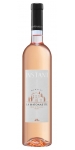
Domaine La Maionnette Rose Cotes de Provence is made from 60% Syrah, 20% Cinsault and 20% Grenache.
The plots of Domaine de la Maïonnette benefit from a clay-limestone soil and are located on a plateau surrounded by hundred-year-old oaks. Bordered by the Provencal scrubland, the vineyard enjoys a dry climate typical of the region.
An emblematic cuvée of the estate, this Cotes de Provence rosé reveals concentrated aromas of citrus fruits and white flowers, and a beautiful structure. The fresh palate brings out sweet candy notes, gooseberry and litchi, and delivers bright acidity and ample length on the finish.



