
" We don't sell the wine without touching the vine "
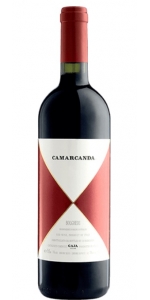
Gaja Ca'Marcanda 'Camarcanda' Bolgheri is made from 70% Cabernet Sauvignon & 30% Cabernet Franc .
Color : Deep garnet.Aroma : Initial aromas evoke violet, cassis, dark licorice and a spicy note of black pepper, leading to undertones of aromatic herbs, incense, dried rose petals, clove and cedar.Taste : Sleek and intense on entry with elegant herbal, light black pepper and cassis flavors on the mid palate.
Review:
After Bolgheri’s torrid and parched 2017 growing season, more moder-ate conditions in 2018 brought the vines and their wines shimmering to life. All of the wines at Ca’Marcanda fermented spontaneously in 2018, which Gaia Gaja attributes to the balance in the musts. This wine, a blend of cabernets sauvignon and franc, is taut and energetic, its flavors of crunchy plum and blackberry laced with notes of licorice, tobacco and graphite.
-Wine & Spirits 96 Points
The Ca' Marcanda estate does not make a Bolgheri Superiore, although this bottle would qualify as such. The 2018 Bolgheri Rosso Camarcanda is a blend of Cabernet Sauvignon and Cabernet Franc, and you definitely feel those full-throttle varietal aromas with big intensity and clarity. Spicy greenness comes forward as grilled rosemary and lavender essence, but the wine boasts nice depth and dimension, and enough textual richness to smooth it all out. This was a slightly cooler vintage with some sporadic rain showers throughout the summer. These conditions might explain the sharper side of those Cabernet aromas. As the wine moves over the palate, it reveals more substantial aromas of black fruit, spice and baker's chocolate. This vintage is slightly thinner than the hot 2017 expression before it and the classic 2016. However, this wine should certainly play forward positively in terms of its aging potential.
-Wine Advocate 95 Points
Dense and fluid at once, this red delivers plum, black cherry, licorice, olive, bay leaf and spice flavors. Ripe and balanced, with a lingering, spicy, tobacco-tinged aftertaste. Cabernet Sauvignon and Cabernet Franc. Best from 2023 through 2033. 1,500 cases made, 225 cases imported. — BS
-Wine Spectator 95 Points
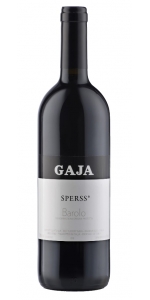
Gaja Sperss is made from 100 percent Nebbiolo.
Vibrant and intense notes of herbs and spices such as thyme, cloves and black pepper. On the palate the wine is tense, loaded with energy that will need serious ageing to fully develop although extremely approachable in its youth. Impressive fruit concentration, with dark and ripe fruits – prunes and black cherries. Acidity and tannins lift this wine to its freshest expression.
Nebbiolo based wines have not only complexity and structure but also great elegance and finesse. The distinctive silky tannins of the Nebbiolo make it the right wine to drink with meat. Usually a young vintage goes very well with richer dishes because of the stronger tannins; mature Barolos are more suitable with delicate white meat courses or braised meat courses with sauces or concentrated red wines reductions.
Review:
The 2018 Barolo Sperss is a gorgeous, gorgeous wine. The aromatics alone are beguiling. Then again, that's one of the things that makes Barolo such a totally seductive wine. Sweet black cherry, lavender, spice and leather give this unusually translucent Barolo striking layers of dimension. Potent Serralunga tannins are present, but they are beautifully woven into the wine's fabric. Sadly, production is around 11,000 bottles, down sharply from the 18,000 or so that is more typical.
- -- Antonio Galloni 97 Points
Gaja Sperss is made from 100 percent Nebbiolo.
Vibrant and intense notes of herbs and spices such as thyme, cloves and black pepper. On the palate the wine is tense, loaded with energy that will need serious ageing to fully develop although extremely approachable in its youth. Impressive fruit concentration, with dark and ripe fruits – prunes and black cherries. Acidity and tannins lift this wine to its freshest expression.
Nebbiolo based wines have not only complexity and structure but also great elegance and finesse. The distinctive silky tannins of the Nebbiolo make it the right wine to drink with meat. Usually a young vintage goes very well with richer dishes because of the stronger tannins; mature Barolos are more suitable with delicate white meat courses or braised meat courses with sauces or concentrated red wines reductions.
Review:
The 2019 Barolo Sperss is rich with dark mineral earth, black cherry, and Earl Grey tea. Long and mouthwatering, it has a powerful structure while retaining finesse. It is fantastically balanced, with gripping tannins, fresh acidity, and notes of forested earth and ripe red berries. A wine for the long haul, this is another great and noble wine to drink over the coming three decades.
-Jeb Dunnuck 99 Points
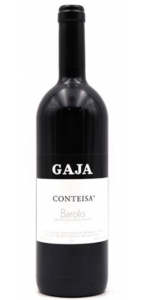
Gaja Barolo Conteisa is made from 100 percent Nebbiolo.
Piedmontese for "quarrel," this wine was named for the historic dispute between the communes of La Morra and Barolo for possession of the Cerequio land. This garnet-colored wine features expressive floral notes and an aroma of red berries, plum, licorice and spice. The sumptuous texture and refined character offer perfectly integrated tannins and an elegant finish.
STYLE: Full-bodied, Rich, Balanced
FLAVOR: Floral, Red Berries, Plums, Licorice, Spice
Reviews:
- Vinous (Antonio Galloni): 97 points
Gaja Barolo Conteisa is made from 100 percent Nebbiolo.
Piedmontese for "quarrel," this wine was named for the historic dispute between the communes of La Morra and Barolo for possession of the Cerequio land. This garnet-colored wine features expressive floral notes and an aroma of red berries, plum, licorice and spice. The sumptuous texture and refined character offer perfectly integrated tannins and an elegant finish.
STYLE: Full-bodied, Rich, Balanced
FLAVOR: Floral, Red Berries, Plums, Licorice, Spice
Reviews:
This is a really enticing wine with an open and vivid nature that tells you right away it is Barolo, but it’s polished and sweetly tannic. You want to taste and taste. It’s medium- to full-bodied with rounded tannins and a savory finish. Juicy and so approachable now. Better in a couple of years, but hard to resist now. Try after 2026.
James Suckling 98 Points
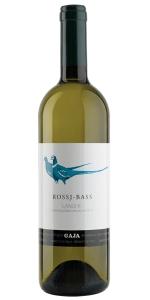
2021 Rossj-Bass displays the main features of the vintage well, with intense fruit concentration and floral notes. The nose shows ripe citrus notes of lemon peel and orange evolving into tropical fruits. The richness of the nose and the same notes are reflected on the palate, where remarkable acidity balances the fruit concentration. The wine is rich, full-bodied and creamy, with a long finish.
Review:
The 2021 Gaja Rossj-Bass starts off with very, crisp, green fruit and much more Sauvignon Blanc dominant aromas of grassy, bright, fragrant green apple and green pepper - all very bright and cheerful. Then Chardonnay seems to take over in the medium-full bodied and pleasing creamy texture of the wine. This is balanced again by the tangy, juicy acidity of Sauvignon. This is very elegant blend of Sauvignon Blanc aromas and zestiness and the textural comfort of Chardonnay. The name Rossj is a nickname of Angelo Gaja’s second daughter, Rossanna.
-Wine Independent 94 Points
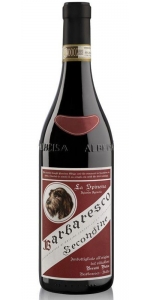
La Spinona Barbaresco Secondine is made from 100 percent Nebbiolo.
This single-vineyard Barbaresco comes from his 3.5 hectares on the cru of Secondine. It is the commune of Barbaresco below the zone of Rabaja Basa and Paje and is where Gaja’s San Lorenzo is located. It is 230 meters above sea level with a southern exposure.
Excellent with game, red meats, truffle dishes and aged cheeses.
Color: Deep ruby red with a hint of garnet in the reflections.
Bouquet: Bright bouquet full of cherries, raspberries, licorice and floral notes.
Taste: Elegant and refined with delicate, soft tannins. It is fresh, velvety and extremely well balanced.
Review:
Aromas of wild red berry, blue flower, crushed mint and oak-driven spice come to the forefront. Reflecting the nose, the full-bodied, polished palate features juicy Morello cherry, crushed raspberry, star anise and spearmint alongside lithe tannins. It's balanced, with bright acidity and closes on a note of bitter almond.
-Wine Enthusiast 93 Points

All older vintage wines have been purchased from a single collectors cellar. Pictures can be requested before shipment.
La Spinona Barbaresco Secondine is made from 100 percent Nebbiolo.
This single-vineyard Barbaresco comes from his 3.5 hectares on the cru of Secondine. It is the commune of Barbaresco below the zone of Rabaja Basa and Paje and is where Gaja’s San Lorenzo is located. It is 230 meters above sea level with a southern exposure.
Excellent with game, red meats, truffle dishes and aged cheeses.
Color: Deep ruby red with a hint of garnet in the reflections.
Bouquet: Bright bouquet full of cherries, raspberries, licorice and floral notes.
Taste: Elegant and refined with delicate, soft tannins. It is fresh, velvety and extremely well balanced.
Review:
-James Suckling 94 Points
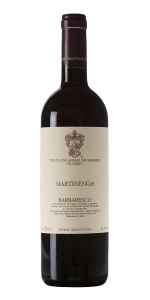
Tenute Cisa Asinari Marchesi di Gresy Gaiun Martinenga Barbaresco 2016.
Bright garnet red with slight orange reflections. Intense and pleasant hints of plum and cherry blend sinuously with balsamic nuances of mint, tea leaves, dried flowers and blond pipe tobacco.
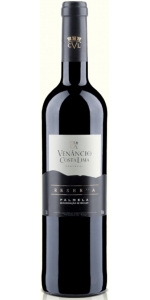
Venancio da Costa Lima Palmela Reserva is made from 100% Castelao (also known as Periquita)
Intense garnet color, complex nose with touches of ripe fruit, jam and spices, full-bodied flavor and a very balanced finish.
100% Castelao (also known as "Periquita" and "Joao de Santarem". As the most widely-grown red grape variety in Portugal it is still often referred to in Portuguese as Periquita, although that name is legally owned by José Maria da Fonseca in the Setúbal Peninsula outside of Lisbon. It is highly adaptable to different climatic conditions and its remarkable versatility enables winemakers to make a range of wines – from the easy drinking and quaffable reds and rosados to the powerful and intense reds perfectly suited to lengthy cellaring. Castelão comes into its own and is most expressive in the Sétubal Peninsula, where it makes meaty and intense wines with aromas of red berries and blue flowers that marry well with the deft use of oak.
Made from 45 year old vines.
Classic vinification at controlled temperature (25 °C) with prolonged maceration for phenolic extraction. Wine went through malolactic fermentation.
Wine was slightly fitered before bottling to avoid sedimentation in the bottle and to ensure stability.
Pasta, Cheese, red meat and game.
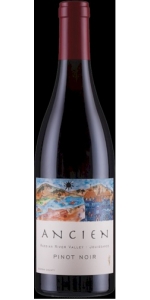
Ancien Pinot Noir Russian River Jouissance is made from 100 percent Pinot Noir.
Jouissance is sourced from the single vineyard established and farmed by Mark Lingenfelder at his home estate. Mark’s decades of experience as a vineyard manager and consulting viticulturalist have provided him the depth of experience to reach the pinnacle at his own property. Having worked with storied wineries over the years, we are grateful our paths have crossed enabling us to work with him for our Russian River designate. He tends the vines himself while relying on neighbor Lee Martinelli to provide additional help at the peak times. We work with a mix of Pommard and Dijon 667 vines from his oldest and youngest blocks – aged wisdom combines with youthful vigor!
The 2021 growing season was a welcome success after a more varied and challenging 2020. The vines came on with aplomb, demonstrating the rich fruit concentration we expect – even if the crop was meager. The ongoing drought in California served to further accentuate the character and concentration of the fruit. While warmer conditions have prevailed in other areas, the coastal areas of California continue to benefit from the maritime influence and moderating influence that it brings.
We fermented in our one ton, open-top tanks after filling by gravity. A warm fermentation with a combination of native and isolated Burgundian yeasts produced excellent and focused flavor extraction, complemented with traditional punch-downs by hand. The wine was aged entirely in Francois Freres cooperage, 40% new, and racked once, gently, prior to bottling. Grapes, must, and wines were moved using gravity through to the barrel and using inert gas through racking and bottling. 151 cases produced.
Bright fruit notes dominate the aromas with bright cherry, plum, and boysenberry underlaid by allspice and clove. On the palate the wine is liquid velvet, it’s silkiness segueing into a burst of fruit and spice that rides high on the palate while gradually opening to deeper berry, tea, and baking spices. It is a refreshing and lively Pinot Noir in its youth that will continue to fill out in depth and complexity over the next 2-5 years.

No Syrah terroir in Sonoma County compares with Sonoma Mountain’s northwest crown—cool fog-affected mornings, sun-bathed afternoons, cooled by persistent coastal breezes, and temperate evenings. The soils in Steiner’s Syrah blocks — ashy and moondust-like, littered with decomposing sea bed — further contribute to the unique nature of this site. After a 3-vintage hiatus, I am thrilled to be back working with Steiner Vineyard’s Syrah. By its nature, this slow-to-ripen, cool-climate site produces fabulously deep, intense, structured wines. Now, raising a big, brawny Syrah is no rare act of alchemy. It is the wonder of Steiner’s terroir — a magical elegance and beauty, informing the inherent power, depth and intensity — that makes this bottling so special. 2016 produced a classic wine that deftly balances massive flavors and texture, while retaining vital freshness, and a palpable sense of cool. Production was low, so get it while you can. Simply a “WOW” wine, not to be missed.
VINEYARD: Steiner Vineyard. Located at 1,100 ft, on the northwest crown of Sonoma Mountain. CRUSH: Early morning harvest by hand, October 1st, cluster and berry sorted, destemmed and crushed. FERMENT: 5-day cold soaks, followed by 14 day native fermentation in open-top bins. AGING: 20 months, French oak, 100% new, mixture of 300L hogsheads and barrique shapes. Never racked prior to bottling. Bottled unfined, unfiltered.
Review:
"Refined and stylish, featuring a complex core wrapped in multilayered blackberry and blueberry flavors, laced with bitter chocolate, black licorice and smoky meat notes. Drink now through 2030.- Tim FISH"
- Wine Spectator Insider (January 15th 2020), 93 PTS
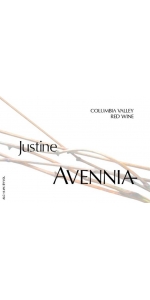
Avennia Justine Red Blend 56% Grenache, 31% Mourvèdre, 13% Syrah
Justine reflects our belief that Washington is capable of producing world class blends of grape varieties traditional to the Southern Rhone region of France. The name is inspired by one of the great heroines of recent literature, who also sprung from the imagination of the Mediterranean. Dark, seductive, complex, with a chasm of depth: The Justine is a great reflection of Avennia's mission of expression, and Washington's generous terroir.
Tasting Note: Big black cherry, blackberry, hints of orange peel, fresh herbs and loam on the nose. Plush and round on the palate. Dark earthy fruits from the Mourvedre, along with citrus high notes, mountain flowers, jasmine, and savory herbs. Balanced and complex without forgetting its hedonistic roots in the Southern Rhone.
Review:
A blend of 56% Grenache, 31% Mourvèdre, 13% Syrah brought up all in older oak, the 2016 Justine offers a great core of black fruits as well as lots of peppery herbs, earth, and classic meatiness. It looks to be a great vintage for this cuvée."
- Jeb Dunnuck (April 2018), 92-94 pts
Avennia Red Willow Cabernet Sauvignon is made from 100% Cabernet Sauvignon.
The Red Willow Cabernet is a true blockbuster.
Coming from one specific block of 30 year old vines at this iconic vineyard, then strictly barrel selected, this is the essence of powerful, old vine Washington Cabernet. After all of our efforts promoting the idea of the Bordeaux blend, it would take a pretty compelling argument to suspend that idea and make a 100% varietal Cabernet. In 2016 Red Willow provided us with just that. Each time we tasted it in the barrel, the belief grew that this was something special. Something we can't make every year. In the end we were won over, and decided to make a limited amount of this wine. But don't be fooled, as this too is a blend and a selection. Each year as we are tasting the grapes as harvest approaches, we notice that the vines near the bottom of this long, steep west-facing slope, are a little different. The vines at the bottom are in a little richer soil, and get a little more water, so we pick them separately, sometimes even a week or ten days apart, and keep them separate in barrel.
This wine is all from the top of the vineyard, with its lower yield and poorer soils giving more concentration and interest. Then further, nearly every combination of new and used French oak barrels were trialed to find the best blend. It's not enough just to use the four best barrels, but to trial each combination to see how they complement each other. For a wine with this much mass, 100% new French oak was used for the first time at Avennia. It is a wine that needs a little cellaring to start, but should last a very long time.
Review:
"The 2016 Cabernet Sauvignon Red Willow Vineyard is 100% Red Willow Cabernet Sauvignon that will spend roughly 20 months in close to 100% new French oak. Blackcurrants, smoked herbs, chocolate, and graphite notes all give way to a full-bodied, plump, rich, concentrated effort that's going to be better with short-term cellaring and keep for two decades."
- Jeb Dunnuck (April 2018), 94-96 pts
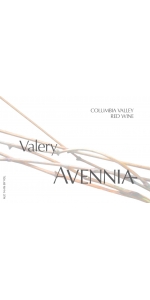
Avennia Valery Red Blend is made from 86% Merlot and 14% Cabernet Franc
Valery is named for the patron saint of wine in the St. Emilion region that inspired it.
We started with old vine Merlot from a stony block in the heart of the Yakima Valley and added complex, aromatic Cabernet Franc from the Horse Heaven Hills. The result is a balanced, complex wine with the elegance and ethereal perfume that this blend of two of Washington’s best varietals are known for.
The nose on this wine is very perfumed, almost exotic with notes of fresh violets, red plum, winter mint, fresh herbs and crushed limestone qualities. The palate is poised and balanced, with red fruits and mocha powder encapsulated in limestone. The finish lingers delicately, with the Cabernet Franc asserting a light tobacco and herb note, giving depth. A compelling wine that will continue to unwind for 7-10 years in the cellar.
Review:
"Brought up in 30% new French oak, the 2016 Valery (70/30 Merlot and Cabernet Franc) offers more black cherry and earthy, herbal notes as well as a medium-bodied, seamless, beautifully balanced style. It too shows a vibrant, fresh, yet concentrated style that has a Bordeaux feel in its weight and texture."
- Jeb Dunnuck (April 2019), 93 pts
"Good medium-dark red. Aromas of blueberry, mocha, licorice and violet are a bit darker than those of the 2015 version. Dense and penetrating, with wild flavors of dark berries, licorice and game given lift by rocky minerality and a minty nuance. Chris Peterson slightly acidified his Cabernet Franc from Champoux Vineyard, which he added to the wine for richness. This beauty may yet tighten up in the bottle.- Stephen Tanzer"
- Antonio Galloni's Vinous (November 2018), 92+ pts
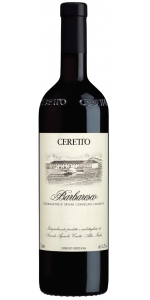
Ceretto Barbaresco DOCG is made from 100 percent Nebbiolo.
If we could sum this wine up in a single word, we wouldn’t hesitate to define it as “classic”. As tradition suggests, this Barbaresco is the fruit of the assembly of several parcels of land, coming from some of our most beautiful vineyards. The idea is that of naturally obtaining balance by harmonizing different expressions, often contrasting ones. The result is a liquid expression of a terroir, tempting and typical, a synopsis of one Langa, that of Barbaresco, which moves in the glass, alternating between structure and elegance.
Review:
Very aromatic with orange blossom, roses and iron. Medium-bodied with very fine tannins. Refined and beautiful. Drink now or hold.
-James Suckling 93 Points
Ceretto Barbaresco DOCG is made from 100 percent Nebbiolo.
If we could sum this wine up in a single word, we wouldn’t hesitate to define it as “classic”. As tradition suggests, this Barbaresco is the fruit of the assembly of several parcels of land, coming from some of our most beautiful vineyards. The idea is that of naturally obtaining balance by harmonizing different expressions, often contrasting ones. The result is a liquid expression of a terroir, tempting and typical, a synopsis of one Langa, that of Barbaresco, which moves in the glass, alternating between structure and elegance.
Review:
This is a really solid, meaty and mouth-filling Barbaresco that offers vivid red fruit with floral and mineral nuances and hints of licorice and cedar. Medium- to full-bodied with compact, velvety tannins that form the backbone of the wine, showing impressive concentration and length. Drink from 2027.
- James Suckling 93 Points
Bright, brightening ruby garnet. Appealing and finely drawn nose with notes of strawberries, blood orange and sealing wax. Very juicy on the palate, fresh, precisely defined fruit, opens up with fine-meshed tannins, very tense, with a cherry finish.
-FalStaff 93 Points
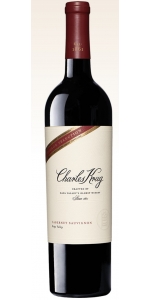
Charles Krug Peter Mondavi Family Vintage Selection Cabernet Sauvignon is made from 100 percent Cabernet Sauvignon.
Review:
The 2016 Cabernet Sauvignon Vintage Selection has a deep garnet-purple color and features exuberant notes of crushed black cherries, mulberries and blackcurrant cordial with touches of unsmoked cigars, menthol, yeast extract and pencil shavings. Full-bodied, concentrated and opulent in the mouth, it has a solid line of plush tannins and plenty of backbone freshness to lift the generous fruit to a long fruity finish.
-Wine Advocate 95 Points
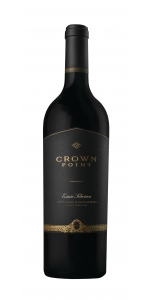
Crown Point Estate Selection is made from 75% Cabernet Sauvignon, 10% Merlot, 6% Petit Verdot, 6% Cabernet Franc, 3% Malbec.
The 2016 Crown Point Estate Selection exhibits a heady aromatic array of baking spices, ripe red and black fruits, with deep intonations of earth and minerals. The palate is elegant and bright, with appealing acids and nuanced notes of savory mocha and dried herbs. Polished and seamless, the tannins finish with a comet-like trail of textural opulence highlighted by glossy flavors of baked berry pie and warm toast. Recommended drinking window: now through 2030s.The 2016 Estate Selection is representative of all five red Bordeaux varieties. The selection process starts in the vineyard and continues on through the winemaking process: only the best lots make the final blend. All blocks were harvested & fermented separately. The individual components were blended after 12 months in barrel. Total time in 225 liter French oak barrels was 26 months.
Review:
Deeply colored, the 2016 Estate Selection checks in as 75% Cabernet Sauvignon, 10% Merlot, 6% Petit Verdot, 6% Cabernet Franc, 3% Malbec that was brought up 26 months in 75% new French oak. Deeply colored, it has a smoking good bouquet of crème de cassis, smoke tobacco, lead pencil, camphor, and hints of chocolate. This gives way to a powerful, opulent Cabernet Sauvignon that has plenty of sweet tannins, a layered, multi-dimensional texture, no hard edges, and an awesome finish. I’d happily put this beauty in a lineup of top Napa Valley Cabernet Sauvignon and blends.
-Wine Enthusiast 97 Points
There’s an impressive amount of complexity on the nose of this bottling by winemaker Adam Henkel, from crushed graphite and concentrated black strawberry to cinnamon pastry, licorice and a brush of herbs. The sip is intense, with leathery but chiseled tannins presenting flavors of charred black currant, licorice, black olive, dried flower and white pepper
-Jeb Dunnuck 97 Points
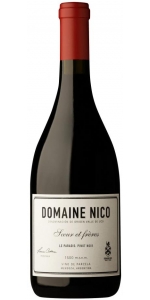
Domaine Nico le Paradis Pinot Noir is made from 100 percent Pinot Noir.
The cool climate vineyard that belongs to Laura and her sister Adrianna Catena feels like paradise itself to Laura. It is lined by trees and fruit orchards, with majestic views of the Andes. Inside the 12 Hectare vineyard, there is a little house with two tiny bedrooms and a kitchen, where Laura dreams of spending a whole month reading books-Laura's version of paradise. The little house is affectionately named Chateau Laura. About the Vineyard The tiny parcel where Le Paradis is grown was planted in 2011 with Dijon 667 Clones over two acres. Wine Production The grapes from this small parcel were elaborated in 15 separate microvinifications.
All the microvinifications were fermented with indigenous yeast. 20% of the microvinifications were fermented with 100% whole clusters in oak roll-fermentor of 600L and low temp (22 Celcius degrees). 40% were fermented with 20% whole cluster in small vats of 800L and 40% fermented in small vats of 800L without sulfites until 4%V/V of alcohol.
Review:
From soils rich in calcium carbonate and sand, in a vineyard 1,600 meters above sea level, this wine comes from a selection of 2.7 hectares that produced very little fruit in 2016, just barely enough to fill 800 bottles. But watch out for this white, with its edge, its minerality, those saline notes that are so characteristic of chardonnay from the chalky Gualtallary soils. The wine was aged for a year in used barrels, and it has some of the toast, but here it’s the deep minerality that dominates.
Patricio Tapia - Descorchados 96 Points
The sage, autumnal older sister to the spring verve of the Juvenile, Old Vines encompasses everything we stand for at Turley. Teeming with dark berries, currants, baking spices, earth, and a sprinkle of petrichor on the nose. The palate is brooding yet supple, serious yet satisfying. Inherently embodies the depth, complexity, and grace that can only come from old vines.
Review:
As with the Juvenile bottling, the 2022 Zinfandel Old Vines punches above its weight in this vintage. The nose is considerably deeper, fuller and more polished, opening with aromas of crushed plums, wild berry preserves, tobacco leaves and similar autumnal accents to its younger sibling. The palate is light- to medium-bodied, carrying through the polished quality of the nose and melds it with a subtly dusty tannin structure and bright acidity. The finish is straightforward and easy to drink, offering generous layers of fruit, spice and floral notes.
- Robert Parker's Wine Advocate 92 Points
A gutsy little red, with intense yet zesty flavors of raspberry, cranberry, savory anise and black pepper that finish with briary tannins.
Wine Spectator 92 Points
Gaudrelle Monmousseau Clos le Vigneau Vouvray is made from 100% Chenin Blanc
Clos Le Vigneau is a single vineyard from an area known as "les Gués d'Amant" or "Lover's Gap". Most of the vines were planted in 1929.
Off dry in style with honey, earth and apricot notes. Wines from the town of Vouvray have been known to age well for 40 years. This particular bottling should hold for at least 5-7 years.



