
" We don't sell the wine without touching the vine "
| Country: | Spain |
| Region: | Getariako Txakolina |
| Winery: | Alleme |
| Grape Type: | Hondarrabi Zuri |
| Organic: | Yes |
| Vintage: | 2016 |
| Bottle Size: | 750 ml |
Alleme Getariako Txakolina is 100% Hondarribi Zuri
A very fruity, persistent and clean Txakoli. It reminds the white exotic fruits, such as lichy. It has a straw yellow color, without the slightest tone of rust and a faint natural gas pearl crown, due to the grape juice fermentation. In the mouth, it is greasy and unctuous, with a good balance of structure and acidity. In order to get such a Txakoli, we have combined the most traditional and the most innovative production methods to create it. Thanks to the batonnage (stirring of the lees), we have attained the characteristic unctuosity of this Txakoli.
After harvesting and pressing, the must is left to ferment in stainless steel tanks. Traditionally, and until recently, this was done in oak or chestnut barrels, called kupels, in Basque. Fermentation lasts 20–25 days and then the txacolí is left to lie on its lees. The CO2 prevents oxidation and dissolves the sediments and gives the wine its sparkling characteristic. The wines is not racked so it does not lose its sparkle and is clarified by natural sedimentation by gravity in the tank or barrel. Traditionally, the wine is tasted on the feast of San Antonio on 17 January, which is known as Txacolí Day (Txacoli Eguna, in Basque).
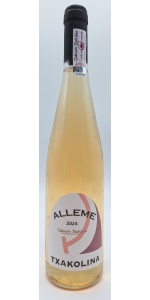
Alleme Getariako Txakolina Rosado is made from 50% Hondarrabi Zuri and 50% Hondarrabi Beltza
Limpid pink. Bright and energetic on the nose and palate, displaying vibrant, mineral-tinged cranberry, blood orange and white pepper qualities and a touch of pungent flowers. Racy and sharply focused, carrying no excess fat. Finishes tight and dry, displaying repeating citrus character and good persistence.

All older vintage wines have been purchased from a single collectors cellar. Pictures can be requested before shipment.

No Syrah terroir in Sonoma County compares with Sonoma Mountain’s northwest crown—cool fog-affected mornings, sun-bathed afternoons, cooled by persistent coastal breezes, and temperate evenings. The soils in Steiner’s Syrah blocks — ashy and moondust-like, littered with decomposing sea bed — further contribute to the unique nature of this site. After a 3-vintage hiatus, I am thrilled to be back working with Steiner Vineyard’s Syrah. By its nature, this slow-to-ripen, cool-climate site produces fabulously deep, intense, structured wines. Now, raising a big, brawny Syrah is no rare act of alchemy. It is the wonder of Steiner’s terroir — a magical elegance and beauty, informing the inherent power, depth and intensity — that makes this bottling so special. 2016 produced a classic wine that deftly balances massive flavors and texture, while retaining vital freshness, and a palpable sense of cool. Production was low, so get it while you can. Simply a “WOW” wine, not to be missed.
VINEYARD: Steiner Vineyard. Located at 1,100 ft, on the northwest crown of Sonoma Mountain. CRUSH: Early morning harvest by hand, October 1st, cluster and berry sorted, destemmed and crushed. FERMENT: 5-day cold soaks, followed by 14 day native fermentation in open-top bins. AGING: 20 months, French oak, 100% new, mixture of 300L hogsheads and barrique shapes. Never racked prior to bottling. Bottled unfined, unfiltered.
Review:
"Refined and stylish, featuring a complex core wrapped in multilayered blackberry and blueberry flavors, laced with bitter chocolate, black licorice and smoky meat notes. Drink now through 2030.- Tim FISH"
- Wine Spectator Insider (January 15th 2020), 93 PTS
Avennia Justine Red Blend 56% Grenache, 31% Mourvèdre, 13% Syrah
Justine reflects our belief that Washington is capable of producing world class blends of grape varieties traditional to the Southern Rhone region of France. The name is inspired by one of the great heroines of recent literature, who also sprung from the imagination of the Mediterranean. Dark, seductive, complex, with a chasm of depth: The Justine is a great reflection of Avennia's mission of expression, and Washington's generous terroir.
Tasting Note: Big black cherry, blackberry, hints of orange peel, fresh herbs and loam on the nose. Plush and round on the palate. Dark earthy fruits from the Mourvedre, along with citrus high notes, mountain flowers, jasmine, and savory herbs. Balanced and complex without forgetting its hedonistic roots in the Southern Rhone.
Review:
A blend of 56% Grenache, 31% Mourvèdre, 13% Syrah brought up all in older oak, the 2016 Justine offers a great core of black fruits as well as lots of peppery herbs, earth, and classic meatiness. It looks to be a great vintage for this cuvée."
- Jeb Dunnuck (April 2018), 92-94 pts
Avennia Red Willow Cabernet Sauvignon is made from 100% Cabernet Sauvignon.
The Red Willow Cabernet is a true blockbuster.
Coming from one specific block of 30 year old vines at this iconic vineyard, then strictly barrel selected, this is the essence of powerful, old vine Washington Cabernet. After all of our efforts promoting the idea of the Bordeaux blend, it would take a pretty compelling argument to suspend that idea and make a 100% varietal Cabernet. In 2016 Red Willow provided us with just that. Each time we tasted it in the barrel, the belief grew that this was something special. Something we can't make every year. In the end we were won over, and decided to make a limited amount of this wine. But don't be fooled, as this too is a blend and a selection. Each year as we are tasting the grapes as harvest approaches, we notice that the vines near the bottom of this long, steep west-facing slope, are a little different. The vines at the bottom are in a little richer soil, and get a little more water, so we pick them separately, sometimes even a week or ten days apart, and keep them separate in barrel.
This wine is all from the top of the vineyard, with its lower yield and poorer soils giving more concentration and interest. Then further, nearly every combination of new and used French oak barrels were trialed to find the best blend. It's not enough just to use the four best barrels, but to trial each combination to see how they complement each other. For a wine with this much mass, 100% new French oak was used for the first time at Avennia. It is a wine that needs a little cellaring to start, but should last a very long time.
Review:
"The 2016 Cabernet Sauvignon Red Willow Vineyard is 100% Red Willow Cabernet Sauvignon that will spend roughly 20 months in close to 100% new French oak. Blackcurrants, smoked herbs, chocolate, and graphite notes all give way to a full-bodied, plump, rich, concentrated effort that's going to be better with short-term cellaring and keep for two decades."
- Jeb Dunnuck (April 2018), 94-96 pts
Alleme Getariako Txakolina is 100% Hondarribi Zuri
A very fruity, persistent and clean Txakoli. It reminds the white exotic fruits, such as lichy. It has a straw yellow color, without the slightest tone of rust and a faint natural gas pearl crown, due to the grape juice fermentation. In the mouth, it is greasy and unctuous, with a good balance of structure and acidity. In order to get such a Txakoli, we have combined the most traditional and the most innovative production methods to create it. Thanks to the batonnage (stirring of the lees), we have attained the characteristic unctuosity of this Txakoli.
After harvesting and pressing, the must is left to ferment in stainless steel tanks. Traditionally, and until recently, this was done in oak or chestnut barrels, called kupels, in Basque. Fermentation lasts 20–25 days and then the txacolí is left to lie on its lees. The CO2 prevents oxidation and dissolves the sediments and gives the wine its sparkling characteristic. The wines is not racked so it does not lose its sparkle and is clarified by natural sedimentation by gravity in the tank or barrel. Traditionally, the wine is tasted on the feast of San Antonio on 17 January, which is known as Txacolí Day (Txacoli Eguna, in Basque).
The Alleme Estate
Alleme is produced at Bodega Talai Berri. Located in the town of Zarautz (in the Spanish side of the Basque Country).
Zarautz is a small fishing towns on the coast of the Bay of Biscay, in the province of Guipuzcoa, Basque Country, Spain.
Built in 1992, the winery lays on the sunniest slopes of Mount Talai Mendi, surrounded by 12 ha of vineyards.
Bixente Eizagirre Aginaga represents the fourth dynasty generation, and his daughters, Itziar and Onditz, the fifth generation making Txakoli out of their vineyards fruits.
The Region
- History: The Denominación de Origen Txacolí de Getaria was created in 1990 and covers around 227 hectares of vineyards, down from over 1,000 hectares at the turn of the 20th century. However, wine had traditionally been made in this manner for hundreds of years and was popular from the Middle Ages up to the end of the 19th Century, when the vines were devastated by the phylloxera virus and the effects of industrialization of the Basque Country. There are now 26 wineries (bodegas) registered with the DO.
- The Climate: The DO area is protected from the cold northerly winds by the coastal hills, and enjoys a relatively mild climate, with an average annual temperature of 13.5°C, and moderate sunlight hours. Hail is a serious risk for the grapes. The rainfall of 1,600 mm/yr is the highest of all the Spanish wine regions.
- Grape Varietals: The only authorized grapes are Hondarrabi Zuri (white) and Hondarribi Beltza (red)
The Alleme Vineyards
The vineyards are all located near the coast where they are protected from the spring frost and from the summer heat. They are planted on the southeast facing slopes for additional protection from the sea breezes and in order to receive more sunlight. The slopes are often very steep and sometimes not terraced. The vines are trained over wires and sometimes over earthen or stone pillars. They can be anywhere between 10 and 100 meters above sealevel. The subsoil is predominantly clay covered by a layer of sandy soil.
Talai Berri owns 12 hectares.
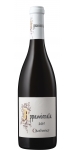
J. Christopher Appassionata Chardonnay is made from 100 percent Chardonnay.
Appassionata Chardonnay is the expressive summit of this classic Burgundian variety in the Willamette Valley. Fermented and matured in large (500-liter) oak casks, it rests on the full lees for two years before bottling. It then rests in our cellar for another year before its release, three years after vintage. The wine’s elegant texture, fine structure and extended maturation time ensure a long life for this vibrant Chardonnay.
Whole-cluster pressing; native yeast fermentation in 500-liter French oak barrels; natural malolactic fermentation; 21 months maturation on the lees.
Review:
Anyone questioning Chardonnay’s potential in the Willamette Valley should try this rich and sophisticated wine. A silky texture, is met with mouthfilling flavors of orange sorbet, pineapple and challah bread, as well as a hint of mint. The aromas of lemon curd and petrichor are equally delightful.
- Wine Enthusiast 94 Points
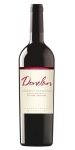
The nose of our the Cabernet Sauvignon shows remarkable purity, opening with juicy fruit-punch and layered notes of blue and red fruit dried with sweet herbs. The palate builds with blackberry pie filling, baker’s chocolate, and freshly ground coffee, underscored by an earthiness of loam and underbrush. Acidity is finely tuned, carrying structure through the middle and sides of the wine. For those who can wait, cellar this bottle for several years. For those who cannot, double decant 4–5 hours before serving and let the wine come fully alive.
Blackberry pie filling, baker’s chocolate, freshly ground coffee, earthy loam and underbrush, red and blue fruit dried with sweet herbs
Review:
"How do you do Cabernet the Donelan way—and do it in Sonoma? The answer began with archetyping older styles of Cabernet. The vineyard lies near Skipstone, encompassing sites such as T-T Vineyard, Obsidian, and Constant on Diamond Mountain. For Joe Donelan, the goal was to craft a Cabernet reminiscent of what Mondavi was producing in the 1970s and early 1980s—wines defined by freshness, clarity, and balance rather than sheer weight. The result is vivid, bright, and pure-fruited, with an immediate freshness factor. Red berry fruit, cherry, and cassis lead the way, framed by a medium-bodied structure with velvety-textured tannins and a creamy mid-palate that makes the wine deeply engaging and remarkably easy to drink. Sagebrush and black olive notes lend savoury complexity, joined by subtle hints of tobacco, all carrying through to a long, mineral-driven, fruit-focused finish. - Jonathan CRISTALDI"
Decanter (January 5th 2026), 97 points