
" We don't sell the wine without touching the vine "
| Country: | Spain |
| Region: | Getariako Txakolina |
| Winery: | Alleme |
| Grape Type: | Hondarrabi Zuri |
| Organic: | Yes |
| Vintage: | 2023 |
| Bottle Size: | 750 ml |
Alleme Getariako Txakolina is 100% Hondarribi Zuri
A very fruity, persistent and clean Txakoli. It reminds the white exotic fruits, such as lichy. It has a straw yellow color, without the slightest tone of rust and a faint natural gas pearl crown, due to the grape juice fermentation. In the mouth, it is greasy and unctuous, with a good balance of structure and acidity. In order to get such a Txakoli, we have combined the most traditional and the most innovative production methods to create it. Thanks to the batonnage (stirring of the lees), we have attained the characteristic unctuosity of this Txakoli.
After harvesting and pressing, the must is left to ferment in stainless steel tanks. Traditionally, and until recently, this was done in oak or chestnut barrels, called kupels, in Basque. Fermentation lasts 20–25 days and then the txacolí is left to lie on its lees. The CO2 prevents oxidation and dissolves the sediments and gives the wine its sparkling characteristic. The wines is not racked so it does not lose its sparkle and is clarified by natural sedimentation by gravity in the tank or barrel. Traditionally, the wine is tasted on the feast of San Antonio on 17 January, which is known as Txacolí Day (Txacoli Eguna, in Basque).
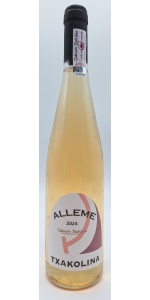
Alleme Getariako Txakolina Rosado is made from 50% Hondarrabi Zuri and 50% Hondarrabi Beltza
Limpid pink. Bright and energetic on the nose and palate, displaying vibrant, mineral-tinged cranberry, blood orange and white pepper qualities and a touch of pungent flowers. Racy and sharply focused, carrying no excess fat. Finishes tight and dry, displaying repeating citrus character and good persistence.
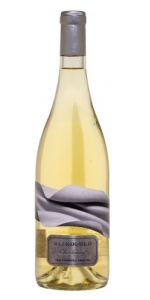
The Prisoner Wine Co. Blindfold Chardonnay is made from 100 percent Chardonnay.
Blindfold Chardonnay is gorgeously balanced and a true triumph. Fragrant with notes of lime zest, yuzu, jasmine, and a slight minerality, Bright on the palate with juicy green citrus, lychee, green apple and toasted hazelnut. You’ll find both freshness and soft texture from its time in oak. The finish is long and indulgent–let yourself sink into this luxurious pour.
All of the fruit was hand-picked and whole cluster pressed. Barrel fermentation took place in 100% French oak barrels, and 23% New barrels that were selected by forest or grain tightness to frame our fruit profile, bring texture, and soften acidity. Lots were tasted every other week while we stirred the lees to precisely soften the mouthfeel and achieve optimal balance. With fermentation, and subsequent elevage taking place over 11 months we have achieved this goal.
Chardonnay grapes were harvested as flavors of lime zest and green apple started to develop and before acid started to ripen away. Picking decisions were made based on acidity rather than sugar level (Brix). We want to showcase the vineyard sites and growing region in perfect balance.
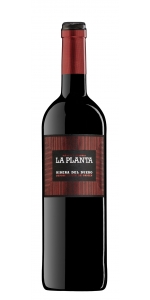
Arzuaga Ribera del Duero La Planta 2023 is 100% Tempranillo.
The wine has been crafted from grapes cultivated at La Planta estate, owned by Arzuaga Navarro’s family in Quintanilla de Onésimo, the heart of Ribera del Duero. The soil is clay-calcareous and the subsoil is pure limestone at one meter under the surface. The vineyard altitude is 911 meters above sea level. These specific conditions provide distinct features of the wine.
The wine boasts a deep violet red color. Clean and bright with a range of red fruits (raspberry and cherry) that dominate with a high aromatic intensity, joined by balsamic, cacao, coffee, and roasted tones. Fresh, elegant, easy, and balanced in the mouth with a lightly sweet, toasted, and pleasant aftertaste.
Pairs best with fried fish, sausage, and white meats such as roasted poultry.
Review:
The 2023 La Planta is 100% Tempranillo and was aged for six months in oak. Floral in character, it offers rosewood and candy, followed by candied cherry. Dry and slightly indulgent, with grippy tannins and a juicy core, the 2023 vintage brings extra charm and palate energy compared to 2022. - Joaquín HIDALGO"
- Antonio Galloni's Vinous (June 25th 2025), 90 pts
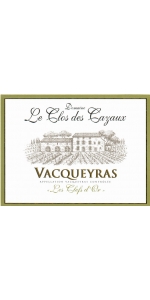
Cazaux Vacqueyras Blanc Les Clefs d'Or is made from 50% Clairette, 30% Roussanne and 20% Grenache Blanc.
A wine with lively acidity, expressive aromas of fennel and white flowers. It is long and full in the mouth with minty and anisy aromas mixed with white peach flavors. Refreshing and mineral character.
Clairette grapes are green harvested to concentrate and harmonize aroma. Each grape varietal is hand picked separately. Pressing with skin contact at low temperature. Aged 12 months in stainless steel tank. (No oak)
Enjoy this wine with all sorts of fish starters, squid salad with olive oil and basil. A must try with fresh oysters.
Review:
"Exotic citrus, pineapple, baking spices, and minty flower notes emerge from the 2023 Vacqueyras Les Clefs D'Or Blanc, a medium-bodied, juicy, lively, balanced white that has the vintage's ripe yet pure, layered, focused style. It's incredibly well done and worth your time and money."
- Jeb Dunnuck (April 1st 2025), 92 pts
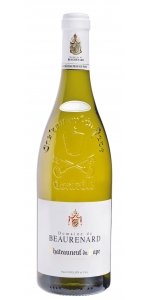
Domaine de Beaurenard Chateauneuf-du-Pape Blanc is made from Clairette blanche & Rose, Grenache Blanc & Gris, Bourboulenc, Roussanne, Picpoul and Picardan.
Gold bright green color. Expressive nose with pear and stone fruits aromas (peach, apricot) with jasmine and roasted almonds notes. The mouth is smooth and fleshy like stone fruit we can smell, with a long a nice finish.
Review:
Always terrific, the 2023 Châteauneuf Du Pape Blanc is no exception, and readers who love vibrant, age-worthy Rhône whites can safely buy this cuvée in just about every vintage. Based on 30% Clairette, 20% Grenache Blanc, 25% Bourboulenc, 22% Roussanne, and splashes of Picardan and Picpoul Blanc, the 2023 reveals a medium gold hue as well as textbook aromatics of pear and orchard fruits intermixed with honeyed flowers, chalky minerality, and subtle green almond nuances. This balanced, medium-bodied, vibrant white is very much in the fresh, focused, yet still textured, approachable style of the vintage.
-Jeb Dunnuck 93 Points
Alleme Getariako Txakolina is 100% Hondarribi Zuri
A very fruity, persistent and clean Txakoli. It reminds the white exotic fruits, such as lichy. It has a straw yellow color, without the slightest tone of rust and a faint natural gas pearl crown, due to the grape juice fermentation. In the mouth, it is greasy and unctuous, with a good balance of structure and acidity. In order to get such a Txakoli, we have combined the most traditional and the most innovative production methods to create it. Thanks to the batonnage (stirring of the lees), we have attained the characteristic unctuosity of this Txakoli.
After harvesting and pressing, the must is left to ferment in stainless steel tanks. Traditionally, and until recently, this was done in oak or chestnut barrels, called kupels, in Basque. Fermentation lasts 20–25 days and then the txacolí is left to lie on its lees. The CO2 prevents oxidation and dissolves the sediments and gives the wine its sparkling characteristic. The wines is not racked so it does not lose its sparkle and is clarified by natural sedimentation by gravity in the tank or barrel. Traditionally, the wine is tasted on the feast of San Antonio on 17 January, which is known as Txacolí Day (Txacoli Eguna, in Basque).
The Alleme Estate
Alleme is produced at Bodega Talai Berri. Located in the town of Zarautz (in the Spanish side of the Basque Country).
Zarautz is a small fishing towns on the coast of the Bay of Biscay, in the province of Guipuzcoa, Basque Country, Spain.
Built in 1992, the winery lays on the sunniest slopes of Mount Talai Mendi, surrounded by 12 ha of vineyards.
Bixente Eizagirre Aginaga represents the fourth dynasty generation, and his daughters, Itziar and Onditz, the fifth generation making Txakoli out of their vineyards fruits.
The Region
- History: The Denominación de Origen Txacolí de Getaria was created in 1990 and covers around 227 hectares of vineyards, down from over 1,000 hectares at the turn of the 20th century. However, wine had traditionally been made in this manner for hundreds of years and was popular from the Middle Ages up to the end of the 19th Century, when the vines were devastated by the phylloxera virus and the effects of industrialization of the Basque Country. There are now 26 wineries (bodegas) registered with the DO.
- The Climate: The DO area is protected from the cold northerly winds by the coastal hills, and enjoys a relatively mild climate, with an average annual temperature of 13.5°C, and moderate sunlight hours. Hail is a serious risk for the grapes. The rainfall of 1,600 mm/yr is the highest of all the Spanish wine regions.
- Grape Varietals: The only authorized grapes are Hondarrabi Zuri (white) and Hondarribi Beltza (red)
The Alleme Vineyards
The vineyards are all located near the coast where they are protected from the spring frost and from the summer heat. They are planted on the southeast facing slopes for additional protection from the sea breezes and in order to receive more sunlight. The slopes are often very steep and sometimes not terraced. The vines are trained over wires and sometimes over earthen or stone pillars. They can be anywhere between 10 and 100 meters above sealevel. The subsoil is predominantly clay covered by a layer of sandy soil.
Talai Berri owns 12 hectares.
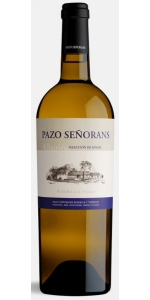
Pazo de Senorans Seleccion de Anada Albarino is made from 100 percent Albarino.
Straw yellow with greenish tints, vivid and brilliant. High intensity and very expressive. Profusion of aromas with traces of mineral. Great volume and ample body leaving a lasting impression from beginning to end.
Reviews:
I think the 2014 Albariño Selección de Añada could be the finest vintage of this characterful long-aging Albariño, from a year with a more moderate 13% alcohol and very high acidity (and low pH) that make the wine fresher and more vibrant. It is developing very slowly and showing quite young after it spent over 30 months with lees in 1,500- and 3,000-liter stainless steel tanks. It has a pale color and an elegant nose with notes of freshly cut grass, white flowers and wet granite. The palate is vibrant with effervescent acidity, and it has a long, dry and tasty finish with an austere sensation, far away from the tropical notes of some past vintages. This is superb and should continue developing nicely in bottle. Bravo! It wasn't bottled until April 2023, and 14,000 bottles were produced.
-Wine Advocate 96 Points
Tech:
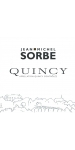
Jean-Michel Sorbe Quincy Blanc is made from 100 percent Sauvingon Blanc.
The first nose is expressive and opens up to notes of acacia, citrus (lemon, grapefruit). Full on the palate with lovely freshness. This wine boasts nice balance and good length.
The vines are 15 to 20 years old and are located on the left bank of the Cher River, southwest of Quincy. This vineyard enjoys good exposure to the sun and overlies hillocks composed of sandy alluvial deposits and gravel dating back to the Quaternary Period. Each terroir is managed with minimal intervention in an environmentally friendly approach. Vinification: Slow pressing. Fermentation took place under controlled temperatures (18°C).The wine was aged on fine lees for a minimum of 4 months. It was filtered only once before being bottled.
Pair with crustaceans, asparagus, or goat's cheeses.
After pouring, allow the wine to breathe for a few moments in the glass before enjoying so that it may fully release all of its aromas.
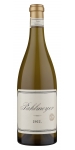
The 2022 Jayson Chardonnay achieves a beautiful equilibrium of richness, buoyancy, and intricacy. Aromas of sweet Meyer lemon, crushedalmond, and grilled pineapple lead to a concentrated palate of bright lemon curd and orange blossom honey underscored by fresh pear andtoasted nuttiness with a hint of baking spice. The texture is classic Pahlmeyer, plush and detailed, while the presence of bright Carneros fruitbrings energy and litheness. Flavors are lifted and extended on a spine of bright acidity, the lingering finish striking an ideal balance betweenopulence and mouthwatering freshness.
Review:
This generous, buttery and spicy wine is sourced from several parts of Napa Valley and brings gorgeous richness to the nose, palate and finish. Elements of brown butter, marzipan, toasted almonds and poached pears flood the flavors, with vanilla bean and a touch of sweet coconut. Barrel fermented in 36% new French oak, it’s full-bodied and nicely viscous in texture.
James Suckling 93 Points



