
" We don't sell the wine without touching the vine "
| BUY MORE! SAVE MORE! | ||||||||||||||||||||
|
| Country: | Spain |
| Region: | Getariako Txakolina |
| Winery: | Alleme |
| Grape Type: | Hondarrabi Zuri |
| Organic: | Yes |
| Vintage: | 2024 |
| Bottle Size: | 750 ml |
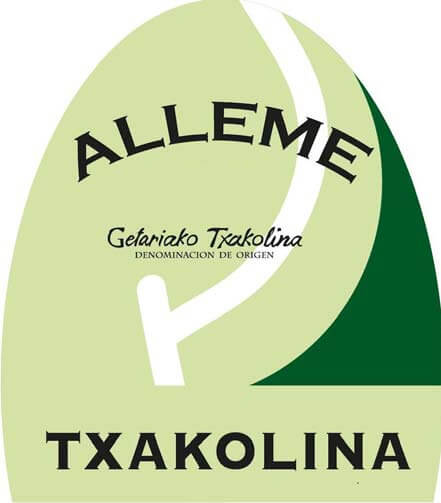
Alleme Getariako Txakolina is 100% Hondarribi Zuri
A very fruity, persistent and clean Txakoli. It reminds the white exotic fruits, such as lichy. It has a straw yellow color, without the slightest tone of rust and a faint natural gas pearl crown, due to the grape juice fermentation. In the mouth, it is greasy and unctuous, with a good balance of structure and acidity. In order to get such a Txakoli, we have combined the most traditional and the most innovative production methods to create it. Thanks to the batonnage (stirring of the lees), we have attained the characteristic unctuosity of this Txakoli.
After harvesting and pressing, the must is left to ferment in stainless steel tanks. Traditionally, and until recently, this was done in oak or chestnut barrels, called kupels, in Basque. Fermentation lasts 20–25 days and then the txacolí is left to lie on its lees. The CO2 prevents oxidation and dissolves the sediments and gives the wine its sparkling characteristic. The wines is not racked so it does not lose its sparkle and is clarified by natural sedimentation by gravity in the tank or barrel. Traditionally, the wine is tasted on the feast of San Antonio on 17 January, which is known as Txacolí Day (Txacoli Eguna, in Basque).
The Alleme Estate
Alleme is produced at Bodega Talai Berri. Located in the town of Zarautz (in the Spanish side of the Basque Country).
Zarautz is a small fishing towns on the coast of the Bay of Biscay, in the province of Guipuzcoa, Basque Country, Spain.
Built in 1992, the winery lays on the sunniest slopes of Mount Talai Mendi, surrounded by 12 ha of vineyards.
Bixente Eizagirre Aginaga represents the fourth dynasty generation, and his daughters, Itziar and Onditz, the fifth generation making Txakoli out of their vineyards fruits.
The Region
- History: The Denominación de Origen Txacolí de Getaria was created in 1990 and covers around 227 hectares of vineyards, down from over 1,000 hectares at the turn of the 20th century. However, wine had traditionally been made in this manner for hundreds of years and was popular from the Middle Ages up to the end of the 19th Century, when the vines were devastated by the phylloxera virus and the effects of industrialization of the Basque Country. There are now 26 wineries (bodegas) registered with the DO.
- The Climate: The DO area is protected from the cold northerly winds by the coastal hills, and enjoys a relatively mild climate, with an average annual temperature of 13.5°C, and moderate sunlight hours. Hail is a serious risk for the grapes. The rainfall of 1,600 mm/yr is the highest of all the Spanish wine regions.
- Grape Varietals: The only authorized grapes are Hondarrabi Zuri (white) and Hondarribi Beltza (red)
The Alleme Vineyards
The vineyards are all located near the coast where they are protected from the spring frost and from the summer heat. They are planted on the southeast facing slopes for additional protection from the sea breezes and in order to receive more sunlight. The slopes are often very steep and sometimes not terraced. The vines are trained over wires and sometimes over earthen or stone pillars. They can be anywhere between 10 and 100 meters above sealevel. The subsoil is predominantly clay covered by a layer of sandy soil.
Talai Berri owns 12 hectares.
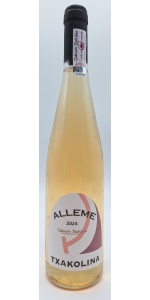
Alleme Getariako Txakolina Rosado is made from 50% Hondarrabi Zuri and 50% Hondarrabi Beltza
Limpid pink. Bright and energetic on the nose and palate, displaying vibrant, mineral-tinged cranberry, blood orange and white pepper qualities and a touch of pungent flowers. Racy and sharply focused, carrying no excess fat. Finishes tight and dry, displaying repeating citrus character and good persistence.
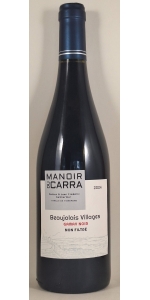
Carra Beaujolais-Villages Gamay Noir Non filtré is a new project for 2024.
We wanted a very fruity style of Beaujolais Villages using a good amount of carbonic maceration during the vinification.
The wine has a very nice ruby red color and a very pure and delicate nose of pure strawberries and cream that is very defined and seductive.
The palate is medium-bodied with crisp tannins, lively red cherry fruit and pleasing weight on the finish.
Excellent with charcuterie (garlic sausage, dry sausage, boudin noir), but also delicious with Coq au vin (Chicken cooked in a red wine sauce).
The wine will also goes well with fresh fruit and a splash of Crémant de Bourgogne for a Burgundian Sangria.
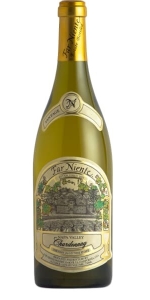
The 2024 Far Niente Winery Estate Bottled Chardonnay is a white wine from California known for its buttery and complex style, made from Chardonnay grapes grown in the Coombsville region. It features notes of citrus, melon, and pear, with a silky texture and a long, elegant finish that is complemented by hints of spice from oak aging.
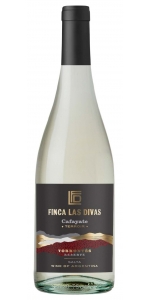
Finca las Divas Torrontes Reserve Cafayate is 100% Torrontes.
Named in honor of different divas because of the detailed attention to each varietal and plot, consequence of the terroir, origin of the Andes slopes.
Intense and bright yellow with gold hues. On the nose it offers delicate aromas, floral notes, orange peel and subtle hints of vanilla resulting from it aging on oak. On the palate it is a wine with character, with exotic and intense flavors, good acidity, with good structure and weight; fresh and balanced with a long persistence.
Pairs with fish, seafood, risotto, pasta, sushi, lamb and hard cheeses.
Review:
"The only wine in the Riglos range that doesn’t come from Gualtallary, this is a foudre fermented and aged Torrontés from Salta that’s made in the north of Argentina. Elderflower, tangerine and passion fruit flavours combine appealingly on the palate here, supported by fresh acidity and a touch of wood spices. 2025-27."
Tim Atkin (April 2024), 90 pts
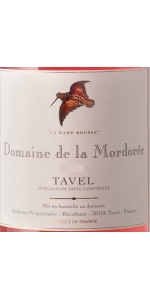
Mordoree Tavel Rose Dame Rousse is made from Grenache 60 %, Cinsault 10%, Syrah 10 %, Mourvèdre 10%, Clairette 5%, and Bourboulenc 5%.
Nose : steady rose, brilliant and limpid.
Aromas : very complex with flowers, red and white fruits aromas.
Palate : rounded, full bodied with a long lasting aniseed and fruity finish.
Ageing potential : 4 to 6 years
Surface : 9 Ha. Yield : 44 Hl./Ha. Vineyard age : 40 years Terroir : Clay / chalk and sandy with pebble stones. Harvest : by hand Vinification : 100% destemming, cold maceration during 48 h., pneumatic pressing, fermentation at 18° C. Estate bottle
Food pairing: cold meat and delicatessen, poultry, white meats, grilled meats, fried fish, fish soup, pastas, pizzas and all Asian cuisine.
Review:
The 2024 Domaine De La Mordoree Tavel La Dame Rousse is the classic base Tavel and it's based on 60% Grenache, 15% each of Cinsault and Syrah, and the rest Clairette. It’s a perfect example of this incredible appellation in the south of France, just across the river from Châteauneuf-du-Pape. Sporting a translucent ruby hue, it has a textbook Tavel nose of wild strawberries, raspberries, minty garrigue, and white flowers. It's beautifully balanced, medium-bodied, has a pure, layered mouthfeel, and outstanding length, with a clean, crisp, dry finish. Rosé doesn't get much better, and I wish I could pour this beauty for every reader interested in what Tavel offers.
-Jeb Dunnuck 94 Points
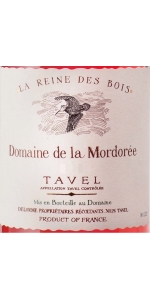
Mordoree Tavel Rose Reine des Bois is made from Grenache
Nose: Steady rose, brilliant and cristal clear.
Aromas : very complex : from flowers, white fruits and red fruits (strawberries, pomegranate, rapsberry). Slightly mentho-lated
Palate : fresh, classy, elegant, very long.
Aging capacity : 8 to 10 years.
This wine comes from a parcel planted on a pebbled soil covered with stones, whose geology is typical of the grands crus from the Rhone Valley (a base made of marine molasse from the Miocene period covered with an alpine diluvium from the Villafranchian period). 100 % destemming, cold maceration during 48 h., pneumatic pressing, fermentation at 18° C.
To pair with: roasted and or spicy chicken, duck, goose, fish soup, white meat, seafood and a lot of fishes (tuna, John Dorry, red mulet, etc...).Quite all Asian cuisine. Dishes with garlic, dishes with tomatoes.
Review:
J. Lohr Hilltop Cabernet Sauvignon is made from 94% Cabernet Sauvignon, 3% Petit Verdot, 2% Malbec, 1% Cabernet Franc.
Displays blackberry and blueberry compote aromas garnished with crushed violet, cracked pepper, and black tea. Plump fruit on the palate with fine-grained tannins. Juicy layers of black and red currants lead to a bright finish accented by pastry notes from the 16 months aging in French cooperage.
-Tasting Panel 94 Points
-Wine Enthusiast 94 Points
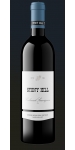
From the volcanic soils in the blocks residing at the summit of Stony Hill's vineyard, their 2019 Cabernet Sauvignon is showing beautifully. 2019 was a warm year with late spring rains and a true, dry fall finish. e late spring rains imbued wines with a characteristic freshness and tension, balanced by a generous fruit profile. Bing cherry, cassis, pomegranate seed, singed bay leaf, and cacao sings from the glass. The palate receives a structure showing breadth and presence with lacey tannins and a delicate, persistent finish.



