
" We don't sell the wine without touching the vine "
| BUY MORE! SAVE MORE! | ||||||||||||||||||||
|
| Country: | France |
| Region: | Burgundy |
| Winery: | Pernot Belicard |
| Grape Type: | Chardonnay |
| Organic: | Yes |
| Vintage: | 2022 |
| Bottle Size: | 750 ml |
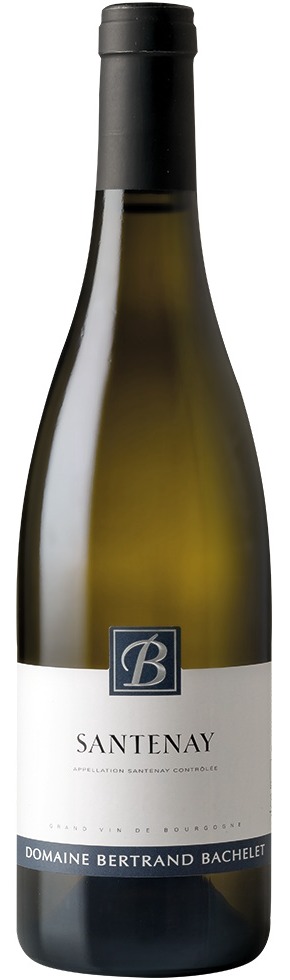
Bachelet Bertrand Santenay Blanc is made from 100 percent Chardonnay.
Tasting Notes:
The Santenay Blanc comes from a parcel that is 1.2 hectares in size (3 acres) in the village called “En Charron”, at around 300 meters above sea level, with excellent sunshine and thin limestone soil, guaranteeing great aromatic finesse.
The wine shows a beautiful golden color, a fresh and slightly roasted nose combining lemon and lime aromas with a hint of vanilla. On the palate, almond and toasted hazelnut flavors, along with notes of white flowers and vanilla nuances.
This small six-hectare domaine located in the heart of Puligny-Montrachet is making rapid strides. Philippe Pernot (a scion of the Paul Pernot dynasty) launched the Pernot-Belicard label in 2009 after marrying Miss Belicard, daughter of Mr Belicard (who owned vineyards in Puligny-Montrachet). In the vineyards, Philippe cultivates the soils, de-buds aggressively and takes pains to retain his old vines in good health. The grapes are harvested by hand, with Philippe typically among the earlier pickers in the village. Since 2014, there's more sorting, the grapes passing over a shaker table before being whole cluster pressed. Initially, the wines were bottled to make room for the new vintage, but Philippe, evidently an inquiring mind, felt that something was missing: now, the wines stay in barrel until August, but spend an additional three to six months in temperature controlled stainless steel tanks with the fine lees. The result are wines that are more integrated and complete. These are already very good wines, and Philippe possesses some enviable parcels, but it is his desire to refine and improve that marks this out as an estate to watch.

Guillemot-Michel Vire-Clesse Charleston is made from 100 percent Chardonnay.
This cuvée is produced from hundred-year old vines that the great-grandfather planted after he returned from World War I. The family wanted to honor his memory and vinify these vines the same way he did, in old demi-muids.
Charleston is a deep and complex wine that gently express itself in the glass, offering juicy white fruit flavors and a lengthy finish.
Charleston is vinified and aged for one year in demi-muids of over 10 years old. During the following harvest, the wine is racked and placed in vats for another 6 months of aging before bottling.
Fish in white sauce, poultry in creamy sauce, hard cheeses.
Review:
The 2020 Viré-Clessé Charleston is the most structured, concentrated wine in the range, mingling notions of crisp orchard and stone fruit with scents of clear honey, white flowers, beeswax and mint in an inviting bouquet. Medium to full-bodied ample and satiny, it's layered and multidimensional, with impressive depth at the core, racy acids and chalky grip. Derived from the Guillemot family's oldest parcel of vines (dating back to 1918), it's built to age.
-Wine Advocate 94 Points
Guillemot-Michel Vire-Clesse Charleston is made from 100 percent Chardonnay.
This cuvée is produced from hundred-year old vines that the great-grandfather planted after he returned from World War I. The family wanted to honor his memory and vinify these vines the same way he did, in old demi-muids.
Charleston is a deep and complex wine that gently express itself in the glass, offering juicy white fruit flavors and a lengthy finish.
Charleston is vinified and aged for one year in demi-muids of over 10 years old. During the following harvest, the wine is racked and placed in vats for another 6 months of aging before bottling.
Fish in white sauce, poultry in creamy sauce, hard cheeses.

Bachelet Bertrand Santenay Blanc is made from 100 percent Chardonnay.
Tasting Notes:
The Santenay Blanc comes from a parcel that is 1.2 hectares in size (3 acres) in the village called “En Charron”, at around 300 meters above sea level, with excellent sunshine and thin limestone soil, guaranteeing great aromatic finesse.
The wine shows a beautiful golden color, a fresh and slightly roasted nose combining lemon and lime aromas with a hint of vanilla. On the palate, almond and toasted hazelnut flavors, along with notes of white flowers and vanilla nuances.
-150x300.jpg "Bachelet Bertrand Maranges Blanc Premier Cru Fussiere 2023")
Bertrand Bachelet Maranges Blanc 1er Cru La Fussiere is made from 100 percent Chardonnay.
The Maranges appellation is the youngest of the Côte de Beaune family, making its debut in May 1989. It spans three villages, namely Dezize-lès-Maranges, Cheilly-les-Maranges and Sampigny-les-Maranges. Several hills and slopes make up this appellation, all south/south-east-facing, at an altitude of between 200 and 400 metres. The Maranges 1ers Crus are spread over seven distinct villages.
'La Fussière' is the main village of the Maranges appellation and is located in the Cheilly and Dezize-les-Maranges areas.
This wine has a pale gold robe, with plenty of sparkle. At first, the nose evokes notes of white flowers, like acacias, then the second nose delivers a flinty, slightly buttery aspect. Plenty of versatility and subtlety on the palate, with floral notes.
A good accompaniment to a cold starter or fish. Try with a slightly sharp hard cheese, such as Cantal or Gouda, to draw out its natural vivacity.

Bertrand Bachelet Maranges Rouge is made from 100 percent Pinot Noir.
The Maranges appellation is the youngest of the Côte de Beaune family, making its debut in May 1989. It spans three villages: Dezize-les-Maranges, Cheilly-les-Maranges and Sampigny-les-Maranges. Several hills and slopes make up this appellation, that are south/south-east-facing. This appellation produces mainly red wines comprising 95% of total production.
Bertrand Bachelet Maranges is produced from two villages, Aux Artaux and En Crevèches, both situated in the Cheilly-les-Maranges area. The vineyards spreads over 1.42 hectare (3.50 acres).
The wine offers a deep red color with purplish highlights, a powerful nose with aromas of raspberries, blackcurrants, and small red candied fruits. A silky texture, fresh and elegant on the palate.
Ideally paired with red meat or a more exotic dish, such as nems, grilled ribs or braised pork.
Bertrand Bachelet Maranges Rouge is made from 100 percent Pinot Noir.
The Maranges appellation is the youngest of the Côte de Beaune family, making its debut in May 1989. It spans three villages, namely Dezize-lès-Maranges, Cheilly-les-Maranges and Sampigny-les-Maranges. Several hills and slopes make up this appellation, all south/south-east-facing, at an altitude of between 200 and 400 metres. The Maranges 1ers Crus are spread over seven distinct villages.
'La Fussière' is the main village of the Maranges appellation and is located in the Cheilly and Dezize-les-Maranges areas.
When young, ideal with meat such as a rib of beef or filet mignon; when aged, it pairs wonderfully with dishes in spicy sauces.

Bertrand Bachelet Saint-Aubin 1er Cru En Remilly is made from 100 percent Chardonnay.
Saint-Aubin is situated in the heart of the Côte des Blancs, between Chassagne-Montrachet and Puligny-Montrachet; both white and red wines are produced here but Chardonnay remains predominant. The Saint-Aubin appellation covers a wide area, with an altitude ranging from 300 to 450 meters, and with very varied expositions and soils, which makes each climat unique.
Saint-Aubin En Remilly is located in the south-east of Gamay, a hamlet near the village of Saint Aubin and next to the Puligny-Montrachet et Chassagne-Montrachet appellations. This area benefits from a south-western exposition.
The wine offers a pale yellow color, with gold nuances; a mineral nose, a dense texture on the palate, bringing together substance and tension.
Perfect as an aperitif, pairs very well with firm-textured fish or with shellfish.
Bertrand Bachelet Maranges Rouge is made from 100 percent Pinot Noir.
The Maranges appellation is the youngest of the Côte de Beaune family, making its debut in May 1989. It spans three villages: Dezize-les-Maranges, Cheilly-les-Maranges and Sampigny-les-Maranges. Several hills and slopes make up this appellation, that are south/south-east-facing. This appellation produces mainly red wines comprising 95% of total production.
Bertrand Bachelet Maranges is produced from two villages, Aux Artaux and En Crevèches, both situated in the Cheilly-les-Maranges area. The vineyards spreads over 1.42 hectare (3.50 acres).
The wine offers a deep red color with purplish highlights, a powerful nose with aromas of raspberries, blackcurrants, and small red candied fruits. A silky texture, fresh and elegant on the palate.
Ideally paired with red meat or a more exotic dish, such as nems, grilled ribs or braised pork.

Laurent-Perrier Cuvee Rose NV is made Pinot Noir from 10 crus in the Montagne de Reims
The Cuvée Rosé from Laurent-Perrier is the most recognized rosé champagne in the world. The house uses its proprietary maceration technique and the wine is crafted for a fragrance and not mixed for a color. Held in an elegant bottle inspired by King Henri IV, it has been widely acknowledged for its consistent high quality for more than 40 years, and it is the benchmark for rosé champagne around the world.
Laurent-Perrier Cuvée Rosé is truly remarkable for its highly expressive bouquet, stemming from very careful preservation of fresh fruit aromas during the wine making. Made with 100% Pinot Noir from 10 different "crus " (or villages), from the North and South areas of the Montagne de Reims, as well as the famous village of Bouzy. Grapes from carefully selected plots are meticulously sorted and de-stemmed before going into the vats, and the controlled maceration helps with the color extraction and the development of the full aromatic richness of the Pinot Noir.
Intensely fruity flavors, clean and slightly sharp, the wine opens to the sensation of freshly picked red berries: strawberries, Morello cherries, black currants and raspberries. The finish is supple and rounded.
Its aromatic depth makes it ideal for pairing with marinated raw fish, grilled prawns, exotic dishes, Parma ham and red fruit desserts. Those who are more daring will try it with Asian or Indian cuisine.
Review:
Generosity no less than grace defines this 100% Pinot Noir from ten different crus primarily in the Montagne de Reims. Slightly coppery salmon-pink in the glass, it displays a radiant nose of ripe red berries that pop against glimmers of spiced biscotti and roasted cashew. On a broad palate of pure silk, raspberry and black cherry are underlined by blood-orange rind and crushed rock before a long, almost voluptuous finish that's slightly savory with dried mint.
-Tasting Panel 97 Points

Weinkeller Erbach Riesling (liter) is 100 percent Riesling.
Round and refreshing wine with light touches of lemon and lime on the nose. Slightly sweet mouthfeel, with juicy and fruity flavors.



