
" We don't sell the wine without touching the vine "
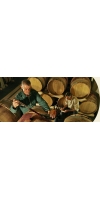
In the 14th century, during their stays in Avignon, the popes – and especially Pope John XXII – built a papal castle in Châteauneuf-du-Pape. Impressed by the area's exceptional soils, they established vineyards on the slopes surrounding the château and were instrumental in promoting the local wine's reputation around the world.
Domaine de Beaurenard in Châteauneuf-du-Pape has been a family-run estate for seven
generations.
A notarial act dated 16 December 1695 mentions “Bois Renard”, which over time has become “Beaurenard”.
The Coulon brothers, Daniel and Frédéric, have taken over from Paul and Régine and are striving to sustain tradition.
The estate covers 32 hectares (a little under 80 acres) of vines in Châteauneuf-du-Pape and 25 hectares in the Côtes du Rhône Villages Rasteau AOC area.
The pebbles the 13 grape varieties the sun and the Mistral have been joining forces for centuries to give birth to each vintage of the Châteauneuf du Pape appellation. The terroir of Châteauneuf-du-Pape is unique: here the large sun-warmed stones diffuse a gentle, providential heat that helps the grapes to mature and their juice to concentrate. The Domaine is home to the " Symphony of 13 varieties" typical of this AOC, which provide aromatic complexity, strength and balance.
For the red wines, four varieties dominate : Grenache, Syrah, Mourvèdre and Cinsault, supplemented by Counoise, Muscardin, Terret Noir and Vaccarèse. The whites are made from white-grape vines : Clairette, Roussane, Bourboulenc, Grenache Blanc, Picardan and Picpoul.
All of Domaine de Beaurenard's vines (60ha) are cultivated organically (Ecocert certified) and even biodynamically (Demeter certified), without synthetic chemicals. The vines are thus attuned to nature, lunar and planetary cycles, and the rhythms of the cosmos.
At key moments, we apply biodynamic preparations (born dung, dung compost, silica, etc.) that strengthen the vines's natural defences. To further fortify them, plant-tea sprays (nettle,yarrow,horsetail,camomile...) are regularly dispensed. In the vineyatds, these methods involve working the soil without herbicides, spreading carefully-dynamised manure, and maintaining sensible grass cover (according to climatic conditions).
The creation of a conservatory with the 13 grape varieties allowed by the appellation, procured from the estate's oldest vines, also promotes biodiversity. The varieties were selected over a five-year period and splice-grafted in aplot where the soil had been resting for 12 years.In doing this, we aimed primarily to safeguard a natural genetic heritage that is particularly well adapted to the terroir. But we were also mindful of future generations; and of being able, if global warning continues, to increase the proportion of varieties that contain less sugar ( and so less alcohol) and contribute aromatic complexity.
Meticulous work is performed all around the years, and particularly during four intense periods :
Pruning is done solely by the estate staff: each person tends to the same plot over the long term, crafting their vines like sculptures.
Debudding of all the vines: this prevents leaf build-up around the bunches, ensure small yields, and ventilates the vine-trunks by letting natural light through. Several other jobs are also done while the grapes are still unripe: placing the shoots between the trellis wires, to which they are then fastened; and green harvesting if necessary.
Soil-working and controlled grass cover are supplemented by a team of seasonal workers who, during long weeks, hoe between the vines – a very strenuous, painstaking job in our stony soils.
Harvesting with all grapes hand-picked and sorted.
This type of extremely precise cultivation and monitoring means we obtain healthy grapes, the only way to make wines of high-quality and concentration.
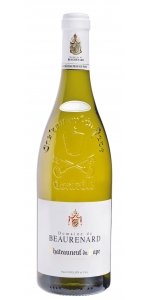
Domaine de Beaurenard Chateauneuf-du-Pape Blanc is made from Clairette blanche & Rose, Grenache Blanc & Gris, Bourboulenc, Roussanne, Picpoul and Picardan.
Gold bright green color. Expressive nose with pear and stone fruits aromas (peach, apricot) with jasmine and roasted almonds notes. The mouth is smooth and fleshy like stone fruit we can smell, with a long a nice finish.
Review:
Always terrific, the 2023 Châteauneuf Du Pape Blanc is no exception, and readers who love vibrant, age-worthy Rhône whites can safely buy this cuvée in just about every vintage. Based on 30% Clairette, 20% Grenache Blanc, 25% Bourboulenc, 22% Roussanne, and splashes of Picardan and Picpoul Blanc, the 2023 reveals a medium gold hue as well as textbook aromatics of pear and orchard fruits intermixed with honeyed flowers, chalky minerality, and subtle green almond nuances. This balanced, medium-bodied, vibrant white is very much in the fresh, focused, yet still textured, approachable style of the vintage.
-Jeb Dunnuck 93 Points
Pierinvaletta Arneis Langhe Hills is made from 100% Arneis
No oak. Aged on the lees for 4 months in Stainless Steel Tan
Fresh, fruity, mineral.
Pierin Valetta is one of the ancestor of the Family and these wines are dedicated to him as we would like to thank him for giving us vineyards that reach up to 70 years old.
Made from 20 years old vines planted on Limestone soils.
No Oak. The wine was aged on the lees for 4 months in Stainless Steel Tanks.
Wine was slightly filtered before bottling.
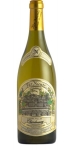
The 2024 Far Niente Winery Estate Bottled Chardonnay is a white wine from California known for its buttery and complex style, made from Chardonnay grapes grown in the Coombsville region. It features notes of citrus, melon, and pear, with a silky texture and a long, elegant finish that is complemented by hints of spice from oak aging.



