
" We don't sell the wine without touching the vine "
| BUY MORE! SAVE MORE! | ||||||||||||||||||||
|
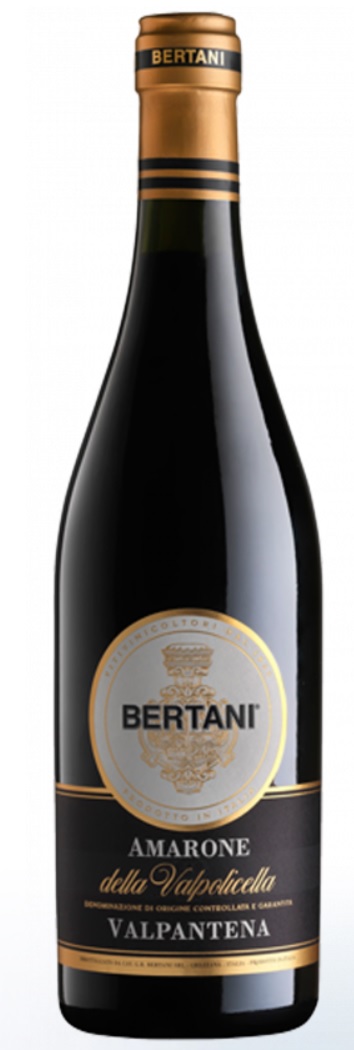
Bertani Valpantena Amarone is made from 80% Corvina Veronese, 20% Rondinella.
The best grapes are selected so that only the healthiest and ripest bunches are sent to the drying rooms in the historic winery at Grezzana, where they are laid out in single-layer crates. In mid- January, the grapes are destemmed and crushed, then fermentation starts, at first at a temperature of 39°F- 41°F, which then reaches 72°F in the final stages.
WINEMAKING
The vines are vertical-trellised and Guyot-trained, with a planting density of 2024 plants per acre. Hand harvest is carried out in the middle of September.
This amarone is produced in the Valpantena hills, north of Verona. The soils are calcareous-marl in the east and calcareous-clay in the west, rich in iron.
TERROIR & VINTAGE NOTES
Bertani’s impact on Veneto wine making, particularly in Amarone production, is so considerable that ‘Bertani’ and ‘Amarone’ are nearly synonymous. Their 150+ year history is dotted with groundbreaking initiatives and royal accreditation. While respectful of their past, Bertani strives towards innovation, using progressive techniques and equipment allied with extensive experience and a deeply felt respect for tradition to provide wines of uncompromising quality.
On the nose, marked and intense aromas of very ripe cherries, sour cherries, spicy and nutty notes typical of the Valpantena. Good follow-through of red fruits on the palate, with supple tannins to give depth. This full bodied wine pairs well with rich dishes, mature cheeses and strong-flavored meats.
Bertani was founded in 1857 by brothers Gaetano and Giovan Battista Bertani. Prosperous wine merchants who believed that quality winemaking held the key to the future, the Bertanis invested their funds in buying some of the finest vineyards in the province and making their own wines. Consequently, unlike many other local producers, Bertani owns its own vineyards and so is able to oversee the entire winemaking cycle from start to finish. Recognition and success followed swiftly as Bertani became one of the first Veronese producers to export its wines on a significant scale. In the early years Bertani spearheaded a campaign to underscore the potential of Verona's Valpolicella Valpantena wine district. The release of its Secco-Bertani Valpantena brand, still in production over 150 years later, is responsible for putting this DOC on the map. The late 1950s saw Bertani take center stage again, with the launch of a new-style Recioto della Valpolicella. Through the introduction of longer aging techniques, this traditionally sweet or sparkling red wine was dramatically transformed into the dry, opulent red we know today as Amarone, one of Italy's most revered red wines. Recent years have been no less eventful. In 1986 an extraordinary cache of 1928 Recioto della Valpolicella Acinatico was discovered, bricked up behind the walls of a farmhouse on a Bertani estate where it had lain undisturbed since the twilight years of World War II. Tastings by experts confirm that the wine's quality remains intact. A superb vintage, as exceptional as it is rare, it is served exclusively at charity events hosted by Bertani. To maintain its extensive vineyards, Bertani engages the skills of some of Italy's most eminent viticulturalists. From its vineyards to its cellars, Bertani offers a fascinating and memorable introduction to Veronese winemaking at its best, where progressive techniques and equipment are allied with extensive experience and a deeply felt respect for tradition.
Salvaterra Amarone della Valpolicella Classico is made from 65% Corvina, 20% Corvinone, 10% Rondinella, 5% Oseleta.
Perfume of cherries, cocoa, tobacco and black pepper. On the palate it is complex and deep, elegant and robust at the same time, harmonious and with an excellent tannin.
Amarone della Valpolicella Classico is "the essence of the territory", structured but also fresh at the same time.
Pairs with red meats, aged cheese, dark chocolate, cigars.
Review:
Abundant lively red cherries, plums and mellow milk choolate with a energetic and powerful structure, an elegant frame of velvety tannins and an attractive balsamic finish.
-Decanter 96 Points
Luis Canas Rioja Blanco is made from 90% Viura and 10% Malvasia (60+ years old vines)
Barrel fermented for 3.5 months in new French oak barrels.
Alcohol: 13,5º
Total acidity: 6,5 g./l.
Volatile acidity: 0,25 g./l.
PH: 3,40
Free SO2: 25 mg./l.
Grapes harvested in small boxes to be selected manually on the table, bunch by bunch.
Beautiful golden yellow, with bright lemony highly-luminous reflections. The nose is fine, with great elegance, combined with floral and fruity tones.
The palate is dry with a crisp acidity that gives its freshness and vivacity, a structured and tasty finish of ripe fruit.
We recommend that you taste it at 8°C.
It is appropriate to accompany shellfish, crustaceans and grilled white fish or fish stews. It also blends elegantly with rice, soft cheeses, blue cheeses, all kinds of mushrooms and fresh fruit.
Far Niente Post & Beam Napa Cabernet Sauvignon is made from 100 percent Napa Cabernet Sauvignon.
At Post & Beam, we make wines of pure expression, built on generations of hands-on experience producing acclaimed Cabernet Sauvignon and Chardonnay. Backed by the expertise and legacy of Far Niente Wine Estates, we use time-honored techniques to make exceptional wines that can be enjoyed upon release. Our expertise of winemaking at the highest level has enabled us to create wines that seamlessly unite tradition and modernity.
The 2022 Post & Beam Cabernet Sauvignon displays seductive aromas of briar patch and plum sauce on the nose before leading onto a palate that is well-structured yet elegant. Round and textured on the palate, the entry is layered with cassis and blackberry. The finish exudes vanilla, mocha, and cocoa flavors alongside resolved tannins.
Review:
Richly appointed, with dark blue and purple fruit and a plush mouthfeel. Notes of plum liqueur and freshly roasted coffee grace the palate as dark chocolate and anise entwine with the wine's well-defined structure and satin-lined tannins. Spiced red tea and sandalwood engage with more chocolate on the finish.
-Tasting Panel 95 Points
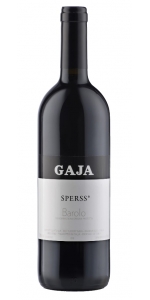
Gaja Sperss is made from 100 percent Nebbiolo.
Vibrant and intense notes of herbs and spices such as thyme, cloves and black pepper. On the palate the wine is tense, loaded with energy that will need serious ageing to fully develop although extremely approachable in its youth. Impressive fruit concentration, with dark and ripe fruits – prunes and black cherries. Acidity and tannins lift this wine to its freshest expression.
Nebbiolo based wines have not only complexity and structure but also great elegance and finesse. The distinctive silky tannins of the Nebbiolo make it the right wine to drink with meat. Usually a young vintage goes very well with richer dishes because of the stronger tannins; mature Barolos are more suitable with delicate white meat courses or braised meat courses with sauces or concentrated red wines reductions.
Review:
The 2019 Barolo Sperss is rich with dark mineral earth, black cherry, and Earl Grey tea. Long and mouthwatering, it has a powerful structure while retaining finesse. It is fantastically balanced, with gripping tannins, fresh acidity, and notes of forested earth and ripe red berries. A wine for the long haul, this is another great and noble wine to drink over the coming three decades.
-Jeb Dunnuck 99 Points
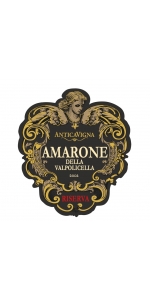
Antica Vigna Amarone della Valpolicella Riserva is made from 65% Corvina, 20% Rondinella, 10% Corvinone, 5% Merlot.
Amarone DOCG has maintained unchanged its typicality, so that “the essence of the territory” of Valle di Mezzane and Cazzano di Tramigna powerfully emerges. Rich in color, firmly structured but with fresh notes.
WINEMAKING AND AGING:
Manual harvest early October with selection of the best bunches.
Drying: natural drying in fruit cellar for 3/4 months with a sharp drop in weight of around 30%.
Vinification: soft crushing of destemmed grapes in the months of January and February.
Fermentation: at a controlled temperature of 18/21°C. Fermentation time: about 30 days
Aging:· 80% in oak barrels for 30 months of which 2/3 in American and French barriques, half of which are used for the second and third time, 1/3 in large
THE TERRITORY:
Geographical location: Tenuta di Mezzane, Tenuta di Cazzano di Tramigna
Height: 350/400 meters asl
Exposure: south
Soil type: limestone
Vineyard training system: guyot and pergola
Vine planting year: from 1972 to 2009
Vine density: 4,000 to 5,400 vines per hectare Vineyard management: sustainable agriculture and great attention to natural
cycles
Pairs well with grilled and roasted meats, as well as cheese.
Timeless Notes:
Dark cherry in color, firm on the palate with a vibrant acidity underbelly. Thought lush on the palate the flavors are complex and elegant from entry to mid-palate with hints of currant and wild berries. The finish brings in a touch of tobacco and leather notes ,classic examples of this region, with more ripe fruit flavors that linger on long strain tannin finish. Complex with depth and elegance on the palate. This one is drinking now, but can handle more time in the cellar with ease. An excellent value in the Riserva category.
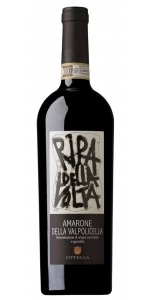
Ripa Della Volta Amarone della Valpolicella 70% Corvina, 20% Corvinone, 5% Oseleta and 5% Spigamonte.
The vineyards are located at an elevation of 300-600 metres above sea level, with a south-southwesterly exposure. Training system: Guyot.
It features an intense red color with garnet highlights. The nose offers up a rich variety of aromas with fruity notes of cherries, morello cherries and plums, spices and hints of chocolate. It is round and caressing with soft, mellow tannins balanced by excellent acidity that enhances its drinkability and ageing potential.
It is a wine with a marked personality, great finesse, elegance, and extraordinary longevity.
It pairs well with main dishes such as game and roasts, but also cured meats and mature cheese.
Review:
Strong, dark ruby with a light garnet edge. Intense and very clearly defined nose with notes of ripe plums, dark forest raspberries and some tobacco in the background. Round on the palate with plenty of supple tannin, pleasantly dry, firm pressure in the finish.
-Falstaff 92 Points
Salvaterra Amarone della Valpolicella Classico is made from 65% Corvina, 20% Corvinone, 10% Rondinella, 5% Oseleta.
Perfume of cherries, cocoa, tobacco and black pepper. On the palate it is complex and deep, elegant and robust at the same time, harmonious and with an excellent tannin.
Amarone della Valpolicella Classico is "the essence of the territory", structured but also fresh at the same time.
Pairs with red meats, aged cheese, dark chocolate, cigars.
Review:
Abundant lively red cherries, plums and mellow milk choolate with a energetic and powerful structure, an elegant frame of velvety tannins and an attractive balsamic finish.
-Decanter 96 Points
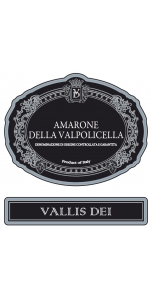
Cantina di Verona Amarone Valpolicella Vallis Dei is made from 65% Corvina Veronese, 30% Rondinella, 5% Molinara
Color: deep ruby red
Nose: Dried prune and blackberry with hints of vanilla and spice
Mouth: It is generously structured and velvety.
Yield: 8000 kg of grapes per hectar – after which the grapes are dried “appassimento”
Grapes are raisin-dried for at least 4 months after harvesting, losing at least 40% of their weight. It is made from selected grapes which are left to dry on racks in specially ventilated rooms until the end of winter.
Fermentation temperature between 18° and 22°C
Maceration time: 20 days
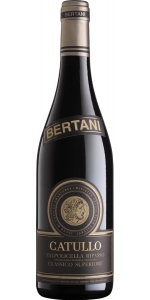
Bertani Valpolicella Ripasso Classico Superiore Catullo is made from 70% Corvina Veronese, 20% Corvinone, 10% Rondinella. Valpolicella Classica, Tenuta Novare Estate in Arbizzano di Negrar.
Wine of medium structure with elegant spicy notes of vanilla and chocolate accompanied by typical notes of cherry, sour cherry and white pepper. The palate offers the easy drinkability typical of Valpolicella and, at the same time, silky tannic structure and intense, prolonged aromatic persistence. The finish is fresh, soft and savory. A wine in the classic style, elegant, balanced, harmonious.
Review:
If I was forced to choose a number of wines that can steer the anachronistic Ripasso category into a brighter future, this would be among a very few. A mid-weighted, streamlined expression with just enough fruit on the bones. Think strawberries, lilacs, Asian plums, cloves and a hint of licorice. A noble, almost alpine bitterness lifts the finish. Brilliant. Drink or hold.
-James Suckling 95 Points
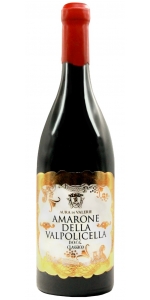
The first kosher Amarone! Amarone undergoes a very unique process prior to fermentation. In late October, grapes are harvested and allowed to dry for around 120 days. Known as the “appassimento” technique, the drying process traditionally occurs on straw mats or in temperature controlled drying chambers. This process helps concentrate the juices and increases skin contact, giving the wine a very ripe, full-bodied flavor. There is no other wine like it! The unique flavors of Amarone, including dark chocolate, coffee, dark fruit and light notes of cherry, pair beautifully with steak, stews, and bold cheeses.
The color is deep bright, ruby red with a violet edge. Powerful bouquet and intense aromas of cherry, ripe plum, toasted almond, and vanilla. A full bodied wine with round and rich flavor.
Chavy-Chouet Bourgogne Blanc Femelottes is made form 100 percent Chardonnay.
This is a charming, rich, focused and delightful white. Medium-bodied with a smooth texture, the wine has a fresh backbone of acidity, clean apple and citrus flavors, and an excellent balance. A most refreshing quaff and one that is great value. A delicate, expressive wine of exceptional quality.
The grapes from this wine are grown from the Puligny-Montrachet area. (either outside of the AOC limit or with younger vines).
The grapes from this wine are grown from the Puligny-Montrachet area. (either outside of the AOC limit or with younger vines).
Aged 10 months in oak barrels (10% new, the rest in 2-3 year old barrels).

Larroque Bordeaux Blanc is made from 73% Sauvignon Blanc and 27% Colombard.
No oak.
Color : Pale yellow with green tints.
Nose : Complex aromas of white flowers, exotic fruits, citrus and boxwood, with a touch of minerality.
Mouth : Aromatic, with a nice richness and freshness. Predominant flavors of tart, crisp fruit.
Marie-Christine, the daughter of Henri Ducourt, purchased this prestigious left-bank property in 1979, which lies on the border of the Graves appellation.
The 60-hectare vineyard was rapidly replanted and the château building, which dates from 1348, was restored.
Our family now produces three different-colored wines there: red, white and rosé.
Grown on loamy-clay soil.
Harvest : Machine harvesting in the cool, early morning
Maceration : Skin-contact maceration for several hours, depending on ripeness, and pressing
Fermentation : Beginning of the cold alcoholic fermentation (12°C / 53°F) then an increase in temperature to finish the fermentation at 20°C / 68°F.
Enjoy this wine as an aperitif or during the meal with fish, seafood or chicken salad.



