
" We don't sell the wine without touching the vine "
| Country: | France |
| Region: | Burgundy |
| Winery: | Pernot Belicard |
| Grape Type: | Chardonnay |
| Organic: | Yes |
| Vintage: | 2021 |
| Bottle Size: | 750 ml |
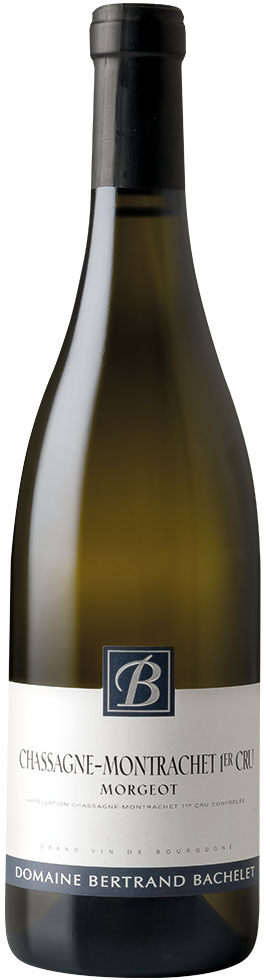
Bertrand Bachelet Chassagne Montrachet Premier Cru Morgeot is made from 100 percent Chardonnay.
The Chassagne-Montrachet appellation is located in the southern part of the Côte de Beaune and produces mainly white wines.
'Morgeot' is located in the south of the village, characterized by compact limestone soil containing iron oxide, which gives the soil its particular red-brown color.
The wine offers a golden color, a subtle nose of white flowers and honey notes. Full-bodied and well-structured on the palate.
The softness of the Chardonnay on the palate makes an interesting pairing with cooked foie gras; it also sits well with lobster, spiny lobster, or even morel mushroom dumplings or Bresse chicken in a cream sauce.
Bertrand Bachelet Maranges Rouge 1er Cru Les Clos Roussots is made from 100 percent Pinot Noir.
The Maranges appellation is the youngest of the Côte de Beaune family, making its debut in May 1989. It spans three villages: Dezize-lès-Maranges, Cheilly-les-Maranges and Sampigny-les-Maranges. Several hills and slopes make up the appellation; they face south/south-east, at an altitude of between 200 and 400 meters. This appellation produces mainly red wines comprising 95% of total production.
The Maranges 1ers Crus are spread over seven distinct terroirs: "Les Clos Roussots", which represents the second largest terroir of the appellation, spans the Cheilly-les-Maranges and Sampigny-les-Maranges areas.
The wine boasts a beautiful bright red color. The nose provides subtle harmony between red and black fruits, spices and vanilla. On the palate, this wine is both solid and fresh, harmonious and bold.
Enjoy with a veal roast and sweet potatoes or matured cheeses.
-150x300.jpg "Bachelet Bertrand Maranges Blanc Premier Cru Fussiere 2023")
Bertrand Bachelet Maranges Blanc 1er Cru La Fussiere is made from 100 percent Chardonnay.
The Maranges appellation is the youngest of the Côte de Beaune family, making its debut in May 1989. It spans three villages, namely Dezize-lès-Maranges, Cheilly-les-Maranges and Sampigny-les-Maranges. Several hills and slopes make up this appellation, all south/south-east-facing, at an altitude of between 200 and 400 metres. The Maranges 1ers Crus are spread over seven distinct villages.
'La Fussière' is the main village of the Maranges appellation and is located in the Cheilly and Dezize-les-Maranges areas.
This wine has a pale gold robe, with plenty of sparkle. At first, the nose evokes notes of white flowers, like acacias, then the second nose delivers a flinty, slightly buttery aspect. Plenty of versatility and subtlety on the palate, with floral notes.
A good accompaniment to a cold starter or fish. Try with a slightly sharp hard cheese, such as Cantal or Gouda, to draw out its natural vivacity.
Bertrand Bachelet Maranges Rouge 1er Cru Les Clos Roussots is made from 100 percent Pinot Noir.
The Maranges appellation is the youngest of the Côte de Beaune family, making its debut in May 1989. It spans three villages: Dezize-lès-Maranges, Cheilly-les-Maranges and Sampigny-les-Maranges. Several hills and slopes make up the appellation; they face south/south-east, at an altitude of between 200 and 400 meters. This appellation produces mainly red wines comprising 95% of total production.
The Maranges 1ers Crus are spread over seven distinct terroirs: "Les Clos Roussots", which represents the second largest terroir of the appellation, spans the Cheilly-les-Maranges and Sampigny-les-Maranges areas.
The wine boasts a beautiful bright red color. The nose provides subtle harmony between red and black fruits, spices and vanilla. On the palate, this wine is both solid and fresh, harmonious and bold.
Enjoy with a veal roast and sweet potatoes or matured cheeses.
Bertrand Bachelet Maranges Rouge is made from 100 percent Pinot Noir.
The Maranges appellation is the youngest of the Côte de Beaune family, making its debut in May 1989. It spans three villages, namely Dezize-lès-Maranges, Cheilly-les-Maranges and Sampigny-les-Maranges. Several hills and slopes make up this appellation, all south/south-east-facing, at an altitude of between 200 and 400 metres. The Maranges 1ers Crus are spread over seven distinct villages.
'La Fussière' is the main village of the Maranges appellation and is located in the Cheilly and Dezize-les-Maranges areas.
When young, ideal with meat such as a rib of beef or filet mignon; when aged, it pairs wonderfully with dishes in spicy sauces.
Bertrand Bachelet Maranges Rouge is made from 100 percent Pinot Noir.
The Maranges appellation is the youngest of the Côte de Beaune family, making its debut in May 1989. It spans three villages, namely Dezize-lès-Maranges, Cheilly-les-Maranges and Sampigny-les-Maranges. Several hills and slopes make up this appellation, all south/south-east-facing, at an altitude of between 200 and 400 metres. The Maranges 1ers Crus are spread over seven distinct villages.
'La Fussière' is the main village of the Maranges appellation and is located in the Cheilly and Dezize-les-Maranges areas.
When young, ideal with meat such as a rib of beef or filet mignon; when aged, it pairs wonderfully with dishes in spicy sauces.
Bertrand Bachelet Chassagne Montrachet Premier Cru Morgeot is made from 100 percent Chardonnay.
The Chassagne-Montrachet appellation is located in the southern part of the Côte de Beaune and produces mainly white wines.
'Morgeot' is located in the south of the village, characterized by compact limestone soil containing iron oxide, which gives the soil its particular red-brown color.
The wine offers a golden color, a subtle nose of white flowers and honey notes. Full-bodied and well-structured on the palate.
The softness of the Chardonnay on the palate makes an interesting pairing with cooked foie gras; it also sits well with lobster, spiny lobster, or even morel mushroom dumplings or Bresse chicken in a cream sauce.
This small six-hectare domaine located in the heart of Puligny-Montrachet is making rapid strides. Philippe Pernot (a scion of the Paul Pernot dynasty) launched the Pernot-Belicard label in 2009 after marrying Miss Belicard, daughter of Mr Belicard (who owned vineyards in Puligny-Montrachet). In the vineyards, Philippe cultivates the soils, de-buds aggressively and takes pains to retain his old vines in good health. The grapes are harvested by hand, with Philippe typically among the earlier pickers in the village. Since 2014, there's more sorting, the grapes passing over a shaker table before being whole cluster pressed. Initially, the wines were bottled to make room for the new vintage, but Philippe, evidently an inquiring mind, felt that something was missing: now, the wines stay in barrel until August, but spend an additional three to six months in temperature controlled stainless steel tanks with the fine lees. The result are wines that are more integrated and complete. These are already very good wines, and Philippe possesses some enviable parcels, but it is his desire to refine and improve that marks this out as an estate to watch.
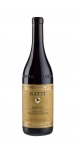
Renato Ratti Rocche dell'Annunziata Barolo is made from 100 percent Nebbiolo. Grapes handpicked in the month of October, de-stemmed and pressed. The alcoholic fermentation takes place in temperature-controlled stainless steel containers. Contact with the skins lasts approximately three to four weeks and includes fermentation and subsequent post-fermentation maceration with the traditional submerged cap system. The malolactic fermentation takes place in steel containers.
The Rocche dell'Annunziata vineyard is historically known as one of the most important in the Barolo zone. In his Barolo Chart, Renato Ratti had already underscored this by entering it in the 1st Category class. Situated at about 300 meters above sea level and with a south-east exposure, it extends over approximately 1 hectare. Rich with typical blue marl interspersed between veins of sand, the earth confers an extraordinary elegance and depth, combined with fine and persistent scents of roses and licorice. A prestigious subzone engenders a Barolo that holds within it suggestions of a radiant future. Warm, persistent, rich: in a word, sumptuous.
The label bears the coat of arms of the local noble family, with a black hawk against a gilt backdrop. The Latin inscription “Probasti me et cogniusti me” means “You tried me, you knew me.”
The Bottle: The Albeisa – named after the city of Alba – is the iconic bottle created by Renato Ratti in 1973, desired as a way of identifying the uniqueness of a territory and its wines.
A garnet red. Delicate and persistent fragrance with trace scents of licorice, rose and violet. Full-flavored, warm, with extremely elegant tannins offering long persistence. A great wine for important dishes, red meats roasted on a spit or grilled, game, dishes of gourmet white and red meats and ripe cheeses.
Review:
Lots of dried flowers here give a perfumed nature to it with berries and citrus. Hibiscus water, too. Full-bodied and chewy with lots of tannins and vivid acidity. Subtle plum and strawberry character. Muscular and formed..
-James Suckling 97 Points
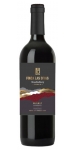
Finca las Divas Malbec Reserve Gualtallary 2022 is 100% Malbec.
Named in honor of different divas because of the detailed attention to each varietal and plot, consequence of the terroir, origin of the Andes slopes.
Deep violet red in color, its aromas are intense and concentrated, with hints of black and red fruits with smoky touches obtained during its oak aging.
In the mouth it is persistent, full of juicy yet firm tannins and balanced acidity. It is frank and expressive, modern and of great personality.
Pairs with red meat, pasta with tomato sauce and hard cheeses.



