
" We don't sell the wine without touching the vine "
| BUY MORE! SAVE MORE! | ||||||||||||||||||||
|
| Country: | France |
| Region: | Burgundy |
| Winery: | Pernot Belicard |
| Grape Type: | Pinot Noir |
| Organic: | Yes |
| Vintage: | 2022 |
| Bottle Size: | 750 ml |
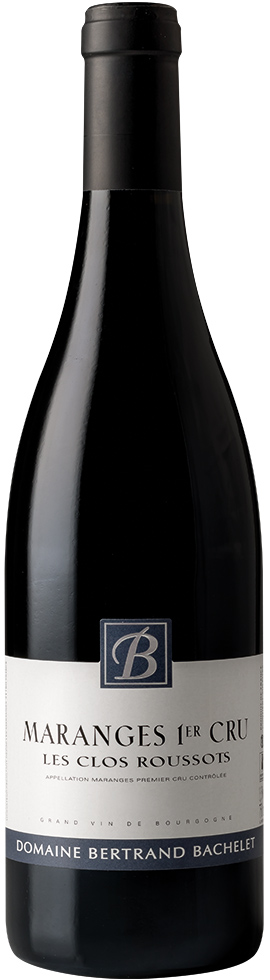
Bertrand Bachelet Maranges Rouge 1er Cru Les Clos Roussots is made from 100 percent Pinot Noir.
The Maranges appellation is the youngest of the Côte de Beaune family, making its debut in May 1989. It spans three villages: Dezize-lès-Maranges, Cheilly-les-Maranges and Sampigny-les-Maranges. Several hills and slopes make up the appellation; they face south/south-east, at an altitude of between 200 and 400 meters. This appellation produces mainly red wines comprising 95% of total production.
The Maranges 1ers Crus are spread over seven distinct terroirs: "Les Clos Roussots", which represents the second largest terroir of the appellation, spans the Cheilly-les-Maranges and Sampigny-les-Maranges areas.
The wine boasts a beautiful bright red color. The nose provides subtle harmony between red and black fruits, spices and vanilla. On the palate, this wine is both solid and fresh, harmonious and bold.
Enjoy with a veal roast and sweet potatoes or matured cheeses.
This small six-hectare domaine located in the heart of Puligny-Montrachet is making rapid strides. Philippe Pernot (a scion of the Paul Pernot dynasty) launched the Pernot-Belicard label in 2009 after marrying Miss Belicard, daughter of Mr Belicard (who owned vineyards in Puligny-Montrachet). In the vineyards, Philippe cultivates the soils, de-buds aggressively and takes pains to retain his old vines in good health. The grapes are harvested by hand, with Philippe typically among the earlier pickers in the village. Since 2014, there's more sorting, the grapes passing over a shaker table before being whole cluster pressed. Initially, the wines were bottled to make room for the new vintage, but Philippe, evidently an inquiring mind, felt that something was missing: now, the wines stay in barrel until August, but spend an additional three to six months in temperature controlled stainless steel tanks with the fine lees. The result are wines that are more integrated and complete. These are already very good wines, and Philippe possesses some enviable parcels, but it is his desire to refine and improve that marks this out as an estate to watch.
Bertrand Bachelet Maranges Rouge 1er Cru Les Clos Roussots is made from 100 percent Pinot Noir.
The Maranges appellation is the youngest of the Côte de Beaune family, making its debut in May 1989. It spans three villages: Dezize-lès-Maranges, Cheilly-les-Maranges and Sampigny-les-Maranges. Several hills and slopes make up the appellation; they face south/south-east, at an altitude of between 200 and 400 meters. This appellation produces mainly red wines comprising 95% of total production.
The Maranges 1ers Crus are spread over seven distinct terroirs: "Les Clos Roussots", which represents the second largest terroir of the appellation, spans the Cheilly-les-Maranges and Sampigny-les-Maranges areas.
The wine boasts a beautiful bright red color. The nose provides subtle harmony between red and black fruits, spices and vanilla. On the palate, this wine is both solid and fresh, harmonious and bold.
Enjoy with a veal roast and sweet potatoes or matured cheeses.
Bertrand Bachelet Maranges Rouge is made from 100 percent Pinot Noir.
The Maranges appellation is the youngest of the Côte de Beaune family, making its debut in May 1989. It spans three villages, namely Dezize-lès-Maranges, Cheilly-les-Maranges and Sampigny-les-Maranges. Several hills and slopes make up this appellation, all south/south-east-facing, at an altitude of between 200 and 400 metres. The Maranges 1ers Crus are spread over seven distinct villages.
'La Fussière' is the main village of the Maranges appellation and is located in the Cheilly and Dezize-les-Maranges areas.
When young, ideal with meat such as a rib of beef or filet mignon; when aged, it pairs wonderfully with dishes in spicy sauces.
Bertrand Bachelet Maranges Rouge is made from 100 percent Pinot Noir.
The Maranges appellation is the youngest of the Côte de Beaune family, making its debut in May 1989. It spans three villages, namely Dezize-lès-Maranges, Cheilly-les-Maranges and Sampigny-les-Maranges. Several hills and slopes make up this appellation, all south/south-east-facing, at an altitude of between 200 and 400 metres. The Maranges 1ers Crus are spread over seven distinct villages.
'La Fussière' is the main village of the Maranges appellation and is located in the Cheilly and Dezize-les-Maranges areas.
When young, ideal with meat such as a rib of beef or filet mignon; when aged, it pairs wonderfully with dishes in spicy sauces.
Bertrand Bachelet Maranges Rouge is made from 100 percent Pinot Noir.
The Maranges appellation is the youngest of the Côte de Beaune family, making its debut in May 1989. It spans three villages: Dezize-les-Maranges, Cheilly-les-Maranges and Sampigny-les-Maranges. Several hills and slopes make up this appellation, that are south/south-east-facing. This appellation produces mainly red wines comprising 95% of total production.
Bertrand Bachelet Maranges is produced from two villages, Aux Artaux and En Crevèches, both situated in the Cheilly-les-Maranges area. The vineyards spreads over 1.42 hectare (3.50 acres).
The wine offers a deep red color with purplish highlights, a powerful nose with aromas of raspberries, blackcurrants, and small red candied fruits. A silky texture, fresh and elegant on the palate.
Ideally paired with red meat or a more exotic dish, such as nems, grilled ribs or braised pork.
Bertrand Bachelet Maranges Rouge is made from 100 percent Pinot Noir.
The Maranges appellation is the youngest of the Côte de Beaune family, making its debut in May 1989. It spans three villages: Dezize-les-Maranges, Cheilly-les-Maranges and Sampigny-les-Maranges. Several hills and slopes make up this appellation, that are south/south-east-facing. This appellation produces mainly red wines comprising 95% of total production.
Bertrand Bachelet Maranges is produced from two villages, Aux Artaux and En Crevèches, both situated in the Cheilly-les-Maranges area. The vineyards spreads over 1.42 hectare (3.50 acres).
The wine offers a deep red color with purplish highlights, a powerful nose with aromas of raspberries, blackcurrants, and small red candied fruits. A silky texture, fresh and elegant on the palate.
Ideally paired with red meat or a more exotic dish, such as nems, grilled ribs or braised pork.
Bertrand Bachelet Maranges Rouge is made from 100 percent Pinot Noir.
The Maranges appellation is the youngest of the Côte de Beaune family, making its debut in May 1989. It spans three villages: Dezize-les-Maranges, Cheilly-les-Maranges and Sampigny-les-Maranges. Several hills and slopes make up this appellation, that are south/south-east-facing. This appellation produces mainly red wines comprising 95% of total production.
Bertrand Bachelet Maranges is produced from two villages, Aux Artaux and En Crevèches, both situated in the Cheilly-les-Maranges area. The vineyards spreads over 1.42 hectare (3.50 acres).
The wine offers a deep red color with purplish highlights, a powerful nose with aromas of raspberries, blackcurrants, and small red candied fruits. A silky texture, fresh and elegant on the palate.
Ideally paired with red meat or a more exotic dish, such as nems, grilled ribs or braised pork.
Verite La Joie Red is made from 76% Cabernet Sauvignon, 9% Merlot, 7% Cabernet Franc,5% Petit Verdot, 3% Malbec.
The 2018 La Joie displays a brilliant violet core with a thin rim of bright ruby. Generous fruit-for- ward aromas of ripe black currant and black cherry are followed by earthy notes of fresh conifer, dried mushroom, black olive, dusty clay, anise and clove. The palate is rich and structured; possessing similar flavors of the nose, refined tannins, well-balanced acidity and a complex, luscious finish.
Review:
Blackberries, black mushrooms, violets, flowers, and dark tobacco. Black truffle, too. Full-bodied, yet in check and pretty. The fine tannins frame the wine perfectly. Really long and focused. Seamless. Elegance with power. This will age incredibly well, but already so gorgeous to try. 76% cabernet sauvignon, 9% merlot, 7% cabernet franc, 5% petit verdot and 3% malbec. Try after 2026, but attractive now.
-James Suckling 99 Points
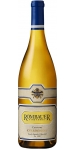
Fragrant aromas of yellow peach and ripe melon are found on the nose, interspersed with bright citrus notes. These continue on the palate with notes of creamy vanilla and buttery nuances on the long finish. Rombauer's signature bright acidity is evident throughout each sip, balancing the softness of the midpalate.
Pairings for this wine include crab cakes, barley risotto, and strawberry shortcake.



