
" We don't sell the wine without touching the vine "
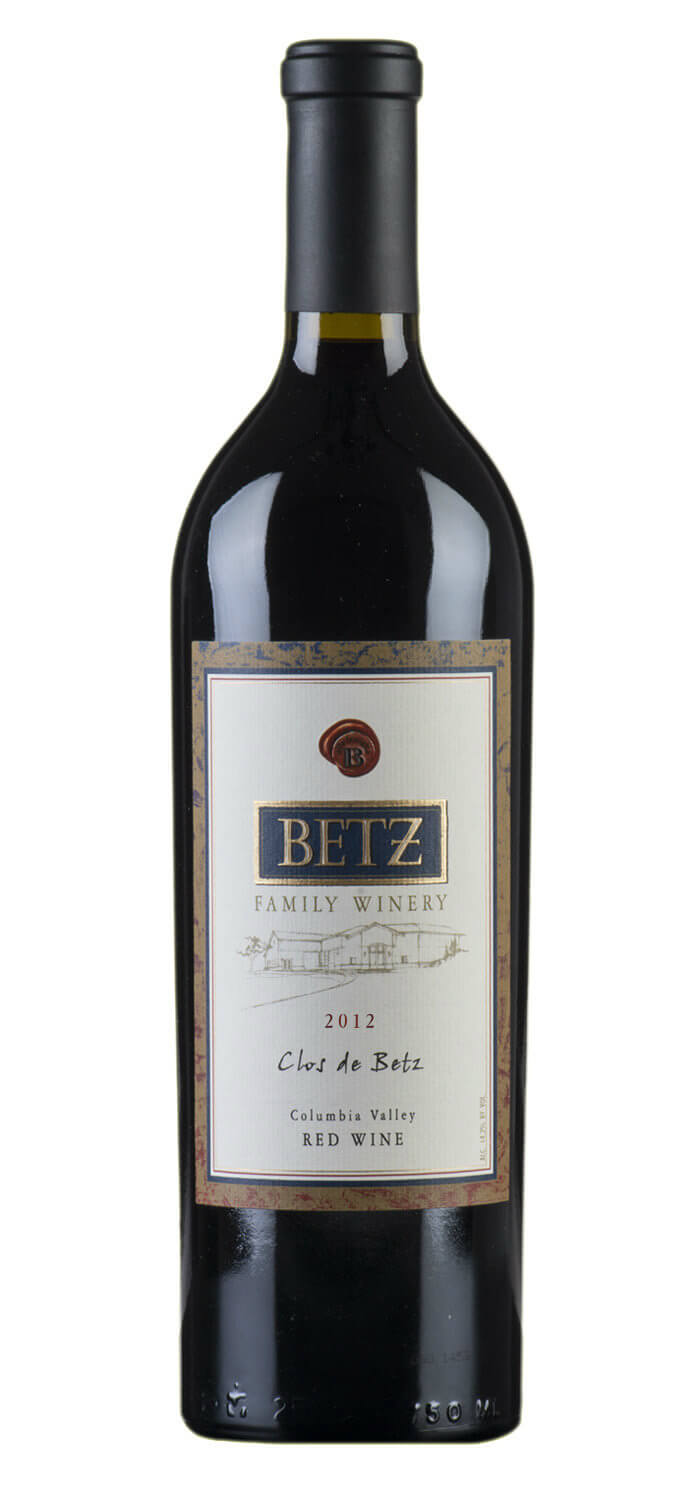
| Country: | United States |
| Regions: | Washington Washington (Columbia Valley) |
| Winery: | Betz Family Wines |
| Grape Type: | Merlot |
| Vintage: | 2013 |
| Bottle Size: | 750 ml |
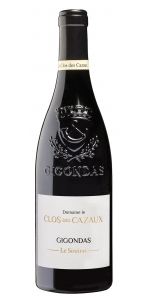
Clos des Cazaux Gigondas Le Souiras is 100% Grenache.
“Le Souiras” is the terroir located at the very South end of the Gigondas appellation. Here, in the midst of the Dentelles de Montmirail, an extraordinary calcareous massif, we planted grapevines on slopes surrounded by Mediterranean vegetation.
We are situated at an altitude of 250 meters, where the nights are cooler. The terroir is stony with a layer of grey and blue clay under the topsoil. The slopes face West and are protected from the strong summer sun by the Montmirail hill. Due to this ideal microclimate, our old Grenache grapevines contain all the complexity and balance of this sunny terroir.
Color : Dark intense ruby color.
Bouquet : Notes of little red fruits, white pepper, caramel and juniper.
Palate : The first impression is arresting and generally qualified as round, complex and dense.
The aromas of black cherry, mocha and white pepper are very intense. The palate is powerful, elegant and velvety.
The finish is long, with very silky tannins and a very slight bitterness that gives this exceptional Grenache an impression of freshness.
Review:
"A brilliant wine that has so much to love, the 2022 Gigondas Le Souiras is all Grenache that was brought up in barrels. It exhibits a vivid ruby hue as well as classic kirsch and blackberry fruit intermixed with peppery garrigue, spice, and ample Provençal nuances. This medium-bodied, fresh, focused 2022 has a beautiful sense of elegance, fine tannins, and the balance to evolve gracefully over the coming 10-12 years."
- Jeb Dunnuck (December 5th 2024), 94 pts
Clos Saint-Jean is a 41-hectare estate in Châteauneuf-du-Pape run by brothers Vincent and Pascal Maurel. Considered by many critics and wine-writers as the preeminent estate espousing the modern style of winemaking in Châteauneuf, this cellar is one of the oldest in the region, having been founded in 1900 by the greatgreat-grandfather of Vincent and Pascal, Edmund Tacussel. A short time after its founding and well before the AOP of Chateauneuf-du-Pape was created in 1923, Edmund began bottling estate wines in 1910.
The farming at Clos Saint-Jean is fully sustainable due to the warm and dry climate, which prevents the need for chemical inputs. Instead, Vincent and Pascal employ organic methods for pest control, mainly pheromones, to prevent pests from taking up residence in their vines, a process called amusingly enough in French, confusion sexuelle. The vines tended manually, and harvest is conducted in several passes entirely by hand.
Combe des Fous literally means, the hill of the fool. The hill, in this case, is located in the far southern reach of Le Crau which was left barren for many centuries because the layer of galets was so exceedingly deep that everyone assumed vines could never survive there. The fool in this situation is Edmund Tacussel, the great-great-grandfather of Vincent and Pascal Maruel who planted a Grenache vineyard on this site in 1905. That old-vine Grenache form the heart of this cuvée with a small amount of Syrah, Cinsault and Vaccarèse. La Combe des Fous is only made in the best vintages.
Review:
This has good concentration and energy to the dense core of dark fruit and bitter cherry, with great poise and elegance despite its ripeness (an impressive feat for the vintage). Guided by finely crushed mineral accents and tannins, this reveals pretty high-toned floral notes and leafy tobacco. Grenache, Syrah, Mourvedre, Cinsault, Vaccarese and Muscardin. Drink now through 2032. 900 cases made.
-Wine Spectator 95 Points
Clos Saint-Jean is a 41-hectare estate in Châteauneuf-du-Pape run by brothers Vincent and Pascal Maurel. Considered by many critics and wine-writers as the preeminent estate espousing the modern style of winemaking in Châteauneuf, this cellar is one of the oldest in the region, having been founded in 1900 by the greatgreat-grandfather of Vincent and Pascal, Edmund Tacussel. A short time after its founding and well before the AOP of Chateauneuf-du-Pape was created in 1923, Edmund began bottling estate wines in 1910.
The farming at Clos Saint-Jean is fully sustainable due to the warm and dry climate, which prevents the need for chemical inputs. Instead, Vincent and Pascal employ organic methods for pest control, mainly pheromones, to prevent pests from taking up residence in their vines, a process called amusingly enough in French, confusion sexuelle. The vines tended manually, and harvest is conducted in several passes entirely by hand.
Deus ex Machina is a literary and dramatic term for a miraculous intervention that interrupts a logical course of events in a plot or play. A suitable name for a cuvée that had it’s start in the torrid vintage of 2003 when Philippe Cambie and Vincent Maurel made the decision to harvest at the end of September, weeks after their neighbors. Deus ex Machina is a blend of old vine Grenache from La Crau, aged in tank with equally ancient Mourvedre from the sandy soils of BoisDauphin aged in demi-muid. Deus ex Machina is only made in the best vintages.
Review:
Lastly, the 2022 Châteauneuf Du Pape Deus-Ex Machina shows a similar profile to the Combes des Fous, yet it brings another level of tannins and concentration. Kirsch liqueur, white flowers, sandalwood, cured meats, and graphite notes all shine here, and it's full-bodied, has a deep, layered, powerful, yet weightless profile, lots of ripe tannins, and a blockbuster of a finish. This ripe, sexy, seamless, incredibly impressive beauty will compete with anything in the vintage. As usual, this cuvée is 60% Grenache and 40% Mourvedre, which is brought up in roughly 40% new demi-muids.
Review: Jeb Dunnuck 97 Points
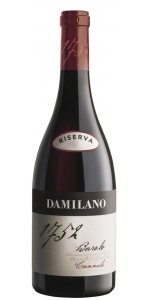
“1752” is the name of the Damilano Barolo Cannubi Riserva, in honor of the year in which the historic bottle was first marked “Cannubi”. It still exists today perfectly conserved by the Manzone family in Bra, close to Barolo. The bottle is clearly marked as being of “1752” vintage, indicating that Cannubi historically precedes Barolo.
About the Vineyard:
The Cannubi Cru is in found within one of the 6 core zones which comprise a UNESCO heritage site in Italy. A mixture of Tortonian and Helvetian calcareous marl gives the grapes intense aromas of cherry, plum and tobacco, rose and violet in sequence. Its low potassium and high calcium/magnesium content offer the wine a fine and polished touch. The vineyard is located at about 270 m. a.s.l. and has a south-east sun exposure. Barolo Riserva Cannubi 1752 It is a small plot of about 2 hectares of Nebbiolo vines, currently between 30 and 50 years of age.
Tasting Notes:
Garnet ruby red in color, the bouquet is intense and balanced, with notes of violet, red fruit, cherry and plum, spices, liquorice, cocoa, leather and tobacco. Dry, robust, full-bodied, very persistent, rich and velvety
Food Pairing:
This wine is excellent with typical piedmontes pasta (tajarin, ravioli); perfect with red meat, braised and roast meat, game and absolutely ideal with all types of cheeses.
Review:
The purity of this wine is pretty phenomenal with blackberries, strawberries, fresh flowers and licorice. Hints of tar. It’s full-bodied, yet composed and compact with ultra fine tannins and a long, flavorful finish. Very structured. Try after 2024.
-James Suckling 97 Points
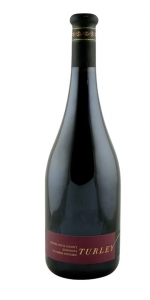
After working with the fruit for over a decade, Turkey is proud to present the first single-vineyard bottling for Turley from the Del Barba Vineyard. Contra Costa is a delta where the San Joaquin and Sacramento rivers meet, and these head-trained vines are planted in deep dehli blow sand, made up of decomposed granite coming down from the Sierra Mountains. The resulting wine embodies the best the delta has to offer: silken textures, ultra fine tannin, and dark saline fruits.
Review:
"The 2023 Zinfandel del Barba is ripe, boisterous and super-expressive. Floral overtones and bright acids run through a core of red/purplish fruit. Sandy soils confer lovely aromatic presence to this pure Zinfandel. This is an especially accessible offering from Turley."
-Vinous 91-93 Points
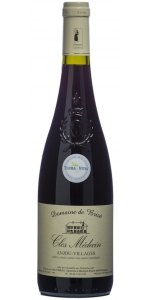
Brize Clos Medecin Anjou Villages Rouge is made from 60% Cabernet Franc and 40% Cabernet Sauvignon.
This is the flagship of the Estate. Clos Medecin has been produced at the estate for 90 years. All the grapes for this wine come from a very special parcel. The wine offers red fruit aromas. It is fresh, round and ample in the mouth.
Betz Family Clos de Betz is 67 % Merlot, 27% Cabernet Sauvignon, 6% Petit Verdot
"The only other 2013 reviewed on this go around (most were reviewed last year), the 2013 Clos de Betz checks in as a blend of 63% Merlot, 15% Cabernet Sauvignon and 22% Petit Verdot, mostly from Red Mountain and Yakima Valley, that spent 19 months in French oak. Sexy, supple, perfumed and beautifully complex, with notes of currants, dried flowers and an almost garrigue like perfume, this full-bodied beauty is already impossible to resist, yet will absolutely cruise for another 10-15 years. - Jeb Dunnuck"
- Wine Advocate (Issue #225, June 2016), 94 pts
Since our first vintage in 1997 we’ve had a single minded goal of crafting compelling wines with individual character that are approachable and ageworthy, and which showcase Washington as a distinguished wine region of the world.
By carving out specific vineyard blocks and being meticulous in the vineyard and cellar we are able to achieve the quality we aspire to.
As importantly over the years our winery culture has become a way of life in which everyone – our growers, winery team and customers are family.
Today, Betz family Winery is headed by our two families, both committed to be true to our heritage, our family members, and true to what Betz winery embodies: wines of dimension and pleasure, wines that allow the character of Washington to shine through. They are a blend of the best elements of the new and the old worlds; full ripe fruit and yet structured for longevity.
We believe our best wines are yet to come.
Our Values
Washington’s Columbia Valley is one of the world’s blessed sites to grow classic wine grapes.
#32 Wine Spectator Top 100 of 2023
Delicate red in color. The incredibly expressive bouquet offers notes of sandalwood, herbs de Provence, and Red Delicious apples. On the palate, freshly picked red huckleberries provide tart and lasting succulence with a hint of baking spice. The sandy soils of the Chehalem Mountains offer salinity and minerality on the finish that is complemented with dark cherry and rhubarb.
Review:
Supple, richly textured and elegantly complex, this Pinot opens with a burst of fresh raspberry, then unfolds with notes of forest floor and brown baking spices, plus a touch of licorice as it builds tension toward refined tannins.
-Wine Spectator 95 Points
The first impression of this stunning red is of brilliant red raspberry fruit, as pure as a sunbeam. Yet an inky depth plays counterpoint, rumbling beneath, dark and a bit spicy, grounding the fruit with tannins from the silica-based soils of Bergström’s estate vineyard in the Chehalem Mountains. The tension between these two elements is gorgeous, the fruit saturating and full, and yet it has an energy and drive giving the texture a lifted, graceful feel.
-Wine & Spirits 95 Points
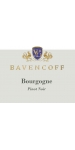
Bavencoff Bourgogne Pinot Noir is made from 100 percent Pinot Noir.
Color of medium intensity, purplish in its youth at present, changing to ruby then garnet, after several years in the bottle.
The nose offers intense aromas of cherries, kirsch and fresh strawberry. The palate is the perfectly balanced between round tannins and an elegant freshness. It is harmonious and medium-bodied with a silky and elegant texture and a delicious lingering finish.
Alcoholic fermentation in stainless tanks for 3 weeks. Malolactic fermentation : 80% in stainless tank and 20% in one year old casks (Allier).Manual harvest.
Produced from 100% Pinot Noir planted on clay and limestone soils.
Grilled or boiled red meats, roasts, mild game, soft cheeses like Camembert and Brie.



