
" We don't sell the wine without touching the vine "
Bierzo is a two-part wine producing region in Spain. Bierzo Alto
translates to high Bierzo, which reflects that mountains of the region. Wine
here is grown within the slopes. Bierzo Bajo means low Bierzo for the vast
plain of the area.
A rich history dates back to Romans who successfully mined
the earth in Bierzo for gold. The climate in Bierzo is largely due to the
nearby Atlantic Ocean. It is cooler in Bierzo than in Castilla y Leon, but
overall maintains an average temperature for the area. Local grapes produced in
Bierzo are Mencia and Garnacha, but also Dona Blanca, Godello, and Palomino.
Crianza wines from the region must be aged for two years, with six months in
oak barrels and Reserva wines must have twenty four months in bottle and 12
months in Oak barrells. The soil in Bierzo contains slate and granite,
which allows the vines grown here to produce mineral characters in the wine.
Bierzo also produces wine that has lower alcohol than other nearby regions.

Valle del Cua Bierzo Mencia is made from 100% Mencia.
A black cherry color with intense violet hues. Aromas are dominated by ripe red fruits, minerals and blue flowers. Fine, concentrated and exquisite on the palate, it is fleshy, fragrant, and full bodied.
Average age of the vines: 45-55 years
Vineyard's altitude: 450-480 meters above sea level
Pre-fermentation maceration: 3-5 days at 4-6 degres celcius
Alcoholic fermentation: 6-10 days
Maceration: 4-10 days
Malolactic fermentation: 5-9 days
Ageing: 2 months in stainless steel tank and then 2 months in the bottle.
Valle del Cua Bierzo Mencia is made from 100% Mencia.
A black cherry color with intense violet hues. Aromas are dominated by ripe red fruits, minerals and blue flowers. Fine, concentrated and exquisite on the palate, it is fleshy, fragrant, and full bodied.
Average age of the vines: 45-55 years
Vineyard's altitude: 450-480 meters above sea level
Pre-fermentation maceration: 3-5 days at 4-6 degres celcius
Alcoholic fermentation: 6-10 days
Maceration: 4-10 days
Malolactic fermentation: 5-9 days
Ageing: 2 months in stainless steel tank and then 2 months in the bottle.
Valle del Cua Bierzo Mencia is made from 100% Mencia.
A black cherry color with intense violet hues. Aromas are dominated by ripe red fruits, minerals and blue flowers. Fine, concentrated and exquisite on the palate, it is fleshy, fragrant, and full bodied.
Average age of the vines: 45-55 years
Vineyard's altitude: 450-480 meters above sea level
Pre-fermentation maceration: 3-5 days at 4-6 degres celcius
Alcoholic fermentation: 6-10 days
Maceration: 4-10 days
Malolactic fermentation: 5-9 days
Ageing: 2 months in stainless steel tank and then 2 months in the bottle.
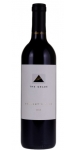
The Grade Cabernet Sauvignon Serpent's Back Napa Valley is made from 100 percent Cabernet Sauvignon.
Review:
The 2019 Cabernet Sauvignon Serpent's Back shows a more aromatic, high-toned side of this site. Bright red/purplish berry fruit, pomegranate, cinnamon and sweet floral accents are all laced together. The Serpent's Back is the most refined of these three Cabernets, but it has plenty of Calistoga punch.
-- Antonio Galloni 95 Points
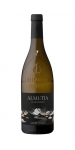
Xavier Vignon Almutia Clair-Obscur Châteauneuf-du-Pape Blanc is 40% Grenache Noir, 25% Mouvedre, 10% Roussane, 10% Grenache gris, 10% Grenache blanc & 5% Syrah.
Worn in the Middle Ages, an Aumuce was a purple cap that served as a cloak for clergymen as a way of concealing their whiteness, just as the black skin of the grape conceals its white juices. In Latin, this cape is called en Almutia. A blend of black and white grape varieties.
Almutia is the definition of vivacity, liveliness, expressed through the pulp of mainly black grape varieties. The multi-vintage approach has been choosen to bring complexity to the wine.
Pale yellow and translucent with tangy notes of apple and pear on the nose. The palate is lively and ample, revealing aromas of citrus and honeysuckle.
The grapes were harvested early, in mid-August, i.e. one month before the harvest intended for the production of red wines.
The grapes are then destemmed and crushed, then placed in vats for draining followed by settling for severals days to sediment the pigments.
Fermentation in stainless steel tanks
No ageing in wood and no stirring of the lees to maintain the perfect level of acidity.
Pairs best with scallop or lobter risotto, soft cheeses & truffle.



