
" We don't sell the wine without touching the vine "
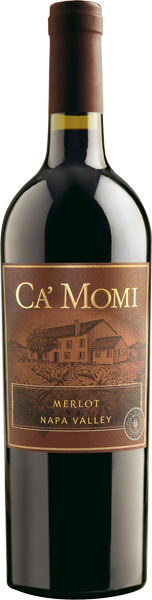
| Country: | United States |
| Regions: | California California (Napa) |
| Winery: | Ca'Momi |
| Grape Type: | Merlot |
| Vintage: | 2013 |
| Bottle Size: | 750 ml |
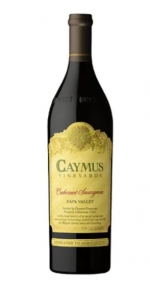
While the wine has sufficient tannins and structure for long-term bottle aging, Caymus Cabernet is dark and concentrated, with ripe, luxurious, fruit-driven softness that shows from the day of release.
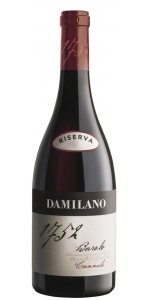
“1752” is the name of the Damilano Barolo Cannubi Riserva, in honor of the year in which the historic bottle was first marked “Cannubi”. It still exists today perfectly conserved by the Manzone family in Bra, close to Barolo. The bottle is clearly marked as being of “1752” vintage, indicating that Cannubi historically precedes Barolo.
About the Vineyard:
The Cannubi Cru is in found within one of the 6 core zones which comprise a UNESCO heritage site in Italy. A mixture of Tortonian and Helvetian calcareous marl gives the grapes intense aromas of cherry, plum and tobacco, rose and violet in sequence. Its low potassium and high calcium/magnesium content offer the wine a fine and polished touch. The vineyard is located at about 270 m. a.s.l. and has a south-east sun exposure. Barolo Riserva Cannubi 1752 It is a small plot of about 2 hectares of Nebbiolo vines, currently between 30 and 50 years of age.
Tasting Notes:
Garnet ruby red in color, the bouquet is intense and balanced, with notes of violet, red fruit, cherry and plum, spices, liquorice, cocoa, leather and tobacco. Dry, robust, full-bodied, very persistent, rich and velvety
Food Pairing:
This wine is excellent with typical piedmontes pasta (tajarin, ravioli); perfect with red meat, braised and roast meat, game and absolutely ideal with all types of cheeses.
Review:
The purity of this wine is pretty phenomenal with blackberries, strawberries, fresh flowers and licorice. Hints of tar. It’s full-bodied, yet composed and compact with ultra fine tannins and a long, flavorful finish. Very structured. Try after 2024.
-James Suckling 97 Points
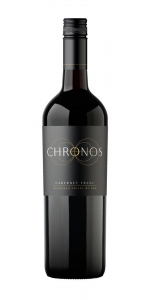
Under the stewardship of winemaker Lynzee Schatz, Chronos wines are crafted for lovers of the Okanagan Valley terroir. World class quality with depth, complexity, and command of detail. The production of Chronos is precise and unrushed with a connection to the finest winemaking traditions around the world. Raise a glass of Chronos to inspire your most delightful and soul-stirring moments.
This wine shows raspberry, plum and white pepper on the nose. On the palate, the wine offers red plum, cherry and a touch of herbs with a wonderfrul fresh and long finish.
Burgers, grilled portobello mushrooms, smoked chicken or a charcuterie plate.
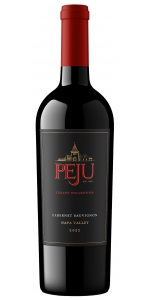
Peju Winery Legacy Collection Cabernet Sauvignon is made from 88% Cabernet Sauvignon, 6% Petit Verdot, 6% Merlot.
This stunning wine boasts an expressive nose that immediately captivates the senses. On the palate, the wine opens up with complex layers of dried red fruit and hints of cigar box. A subtle hint of wet stone adds a unique touch to the overall experience. The wine's medium to full body creates a beautiful balance between the fruit and tannin structure. The finish is simply divine, with a touch of cocoa dust that lingers on the palate long after the last sip.
Review:
The 2022 Peju Legacy Collection Cabernet Sauvignon is a blend of 88% Cabernet Sauvignon, 6% Petit Verdot, 5% Merlot, and 1% Cabernet Franc, aged for 19 months in 40% new French and American oak, crafted by winemaker Sara Fowler. Fragrant notes of spiced plums, leather, fine cedar, and violets lift from the glass. Full-bodied, it features a framework of elongated, supple tannins, creamy black cherry fruits, dark plum jam, mocha, and a cool wet slate character on the lengthy finish.
-Decanter 94 Points
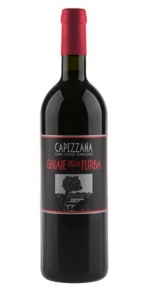
Capezzana Ghiaie Della Furbia Toscana IGT is made from Cabernet Sauvignon 40%, Syrah 35%, Merlot 25%.
In 1979 Ugo Conti Bonacossi created Ghiaie della Furba from vineyards planted among the pebble (Ghiaie) rich soils of the Furba stream. Originally planted with clippings from the famed Chateau Lafite estate in Bordeaux, the wine was made from Cabernet Sauvignon, Cabernet Franc and Merlot until the blend was changed in 1998 with the addition of Syrah. The inclusion of Cabernet Franc was slowly discontinued and today the blend includes Cabernet Sauvignon, Merlot and Syrah and is made only in the best vintages
Review:
This wine starts with pine needles and crunchy red fruit on the nose, with wet slate, cedar and tobacco leaf slowly emerging. The palate turns richer, with cherries, blackberries, dark chocolate, a little tar, coffee and sambuca. Tannins are very firm and the acid vibrant through a long finish.
-Wine Enthusiast 93 Points
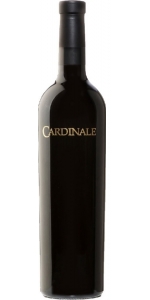
Cardinale Napa Valley Cabernet Sauvignon is made from 91% Cabernet Sauvignon, 9% Merlot.
Super structured and with minerality to spare, this Cabernet Sauvignon offers a real presence on the palate from start to finish. Generous notes of dark chocolate balance beautifully with a blue and black fruit flavor explosion, finishing with a subtle whisper of rose petal.
Reviews:
- James Suckling 98 Points
This bright, ruby red, and full bodied Merlot carries aromas of fig, quince jam, vanilla and coffee. The 2013 vintage has aged beautifully; its toasted oak and caramel notes shine from time in the bottle.
The Ca'Momi Estate
When Dario de Conti, Valentina Guolo-Migotto and Stefano Migotto came to America, they wanted to make wine in Napa Valley, while capturing the spirit of their Italian heritage. They take great pride in selecting premium sources of their wine grapes with the majority of the fruit coming from Napa Valley and the rest from other carefully selected areas of California.
Napa Valley is renowned for its Cabernet Sauvignon, and also applauded for producing elegant Merlot, Chardonnay, Pinot Noir, Zinfandel and Sauvignon Blanc. In addition to Ca’ Momi’s wide variety of red and white still wines, they produce Ca’ Secco, the first ever Prosecco-style sparkling wine made in California.
The house in the watercolor painting on our label (see image at right) really is Ca' Momi, our house in Veneto Italy.
We named the house in honor of Momi dea Bionda, a local character who was famous for his obsession with the house, his grapes and his wine. We liked the idea of keeping the memory of him alive. Momi was a memorable character. In his later years, he would ride around the property on an old Moto Guzzi motorcycle withthat had a sidecar attached. Across his lap he carried a rifle, to scare away those hoping to steal a taste of his grapes, and in the sidecar rode his best friend Lidia, a faithful dog who continued to ride in the sidecar even after she went blind. Some of the locals say that he haunts our home. We prefer to think that his ghost is just keeping an eye on things. His dog, too. We love the idea that Momi still watches over our home and its vineyard. In fact, we think we have seen him quite a few times.

All older vintage wines have been purchased from a single collectors cellar. Pictures can be requested before shipment.
Maringer-Reif Piesporter Michelsberg (liter) is 100 percent Riesling.
This Mosel-Riesling is fruity and semi-sweet. It is easy to drink on the evening of a hot summer day. It's got a hint of lemon flavor and a very good minerality.



