" We don't sell the wine without touching the vine "
| Country: | Italy |
| Region: | Veneto |
| Winery: | Cantina di Verona Spa |
| Grape Type: | Corvina |
| Organic: | Yes |
| Vintage: | 2017 |
| Bottle Size: | 750 ml |
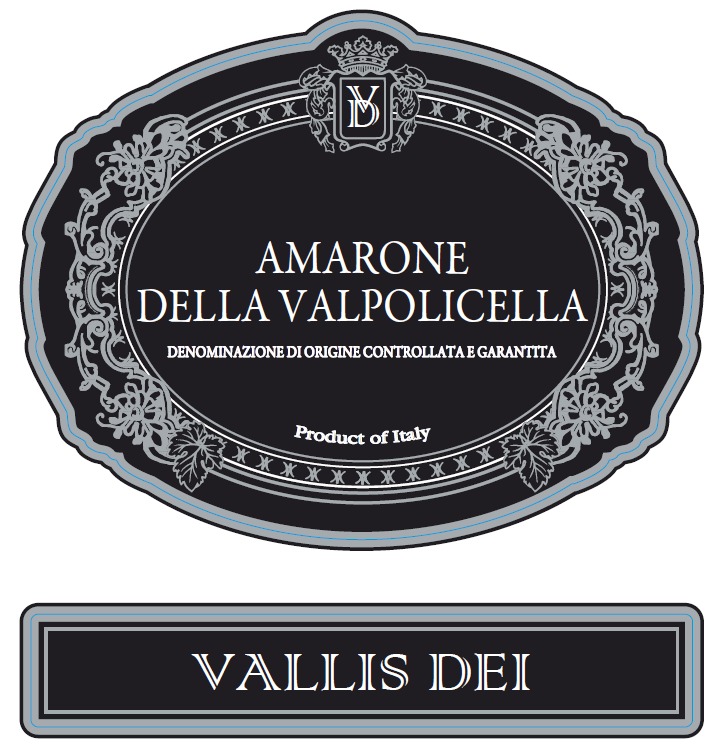
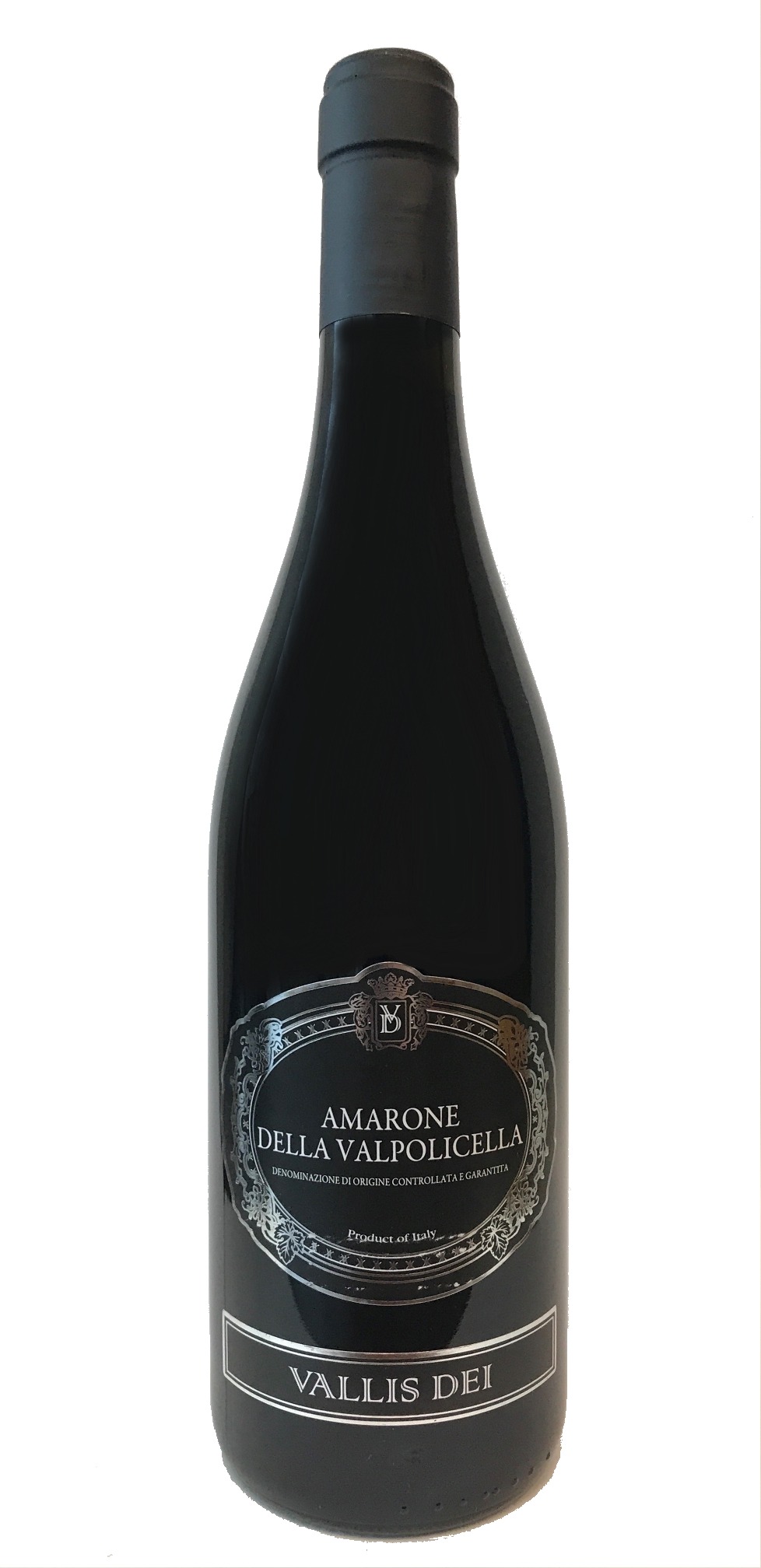
Cantina di Verona Amarone Valpolicella Vallis Dei is made from 65% Corvina Veronese, 30% Rondinella, 5% Molinara
Color: deep ruby red
Nose: Dried prune and blackberry with hints of vanilla and spice
Mouth: It is generously structured and velvety.
Yield: 8000 kg of grapes per hectar – after which the grapes are dried “appassimento”
Grapes are raisin-dried for at least 4 months after harvesting, losing at least 40% of their weight. It is made from selected grapes which are left to dry on racks in specially ventilated rooms until the end of winter.
Fermentation temperature between 18° and 22°C
Maceration time: 20 days
Cantina di Verona Valpolicella Ripasso Superiore Vallis Dei is made from 70% Corvina Veronese, 25% Rondinella, 5% Molinara
Color: intense red ruby
Nose: winey, fruity with hints of oak. Some spice and vanilla.
Mouth: It is well balanced with round tannins.
Yield: 10000 kg of grapes per hectar – after which the grapes are dried “appassimento”
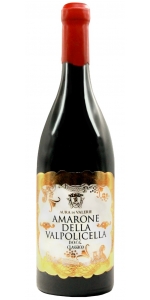
The first kosher Amarone! Amarone undergoes a very unique process prior to fermentation. In late October, grapes are harvested and allowed to dry for around 120 days. Known as the “appassimento” technique, the drying process traditionally occurs on straw mats or in temperature controlled drying chambers. This process helps concentrate the juices and increases skin contact, giving the wine a very ripe, full-bodied flavor. There is no other wine like it! The unique flavors of Amarone, including dark chocolate, coffee, dark fruit and light notes of cherry, pair beautifully with steak, stews, and bold cheeses.
The color is deep bright, ruby red with a violet edge. Powerful bouquet and intense aromas of cherry, ripe plum, toasted almond, and vanilla. A full bodied wine with round and rich flavor.
Antica Vigna Amarone della Valpolicella Riserva is made from 65% Corvina, 20% Rondinella, 10% Corvinone, 5% Merlot.
Amarone DOCG has maintained unchanged its typicality, so that “the essence of the territory” of Valle di Mezzane and Cazzano di Tramigna powerfully emerges. Rich in color, firmly structured but with fresh notes.
WINEMAKING AND AGING:
Manual harvest early October with selection of the best bunches.
Drying: natural drying in fruit cellar for 3/4 months with a sharp drop in weight of around 30%.
Vinification: soft crushing of destemmed grapes in the months of January and February.
Fermentation: at a controlled temperature of 18/21°C. Fermentation time: about 30 days
Aging:· 80% in oak barrels for 30 months of which 2/3 in American and French barriques, half of which are used for the second and third time, 1/3 in large
THE TERRITORY:
Geographical location: Tenuta di Mezzane, Tenuta di Cazzano di Tramigna
Height: 350/400 meters asl
Exposure: south
Soil type: limestone
Vineyard training system: guyot and pergola
Vine planting year: from 1972 to 2009
Vine density: 4,000 to 5,400 vines per hectare Vineyard management: sustainable agriculture and great attention to natural
cycles
Pairs well with grilled and roasted meats, as well as cheese.
Timeless Notes:
Dark cherry in color, firm on the palate with a vibrant acidity underbelly. Thought lush on the palate the flavors are complex and elegant from entry to mid-palate with hints of currant and wild berries. The finish brings in a touch of tobacco and leather notes ,classic examples of this region, with more ripe fruit flavors that linger on long strain tannin finish. Complex with depth and elegance on the palate. This one is drinking now, but can handle more time in the cellar with ease. An excellent value in the Riserva category.
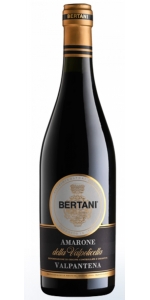
Bertani Valpantena Amarone is made from 80% Corvina Veronese, 20% Rondinella.
The best grapes are selected so that only the healthiest and ripest bunches are sent to the drying rooms in the historic winery at Grezzana, where they are laid out in single-layer crates. In mid- January, the grapes are destemmed and crushed, then fermentation starts, at first at a temperature of 39°F- 41°F, which then reaches 72°F in the final stages.
WINEMAKING
The vines are vertical-trellised and Guyot-trained, with a planting density of 2024 plants per acre. Hand harvest is carried out in the middle of September.
This amarone is produced in the Valpantena hills, north of Verona. The soils are calcareous-marl in the east and calcareous-clay in the west, rich in iron.
TERROIR & VINTAGE NOTES
Bertani’s impact on Veneto wine making, particularly in Amarone production, is so considerable that ‘Bertani’ and ‘Amarone’ are nearly synonymous. Their 150+ year history is dotted with groundbreaking initiatives and royal accreditation. While respectful of their past, Bertani strives towards innovation, using progressive techniques and equipment allied with extensive experience and a deeply felt respect for tradition to provide wines of uncompromising quality.
On the nose, marked and intense aromas of very ripe cherries, sour cherries, spicy and nutty notes typical of the Valpantena. Good follow-through of red fruits on the palate, with supple tannins to give depth. This full bodied wine pairs well with rich dishes, mature cheeses and strong-flavored meats.
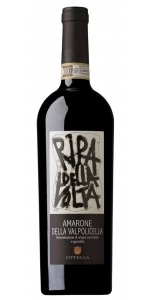
Ripa Della Volta Amarone della Valpolicella 70% Corvina, 20% Corvinone, 5% Oseleta and 5% Spigamonte.
The vineyards are located at an elevation of 300-600 metres above sea level, with a south-southwesterly exposure. Training system: Guyot.
It features an intense red color with garnet highlights. The nose offers up a rich variety of aromas with fruity notes of cherries, morello cherries and plums, spices and hints of chocolate. It is round and caressing with soft, mellow tannins balanced by excellent acidity that enhances its drinkability and ageing potential.
It is a wine with a marked personality, great finesse, elegance, and extraordinary longevity.
It pairs well with main dishes such as game and roasts, but also cured meats and mature cheese.
Review:
Strong, dark ruby with a light garnet edge. Intense and very clearly defined nose with notes of ripe plums, dark forest raspberries and some tobacco in the background. Round on the palate with plenty of supple tannin, pleasantly dry, firm pressure in the finish.
-Falstaff 92 Points
Cantina di Verona Amarone Valpolicella Vallis Dei is made from 65% Corvina Veronese, 30% Rondinella, 5% Molinara
Color: deep ruby red
Nose: Dried prune and blackberry with hints of vanilla and spice
Mouth: It is generously structured and velvety.
Yield: 8000 kg of grapes per hectar – after which the grapes are dried “appassimento”
Grapes are raisin-dried for at least 4 months after harvesting, losing at least 40% of their weight. It is made from selected grapes which are left to dry on racks in specially ventilated rooms until the end of winter.
Fermentation temperature between 18° and 22°C
Maceration time: 20 days
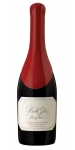
Belle Glos Clark and Telephone Vineyard Pinot Noir is made from 100 percent Pinot Noir.
The Clark & Telephone Vineyard was established in 1972 and planted with “own root” Martini clone vines. Located just 13 miles from the ocean and situated on a west-facing slope, this vineyard experiences weather patterns that pull from west to east to bring cool fog and coastal breezes inland until August when Santa Ana winds begin.
We harvested early in the morning so the fruit would arrive at the winery while the grapes were still cool to preserve their vineyard-fresh flavors. After destemming (but not crushing) the berries, we cold-soaked the must for 14 days to soften the skins and allow for ideal extraction. During fermentation in a combination of closed and open-top stainless steel fermenters, we used both punch-down and pump-over techniques to extract color and phenolics. We aged the wine in 100% French oak (60% new) for up to 12 months. After the wine underwent malolactic fermentation, we racked it twice before bottling.
Deep ruby red in color with lush aromas of ripe cherry, nutmeg, dark chocolate and holiday baking spices. Bold and complex flavors of black plum, crushed raspberry and blueberry pie linger on the palate. The texture is rich and lively, and leads into a warm and structured finish.
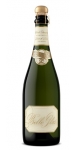
Copper Cane Wine & Spirits proudly introduces two new additions to its Belle Glos collection: Sparkling Blanc de Blanc and Sparkling Rosé. Crafted by fifth-generation winemaker Joe Wagner, these sparkling wines represent a bold expansion into the world of traditional method sparkling wines. The release marks a pivotal moment for Belle Glos, a brand known for its meticulous craftsmanship, as it explores the refined, celebratory nature of sparkling varietals.
Zero Dosage Sparkling Wines Reflect Terroir, Tradition, and Russian River Valley Purity
Rooted in the Russian River Valley’s unique microclimate, these wines are made in a zero-dosage style—meaning no added sugar after fermentation. This style highlights the vineyard’s terroir and natural acidity without relying on sweetness to balance the profile. Through traditional methods, including aging in French oak barrels, malolactic fermentation, and multi-vintage blending, Wagner crafts wines that exhibit purity, depth, and complexity, while maintaining a youthful brightness and firm minerality.
Review:
This clean and focused zero dosage Blanc de Blancs brings aromas of bright lemon, green apple, citrus blossom and grapefruit pith on the nose. The palate is dry, acidic and lively, with flavors of pithy lime, toasted hazelnut, green apple and lemon balm mingling across the finish. It's oyster time, people!
-Wine Enthusiast 93 Points