" We don't sell the wine without touching the vine "
| BUY MORE! SAVE MORE! | ||||||||||||||||||||
|
| Country: | Italy |
| Region: | Veneto |
| Winery: | Cantina di Verona Spa |
| Grape Type: | Corvina |
| Organic: | Yes |
| Vintage: | 2022 |
| Bottle Size: | 750 ml |
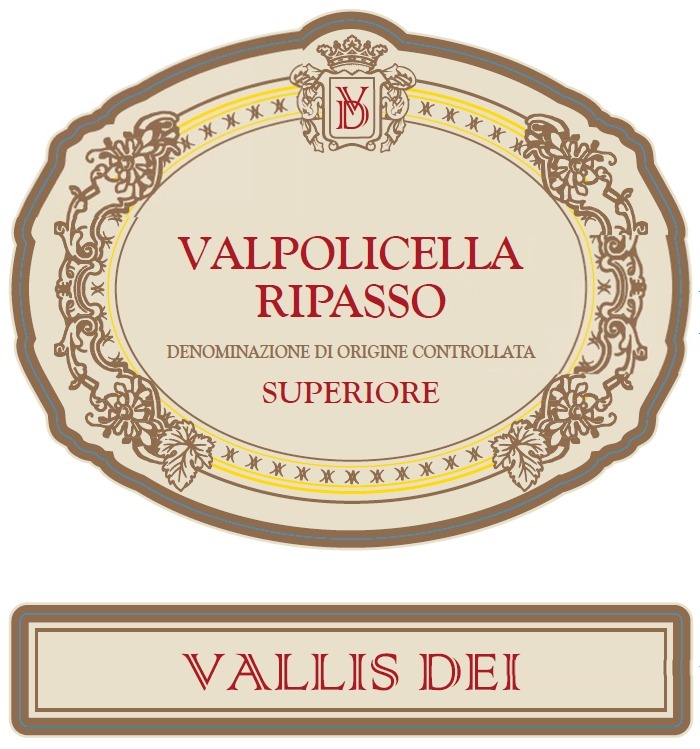
Cantina di Verona Valpolicella Ripasso Superiore Vallis Dei is made from 70% Corvina Veronese, 25% Rondinella, 5% Molinara
Color: intense red ruby
Nose: winey, fruity with hints of oak. Some spice and vanilla.
Mouth: It is well balanced with round tannins.
Yield: 10000 kg of grapes per hectar – after which the grapes are dried “appassimento”

Antica Vigna Amarone della Valpolicella Riserva is made from 65% Corvina, 20% Rondinella, 10% Corvinone, 5% Merlot.
Amarone DOCG has maintained unchanged its typicality, so that “the essence of the territory” of Valle di Mezzane and Cazzano di Tramigna powerfully emerges. Rich in color, firmly structured but with fresh notes.
WINEMAKING AND AGING:
Manual harvest early October with selection of the best bunches.
Drying: natural drying in fruit cellar for 3/4 months with a sharp drop in weight of around 30%.
Vinification: soft crushing of destemmed grapes in the months of January and February.
Fermentation: at a controlled temperature of 18/21°C. Fermentation time: about 30 days
Aging:· 80% in oak barrels for 30 months of which 2/3 in American and French barriques, half of which are used for the second and third time, 1/3 in large
THE TERRITORY:
Geographical location: Tenuta di Mezzane, Tenuta di Cazzano di Tramigna
Height: 350/400 meters asl
Exposure: south
Soil type: limestone
Vineyard training system: guyot and pergola
Vine planting year: from 1972 to 2009
Vine density: 4,000 to 5,400 vines per hectare Vineyard management: sustainable agriculture and great attention to natural
cycles
Pairs well with grilled and roasted meats, as well as cheese.
Timeless Notes:
Dark cherry in color, firm on the palate with a vibrant acidity underbelly. Thought lush on the palate the flavors are complex and elegant from entry to mid-palate with hints of currant and wild berries. The finish brings in a touch of tobacco and leather notes ,classic examples of this region, with more ripe fruit flavors that linger on long strain tannin finish. Complex with depth and elegance on the palate. This one is drinking now, but can handle more time in the cellar with ease. An excellent value in the Riserva category.

Gambellara Soave I Basalti is made from 100% Garganega.
Soave DOC from the Soave hills. Vineyard trained in Pergola Veronese system at 250m altitude on volcanic basalt soils. Straw yellow in color with delicate aromas of white flowers, almond, and citrus. Fresh and harmonious on the palate with pleasant minerality and a clean finish.
Hand-harvested grapes are gently pressed and fermented in stainless steel at controlled temperature.

Fortezza Fiano DOC Sannio is made from 100% Fiano - 20 years old
No oak.
Straw yellow color with light green reflections. A rich bouquet of white flowers with mineral notes, freshnesss and elegance, good acidity and good body.
Southeastern exposure with an altitude of 250-350 meters above sea level.
Planting density: 3,500 vines per hectare on average.
Training system: espalier with Guyot pruning.
Manual harvest in small crates end of September.
Winemaking in white in stainless steel tanks at controlled temperature.
Pairs well with seafood, grilled tuna, white meats.
Review:
-James Suckling 90 Points

Mocavero Primitivo del Salento is 100% Primitivo.
Deep red color with hints of violet, sweet spicy and ripe fruity notes, soft, persistent taste with skilful balanced tannins.
This ancient vine variety requires special attention during vinification to ensure that it expresses all the varietal characteristics, it needs periodic aeration and a particular temperature control. Once maceration is complete, the must is separated from the marc and fermentation ends in stainless steel tanks.Once it has been fermented the wine is refined in american Oak barrels for 3-4 months. When the refining process is complete, the wine is filtered and bottled.
Pairs best with roast meat, wild fowl, cold-cuts and mature cheese.

Poggio Nardone Brunello di Montalcino is made from 100 percent Sangiovese Grosso.
The rich nose displays scents of spices combined with aromas of small red ripe fruits, blackberry and blueberry.
Well structured, determined and elegant, with round and silky tannins. Very nice finish.
Alcoholic fermentation was done in tank, maloactic fermentation in oak barrels. Wine was then aged for 3 years in French oak barrels.
Review:
Noble and decidedly balsamic in the primary profile alternating notes of peppermint, eucalyptus, green tea leaves and guaranà. A lot of very delicate dried cherries are housed in the background giving brilliance and crunchiness. Medium bodied, well extracted mature tannins and a finale which squeezes from the centre palate onwards. Better from 2025.
- WinesCritic.com 93 Points

Cantina di Verona Amarone Valpolicella Vallis Dei is made from 65% Corvina Veronese, 30% Rondinella, 5% Molinara
Color: deep ruby red
Nose: Dried prune and blackberry with hints of vanilla and spice
Mouth: It is generously structured and velvety.
Yield: 8000 kg of grapes per hectar – after which the grapes are dried “appassimento”
Grapes are raisin-dried for at least 4 months after harvesting, losing at least 40% of their weight. It is made from selected grapes which are left to dry on racks in specially ventilated rooms until the end of winter.
Fermentation temperature between 18° and 22°C
Maceration time: 20 days

Antica Vigna Valpolicella Ripasso DOC Superiore is made from 50% Corvina, 45% Rondinella and 5% Merlot.
Ripasso Superiore DOC is an elegant and refined wine, showing a beautiful and intense ruby color. Spicy, with cherry hints and wild berries notes, it features great personality and complexity. In the palate it is rich, very fruity, elegant and still young but already very well-orchestrated, with the typical notes of wild berries that blend well with the complexity of the wine.
20% in steel· 80% in wood for 6 months of which 2/3 in American and French barriques, half of which are used for the second and third time 1/3 in large barrels
Aging:
Fermentation time: about 7/10 days the first and 15 days the second.
Fermentation: at a controlled temperature of 18/20° and second fermentation on the skins of Amarone at 18/20°C.
Vinification: soft crushing of destemmed grapes to obtain Valpolicella.
Drying: the grapes are not dried but vinified fresh.
Harvest: mid-September with manual harvesting of the grapes.
VINIFICATION AND AGENG:
Vineyard management: sustainable agriculture and great attention to natural cycles
Vine density: 4,000 to 5,400 vines per hectare
Vine planting year: from 1972 to 2009
Vineyard training system: guyot and pergola
Soil type: limestone
Exposure: south
Height: 350/400 meters asl
Geographical location: Tenuta di Mezzane, Tenuta di Cazzano di Tramigna
THE TERRITORY:
Pairs well with grilled and roasted meats, as well as cheese.

Zaccagnini Verdicchio dei Castelli di Jesi 100% Verdicchio.
Verdicchio is an historic wine that has been made since the 1400’s. There is an ancient bond between the Verdicchio vine and the region of Le Marche, a seaside province on the Adriatic sea, which stems from a cherished relationship with the Benedictine, and later the Camaldolese, Monks. The monks helped spread Verdicchio vines – which had been present for centuries – as well as viticultural-oenological techniques throughout the Marche region. The efforts of the monks, along with improvements in the quality of the vines & vinification methods, have allowed Verdicchio to thrive for centuries. At one time, Verdicchio measured 65,000 hectares (158,080 acres) of grapes throughout Italy.
Verdicchio means “little green one”, in reference to the grape and the color of the resulting wine. The Verdicchio grape – which also goes by Giallo and Turbiana (Lake Garda) – is grown across Italy, and it is closely related to Trebbiano and Greco. The grape is subject to mutations.
The wine is refreshing, exhibiting lemon citrus flavors, aromas of flowers and apples, with herbaceous qualities.

Dal Forno Romano Valpolicella Superiore is made from Corvina, Corvinone, Rondinella, Oseleta and Croatina grown at the Monte Lodoletta estate in the Val d'Illasi, eastern Valpolicella.
One of Italy's most iconic producers, Romano Dal Forno revolutionized Valpolicella winemaking with an obsessive pursuit of quality. The grapes are hand-harvested with meticulous selection, then dried for approximately 45 days in the estate's patented, computer-controlled appassimento rooms. After pressing, the wine is fermented in custom-designed stainless steel tanks and aged for 24 months in new French oak barrels, followed by extended bottle aging before release.
Deep ruby in color with aromas of blueberry, blackberry, cherry and cocoa. Full-bodied and opulent on the palate with powerful yet polished tannins, layers of dark fruit, sweet spice, tobacco and chocolate. Despite its remarkable concentration, the wine maintains an elegant freshness and balance. Pairs beautifully with grilled or roasted red meats, game and aged cheeses.
14.5% ABV
A perfumed and elegant wine with subtle aromas of balsamic, coconut, dark bramble fruit, jasmine, mulberries, red cherries and chocolate. It’s spicy rather than fruity. On the palate it shows salted chocolate flavors and a full body. It’s crisp, zesty and velvety, with creamy tannins and a graphite finish. It shows tension despite its concentrated style. It will be released in January 2027. Try then or hold.
-James Suckling 97 Points

Double Diamond by Schrader Oakville Cabernet Sauvignon is made from 100 percent Cabernet Sauvignon.
Barrels: 54% new French oak, 46% second-use Schrader Darnajou French Oak
The 2022 Cabernet Sauvignon offers concentration, lively acidity, and refined tannins that have become the hallmark of the 2022 vintage. The nose holds notes of black raspberry, toasted cedar, juicy plum, and pennyroyal mint—a Napa Valley Cabernet Sauvignon signature. The palate is mouthwatering with intricately woven layers of blackberry compote, dark chocolate shavings, oolong tea, and flint. The dynamic flavors carry across the mid-palate in vivid harmony into a long, floral finish. This wine is ready to drink upon release but will cellar well for years to come.
Double Diamond is sourced exclusively from a complement of prime vineyard estates. Sourced from the same famed vineyards as its beloved inspiration Schrader Cellars in Napa Valley’s world-renowned Oakville AVA, including our To Kalon Vineyard.
Review:
-Decanter World Wine Awards 94 Points
-Jeb Dunnuck 91 Points

G.D. Vajra Barolo Coste di Rose is made from 100 percent Nebbiolo.
The Coste di Rose is a very seductive wine right out of the gate. Cherries and roses burst on the nose, with hints of amarena, red hard candy, wild berries, wet stone, mint and thyme. The palate is radiant and expressive, with all of the signature elements of Coste di Rose in nice evi-dence: the ethereal character, the saline, up-front tannic structure, and further whiffles of roses and cherries in the finish.
G.D. Vajra is one of Barolo's most beloved family estates, farming organically in La Morra since the early 1970s and known for fragrant, high-toned, transparent Nebbiolo. Coste di Rose is one of the highest and coolest crus in Barolo, its sandy, well-draining soils yielding especially perfumed and graceful wines; the 2022 is a touch more structured and powerful than most.
Review:
Floral, as is typical of this estate, with crunchy red fruit and rose petals. The palate is medium-bodied, with a blanket of delicate, tender fruit defined by chalky, precise yet silky tannins. Drinkable now with proper aeration, but will improve with some bottle age.
James Suckling, 96 points
Review:
-James Suckling 96 Points
-Monica Larner (Robert Parker) 95 Points

Domaine Jean Grivot Echezeaux Grand Cru is made from 100 percent Pinot Noir.
Domaine Jean Grivot is among the great names in Burgundian wine. Étienne Grivot and his wife Marielle took over from Étienne’s father Jean Grivot in 1987. The vineyards are densely planted and farmed organically “sans certification” while the aim in the cellar is for balance and clear expression of terroir.
Jean Grivot’s 15.5 hectares spread across 22 appellations with vineyards in the communes of Vosne-Romanée, Vougeot, Chambolle-Musigny, and Nuits-Saint-Georges. Besides the three grand crus, there are 8 premier crus including the much lauded Les Beaux Monts and Suchots in Vosne-Romanée. The grapes are completely de-stemmed and fermentation is spontaneous.
About the Vineyard:
Echézeaux grand cru is a large vineyard of 38 hectares divided into 11 individual climats. Grivot’s parcel is in the climat of Les Cruots and lies at the southern end of Echézeaux near the premier cru of Les Suchots. A good Echézeaux should have rich fruit, considerable earthiness, and be very complete on the palate.
Tasting Notes:
The wine shows aromas and flavors of red berries, herbs, and purple flowers. The palate is rich with ripe fruit and medium weight with bright acidity and fine tannins. Aging in 40-70% new Burgundian pièce brings notes of vanilla, toast, and baking spices.
Food Pairing:
Red Burgundy might be the world’s most flexible food wine. The wine’s high acidity, medium body, medium alcohol, and low tannins make it very food-friendly. Red Burgundy, with its earthy and sometimes gamey character, is a classic partner to roasted game birds, grilled duck breast, and dishes that feature mushrooms, black truffles, or are rich in umami.
Review:
-Decanter 97 Points
-Wine Spectator 97 Points

Chaume Bourgogne Rouge 2024 is made from Pinot Noir.
Color: bright ruby red. Bouquet: blackcurrant, raspberry and hints of blackberry. Palate: a smooth, balanced attack with fine tannins and a supple finish.
Pairs with butterflied lamb, char-grilled steak or venison; rustic dishes such as cassoulet or duck with olives; or roast goose.