
" We don't sell the wine without touching the vine "
Still today, innovative breeding systems are being tested and, in particular, various clonal selections in the owned lands, which extend over an area of about 200 hectares, 90 of which are planted with vineyards, 4 with olive groves, 87 with woods and 19 currently with arable land and courtyards. Caparzo carries out an activity that aims to obtain top quality products, achieved with meticulous and artisanal production techniques, but nevertheless reveals a modern mentality in management, efficient and capable in commercial relations. More than forty years have passed since the first rows of vines and the first cellar experiences. Caparzo, in this time, grown in respect of the Brunello tradition and the different terroirs of the area, has been able to enhance its wines with a creative spirit and desire for innovation, expressing the maximum qualitative rigour. Precisely for this reason, Caparzo wines have been adopted by the most famous restaurants in the world, served at international meetings and official state dinners.
aparzo vineyards occupy about 90 hectares in the municipality of Montalcino. In Caparzo, in the hilly area, at an altitude of 220 metres, facing south to south-east, about 9 hectares of Brunello are cultivated, 3 hectares of Chardonnay, Sauvignon and Traminer, 2.5 hectares of Cabernet Sauvignon, 3 hectares of Rosso di Montalcino, 1 hectare of Sangiovese Sant'Antimo and 1.5 hectares of Moscadello. The soil is of Pliocene, sedimentary, sandy-clayey formation. In the locality of La Casa, at an altitude of 275 metres, facing south to south-east, there are 5 hectares of Brunello. The soil is of shale-clayey formation, known as marl. In the western area, called La Caduta, at a height of 300 meters, 7.5 hectares of Brunello are located on a soil of sandstone matrix, loose and rich in skeleton. From south to southeast of Montalcino, the Il Cassero vineyard is located, at a height of 270 meters, where there are about 6 hectares of Brunello, 4 of Sangiovese, 1 of Syrah, 1 of Colorino and 3 hectares of Rosso di Montalcino, on a soil of Pliocene formation with a sandy-stony or schistic-clayey matrix. Finally, south-east of Montalcino, in the San Piero-Caselle vineyard, at a height of 250 meters, 2.5 hectares of Brunello are cultivated, 15 of Sangiovese, 2.5 of Merlot, 2 of Cabernet Sauvignon, 2.5 in Syrah, 1.5 in Petit Verdot and 2 hectares in Colorino. As a rule, the harvest period begins in the first days of September for white grapes, while the red grapes are harvested in the third week of September. The Cabernet Sauvignon and Sangiovese Grosso grapes destined for the production of Ca' del Pazzo are harvested separately. Only after the malolactic fermentation does the mixing of the two wines take place. The grapes destined for the production of Le Grance are softly pressed and the fermentation of the must takes place in small 350-litre oak barrels. After fermentation, the wine remains in the same barrels for twelve months. The red grapes are destemmed: the must and pomace begin fermentation at a controlled temperature for about eight days, with pumping over and punching down on the cap.
No products found
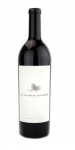
My Favorite Neighbor Cabernet Sauvignon is made from 79% Cabernet Sauvignon, 8% Malbec, 6% Syrah, 4% Petite Sirah, 3% Petit Verdot.
A homage to Stephan Asseo of L’Aventure Winery became an obsession. Sourced from exceptional vineyard sites around Paso Robles, San Luis Obispo and south to Edna Valley, this wine is cultivated meticulously by the farmers who have become My Favorite Neighbors. With their dedication to the land, we are able to craft a world class wine without any shortcuts or compromises. Welcome to our Neighborhood.
The 2022 My Favorite Neighbor is everything you’ve come to expect from our flagship Cabernet Sauvignon, sourced from our favorite Paso Robles growers who lend their neighborly spirit to the wine. Effusive aromas of raspberry and currant reveal notes of blue fruit and purple flower. On the palate, juicy red fruits are interwoven with hints of black cherry, cinnamon and toasted oak. Structured tannins carry into a long, chewy finish. Whether it’s a casual backyard barbecue or a fine celebratory meal, this versatile wine has you covered for summer and beyond.
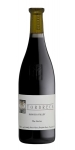
The Factor is predominantly from the Gomersal and Marananga sub-regions of the Barossa, providing dense texture and richness to the palate with subtle notes of olive tapenade, saddle leather and minerals. Ripe aromas of plum and wild blackberries, olive, pepper and spice are all supported by a dark core of espresso roast, ripe blackberries and saltbush. Brooding and densely packed, this lavish wine has ample generosity to cellar for many years, where it will slowly unravel.
Review:
Offers a dense, powerful mix of violet, bittersweet chocolate and sandalwood-infused morello cherries in syrup. Blueberry, blackberry and date-nut bread flavors are plump on a frame of polished and toothsome tannins. Clove and Saigon cinnamon notes linger, with a powerful crescendo on the finish. Shiraz.
Wine Spectator 96 Points
Robert Parker's Wine Advocate 96+ Points



