
" We don't sell the wine without touching the vine "

| Country: | France |
| Region: | Bordeaux |
| Grape Type: | Cabernet Sauvignon |
| Vintage: | 1978 |
| Bottle Size: | 750 ml |
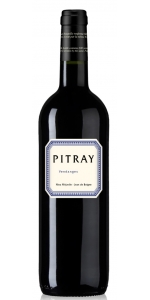
Chateau Pitray Castillon Cotes de Bordeaux Le Grand Vin is made from 90% Merlot and 10% Cabernet Franc.
Notes of candied fruit, dried figs, currants marked by their delicacy despite the sensation of great maturity. On the palate, we find this aromatic range with present but very velvety tannins.
Ageing: partially in new oak barrels, partially 1 and 2 years old barrels and stainless steel tanks.Vinification: thermo-regulated concrete tank.
2 other grape selection including one handed, before filling the tanks.
Harvest: last generation harvesting machine with on-board grape selection.
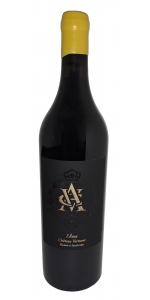
Chateau Vermont L'Ame Grand Vin de Bordeaux is made from 40% Merlot, 30% Cabernet Franc and 30% Petit Verdot.
L'AME de Vermont represents the culmination of 10 years of dedicated work, derived from select grapes of Chateau Vermont's best parcels, chiseled to be the ultimate extraction of their terroir and Spirit. This cuvée is the Winemaker's soul. It is a reflection of the requirements, precise work and desire to achieve perfection.
A rare and confidential wine, vinified and matured in new oak barrels. Fine wine, elegant and well-balanced, with vanilla notes coming from the oak aging and subtle scents of ripe black and red fruits. A beautiful structure and great aging potential.
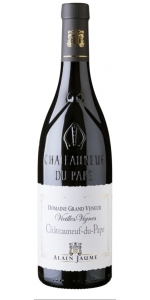
Grand Veneur Chateauneuf Du Pape Vieilles Vignes is made from 50% Grenache, 40% Mourvedre, 10% Syrah
Matured in concrete vats (40%) and oak casks (60%)
It boasts an inky/purple color in addition to a gorgeous perfume of crushed rocks, jammy black fruits, charcoal and graphite. Blackberry aroma with an air of dates pressed in alongside – this is sweet-noted. It is easy to appreciate, a sleek and stylish start. The palate holds excellent fruit that runs well and has kick. Its tannins move round freely and a minted finale comes forward. Its dark fruit is tasty, darkens on the finish, where tar and char from its oak enter. It is all very much together, a bundle of harmony, and will gain local attributes as it ages.
An outstanding Chateauneuf du Pape which display the best of its terroir.
The vines are 50 to 100+ year old. They are planted on red clay soils covered with pebble stones.
Harvest is destemmed and crushed. Fermentation temperature is controlled at 30°C. Vatting period of 18 to 20 days. Matured in concrete vats (40%) and oak casks (60%).
The vineyards are located in the north of Châteauneuf du Pape. GRAND VENEUR «Vieilles Vignes» cuvee is produced from the older vines. Thanks to time and an organic growing, roots go very deep in the soil. Yields are naturally low and grapes highly concentrated.
The vines are 50 to 100+ year old. They are planted on red clay soils covered with pebble stones.
Winemaking and aging
Harvest is destemmed and crushed. Fermentation temperature is controlled at 30°C. Vatting period of 18 to 20 days. Matured in concrete vats (40%) and oak casks (60%).
Pair with venisson, duck, braised lamb or strong cheese.
Review:
"The 2017 Châteauneuf Du Pape Vieilles Vignes is a bigger, richer, more opulent wine. Beautiful notes of blackcurrants, scorched earth, graphite, and crushed violets, all flow to a full-bodied, Châteauneuf Du Pape that has a voluptuous, sexy texture, brilliant depth of fruit, fine tannins, and a purity of fruit that's hard to find in this vintage. It's a thrill a minute, and while it's approachable today, it will keep for 15-20 years. 416 cases."
- Jeb Dunnuck (August 16th 2019),97+ pts
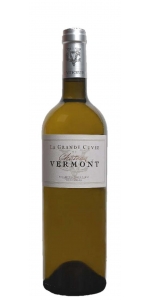
La Grande Cuvee du Chateau Vermont Blanc is made from 70% Sauvignon Blanc and 20% Semillon and 10% Sauvignon Gris.
Traditional blend of "Grand Vin Blanc de Bordeaux", a beautiful wine vinified and matured in barrels. Fine wine, elegant and well-balanced; dominated by Sauvignon (fruitiness), with vanilla notes coming from the oak aging. This wine has beautiful structure and very long-lasting aromas and flavors, providing great aging potential.
Perfect with dish of fish in sauce, scallops, langoustine, and cheeses.
Review:
Some passion fruit, green apple and green mango on the nose, following through to a pure but creamy palate with chalky acidity and elegant citrus and stone-fruit flavors. Drink now."
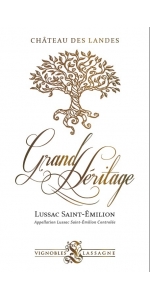
Landes Grand Heritage Lussac Saint Emilion is made from 100 percent Merlot.
First vintage of this wine was 2010 to pay tribute to the founding father of Chateau des Landes - Paul Lassagne. He gave the family a great legacy of terroir, passion and know-how to craft this great cuvee produced from a selection of the finest grapes that are vinified and aged in 600 liter French oak foudres, just like it was done in the old days. The resulting wine is complex and aromatic offering bold aromas and flavors of dark berries, floral tones, spice, oak and vanilla. The palate is onctuous and powerful, well structured with ripe tannins. Well balanced and a complex finish.
Average age of the Vines: 60 years Yield : 50 hectoliters / hectare. Grape picking: harvest by machine. Vats: Stainless steel thermoregulated and computerized. Fermentation: 45 to 50 days with a final 35°C warm steeping. Winemaking: Malolactic fermentation in new oak barrel. Ageing: 16 months in new French Oak barrels from Allier and Limousin. Annual production: 10,000 bottles. (833 cases)
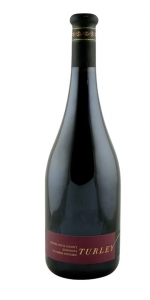
After working with the fruit for over a decade, Turkey is proud to present the first single-vineyard bottling for Turley from the Del Barba Vineyard. Contra Costa is a delta where the San Joaquin and Sacramento rivers meet, and these head-trained vines are planted in deep dehli blow sand, made up of decomposed granite coming down from the Sierra Mountains. The resulting wine embodies the best the delta has to offer: silken textures, ultra fine tannin, and dark saline fruits.
Review:
"The 2023 Zinfandel del Barba is ripe, boisterous and super-expressive. Floral overtones and bright acids run through a core of red/purplish fruit. Sandy soils confer lovely aromatic presence to this pure Zinfandel. This is an especially accessible offering from Turley."
-Vinous 91-93 Points
All older vintage wines have been purchased from a single collectors cellar. Pictures can be requested before shipment.
We are delighted to offer our first Beckstoffer Georges III bottling in many years. The spectacular vineyard site with its back to the Silverado Trail is the historic site of the grand old BV masterpieces produced for most of the last century. It is as pure an expression of Napa Valley terroir as is available anywhere, from anyone. Ripe and round black fruits, spice, blueberry, and cedar, and cigar box aromas are echoed on the palate and balanced by a preternatural lift from natural acidity and a swell of earth notes. A stunning achievement.
Review:
Thick in sage brush, dried herb and earth, this wine is powerfully built and unabashedly ripe. Dark black fruit, mocha and graphite notes arise along the thick, intense palate, leading to finishing touches of slate and iron. Cellaring will help to tame the tannins; enjoy from 2028–2035.
-Cellar Selection Wine Enthusiast 94 Points
Rinaldi Barbera Appassimento is made from 100% Barbera.
Intense ruby red in color. Hints of ripe red fruits, cocoa, tobacco and sweet spices on the nose. Complex, velvety and persistent on the palate.
Hand harvested. The bunches are set on racks to dry for 6 weeks. 20 days of skin contact maceration to extract color without bringing too much tannins. No oak, only stainless steel aging to preserve the fruit character.



