
" We don't sell the wine without touching the vine "
| BUY MORE! SAVE MORE! | ||||||||||||||||||||
|
| Country: | France |
| Region: | Burgundy |
| Winery: | Pernot Belicard |
| Grape Type: | Pinot Noir |
| Organic: | Yes |
| Vintage: | 2020 |
| Bottle Size: | 750 ml |
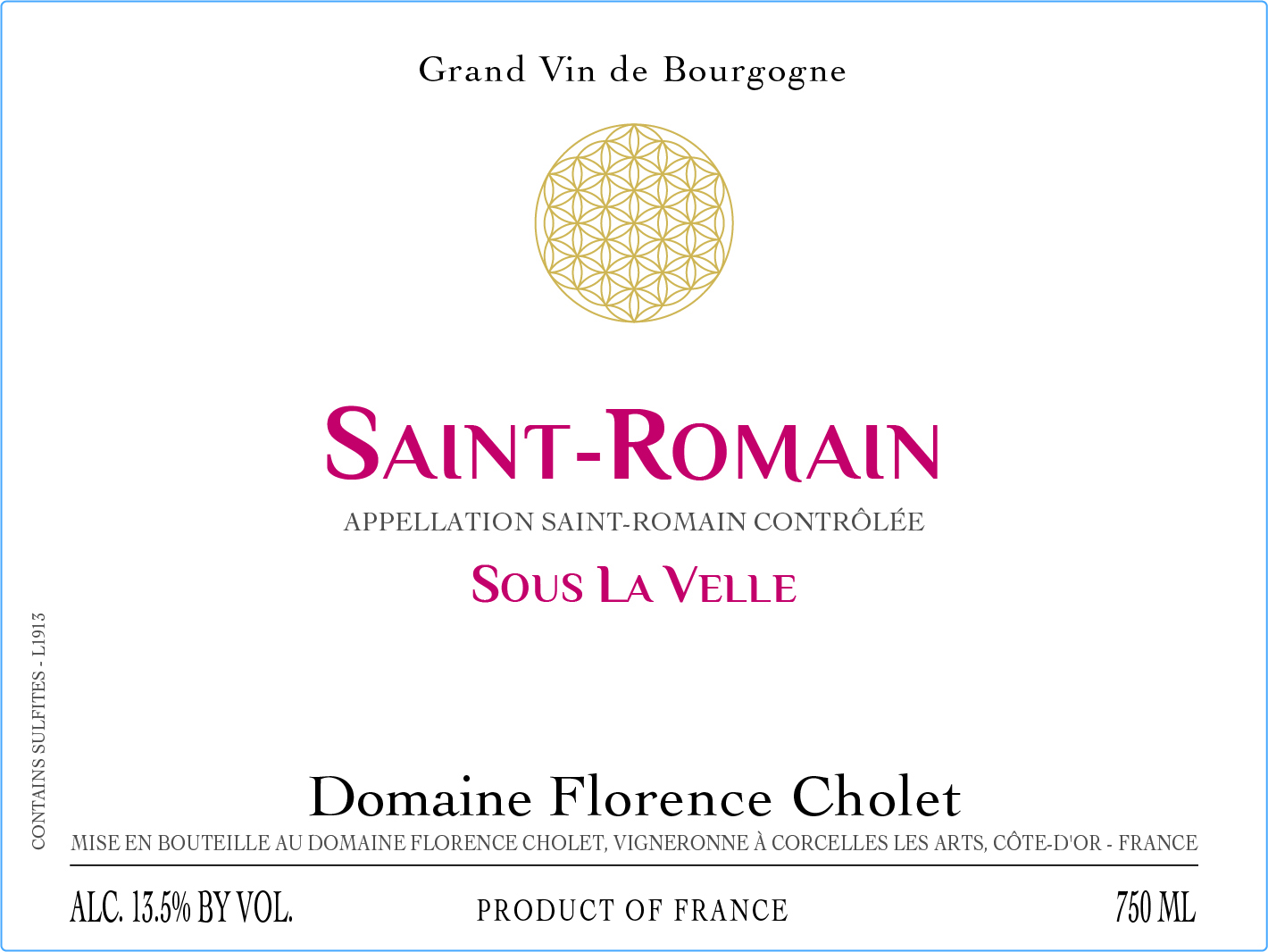
"Sous la Velle" takes its name from its location 'under the village' of Saint Romain. The vineyards enjoy a steep and south facing exposure, planted on marl scree with the vines taking root in the limestone and offering a beautiful minerality to the wine. The nose expresses small red and black fruits, blackcurrant, cherry, raspberry and violet. The mouth provides a rich, supple and elegant wine with a good structure, pure fruit and vibrant acidity.
After destalking the grapes, the juice, skin and pulp are put into the vat for cold maceration. It lasts from 15 to 18 days. The alcoholic fermentation will follow, lasting from 5 to 6 days. These steps may be punctuated by push-downs. Aging in oak for 12 months.
Pork Filet Mignon, Pike Perch, Tomme de Morvan Cheese.
This small six-hectare domaine located in the heart of Puligny-Montrachet is making rapid strides. Philippe Pernot (a scion of the Paul Pernot dynasty) launched the Pernot-Belicard label in 2009 after marrying Miss Belicard, daughter of Mr Belicard (who owned vineyards in Puligny-Montrachet). In the vineyards, Philippe cultivates the soils, de-buds aggressively and takes pains to retain his old vines in good health. The grapes are harvested by hand, with Philippe typically among the earlier pickers in the village. Since 2014, there's more sorting, the grapes passing over a shaker table before being whole cluster pressed. Initially, the wines were bottled to make room for the new vintage, but Philippe, evidently an inquiring mind, felt that something was missing: now, the wines stay in barrel until August, but spend an additional three to six months in temperature controlled stainless steel tanks with the fine lees. The result are wines that are more integrated and complete. These are already very good wines, and Philippe possesses some enviable parcels, but it is his desire to refine and improve that marks this out as an estate to watch.
"Sous la Velle" takes its name from its location 'under the village' of Saint Romain. The vineyards enjoy a steep and south facing exposure, planted on marl scree with the vines taking root in the limestone and offering a beautiful minerality to the wine. The nose expresses small red and black fruits, blackcurrant, cherry, raspberry and violet. The mouth provides a rich, supple and elegant wine with a good structure, pure fruit and vibrant acidity.
After destalking the grapes, the juice, skin and pulp are put into the vat for cold maceration. It lasts from 15 to 18 days. The alcoholic fermentation will follow, lasting from 5 to 6 days. These steps may be punctuated by push-downs. Aging in oak for 12 months.
Pork Filet Mignon, Pike Perch, Tomme de Morvan Cheese.
"Sous la Velle" takes its name from its location 'under the village' of Saint Romain. The vineyards enjoy a steep and south facing exposure, planted on marl scree with the vines taking root in the limestone and offering a beautiful minerality to the wine. The nose expresses small red and black fruits, blackcurrant, cherry, raspberry and violet. The mouth provides a rich, supple and elegant wine with a good structure, pure fruit and vibrant acidity.
After destalking the grapes, the juice, skin and pulp are put into the vat for cold maceration. It lasts from 15 to 18 days. The alcoholic fermentation will follow, lasting from 5 to 6 days. These steps may be punctuated by push-downs. Aging in oak for 12 months.
Pork Filet Mignon, Pike Perch, Tomme de Morvan Cheese.
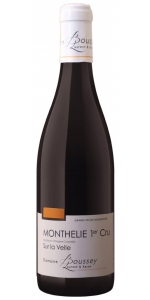
Boussey Monthelie Rouge Premier Cru Sur La Velle is made from 100 percent Pinot Noir.
The grapes for this wine are coming from the parcel located in Monthelie, on the plateau right next to Volnay. They usually produce balanced wines, with a lot of freshness and elegance.
The wine displays aromas of red fruits, with floral notes (violet) and spice. After cellaring for a couple of years, the wine will develop some secondary aromas with truffle and forest flavors.
Delicious with game terrine, sirloin steaks and strong cheese.
Landes Cuvee Tradition Lussac Saint Emilion is made from 80% Merlot, 15% Cabernet Sauvignon and 5% Cabernet Franc
Color: deep ruby intense color.
Aroma: racy and aromatic nose with aromas of ripe red fruit.
Taste: this wine is silky, round and smooth first taste, with aromas of raspberries, and blackcurrant, powerful and complex finish.
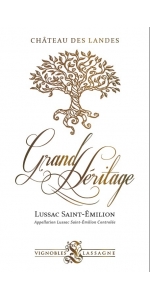
Landes Grand Heritage Lussac Saint Emilion is made from 100 percent Merlot.
First vintage of this wine was 2010 to pay tribute to the founding father of Chateau des Landes - Paul Lassagne. He gave the family a great legacy of terroir, passion and know-how to craft this great cuvee produced from a selection of the finest grapes that are vinified and aged in 600 liter French oak foudres, just like it was done in the old days. The resulting wine is complex and aromatic offering bold aromas and flavors of dark berries, floral tones, spice, oak and vanilla. The palate is onctuous and powerful, well structured with ripe tannins. Well balanced and a complex finish.
Average age of the Vines: 60 years Yield : 50 hectoliters / hectare. Grape picking: harvest by machine. Vats: Stainless steel thermoregulated and computerized. Fermentation: 45 to 50 days with a final 35°C warm steeping. Winemaking: Malolactic fermentation in new oak barrel. Ageing: 16 months in new French Oak barrels from Allier and Limousin. Annual production: 10,000 bottles. (833 cases)
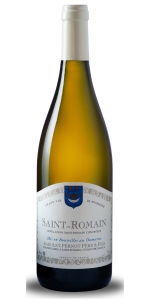
A blend of fruit from estate-owned, small parcels in the high altitude village of Saint-Romain.
Aromas of crushed stones, lemon zest, crisp apricot, wildflowers. Medium-bodied, fresh, lively.
O'Shaughnessy Cabernet Sauvignon is made from 93% Cabernet Sauvignon, 2% Merlot, 2% Malbec, 2% St. Macaire, 1% Petit Verdot.
This 2019 Napa Valley Cabernet Sauvignon has a dark blue/black color and an opaque center. This is a stellar wine with black cherry and blue fruits. The flavors are bright and focused with gorgeous layers of black cherry, plum butter, and mixed berry compote. This expansive Cabernet Sauvignon finishes with flavors of smoked cherry wood and smooth but age worthy tannins.
Review:
The base 2019 Cabernet Sauvignon Napa Valley is terrific, and while I don’t know the price, I suspect it’s a great value. Deep purple-hued, with terrific mulled currant and blackberry fruits, it has lots of ripe herbal, chocolaty spice notes, full-bodied richness, sweet tannins, and a great finish. This is pure Napa Valley goodness to drink over the coming 10-15 years.
-Jeb Dunnuck 94 Points
Hugl Rosselberg Horse Hill Gruner Veltliner is made from 100% Grüner Veltliner
A powerful, very ripe Grüner Veltliner, intense and full-bodied with a long finish.
The ripe grapes are processed very gently with 12 hours on the skins and then vinified in Stainless Steel tanks. No Oak.
A firm mineral backbone, gives it the strength of character to work well with many cuisines.



