
" We don't sell the wine without touching the vine "
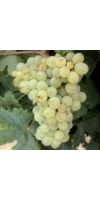
Clairette is an age old grape that originated in the southwestern part of France. Some folks believe that Clairette is made up of more than one grape that was cloned hundreds of years ago. Clairette is a wonderful white grape that is mostly grown in southern France giving wines delicate fruity notes. Clairette is one of the few grapes that are permitted in the production of Chateauneuf-du-Pape wines. The Rhone Valley, Provence, and Languedoc are the main areas of production for Clairette. There are some appellations that even carry the Clairette name, which is unusual for France. Those names include Clairette de Die, Clairette de Bellegarde, and Clairette de Languedoc. Clairette is also one of three varieties that are permitted for the noble white wines of Chateauneuf-du-Pape. The Clairette produces a lively, lemony, fruity flavor as opposed to the Roussanne and Bourboulenc, which provide complexity, longevity, and length. Clairette is also used to produce vermouth as it produces wine that is very high in alcohol and low in acidity. Wines yielded from Clairette are often described as flabby because they can oxidize quite easily. Outside of France, Clairette is also grown in Australia, Sardinia and South Africa for sparkling wines.
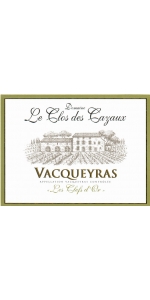
Cazaux Vacqueyras Blanc Les Clefs d'Or is made from 50% Clairette, 30% Roussanne and 20% Grenache Blanc.
A wine with lively acidity, expressive aromas of fennel and white flowers. It is long and full in the mouth with minty and anisy aromas mixed with white peach flavors. Refreshing and mineral character.
Clairette grapes are green harvested to concentrate and harmonize aroma. Each grape varietal is hand picked separately. Pressing with skin contact at low temperature. Aged 12 months in stainless steel tank. (No oak)
Enjoy this wine with all sorts of fish starters, squid salad with olive oil and basil. A must try with fresh oysters.
Review:
"Exotic citrus, pineapple, baking spices, and minty flower notes emerge from the 2023 Vacqueyras Les Clefs D'Or Blanc, a medium-bodied, juicy, lively, balanced white that has the vintage's ripe yet pure, layered, focused style. It's incredibly well done and worth your time and money."
- Jeb Dunnuck (April 1st 2025), 92 pts
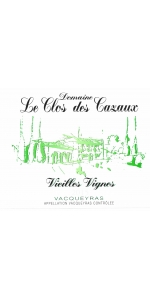
Cazaux Vacqueyras Blanc Vieilles Vignes 50% Clairette, 30% Roussanne and 20% Viognier
The wine has a beautiful golden color.
The aromas are rich and
exotic with mango, almonds, toast, lemon, pineapple white flowers and
papaye. These aromas will develop to honey, butter and pear after ageing
for a few years.
The finish is long, citrusy and toasty.
Terroir: Slopes of sandy soil or grey limestone.
Yield: 25 -30 hl/ha
Age of the vines: 70 years old minimum. The oldest are around 90 years old.
The
grapes are pressed pneumatically after a few hours contact with the
skins.The must is kept at 20°c during the alcoholic fermentation to
optimise the aromas and respect the wine’s suppleness.
Barrel fermented an aged in 228-liter French Oak barrel for 12 months with regular stirrings of the lees.
MaloLactic Fermentation also in barrel.
Enjoy this wine with rich dish, river fish or poultry cooking in creamy sauce. Delicious with a mushroom risotto.

Chateau Cabrieres Chateauneuf du Pape Blanc Confidentiel is 50% Clairette and 50% Grenache Blanc.
Beautiful pale gold color with green reflections. The wine is clear and bright.
A nose of great finesse and richness, with hints of pear and citrus fruit. Racy and dense, with good persistence, this wine will develop nicely on the mineral side.
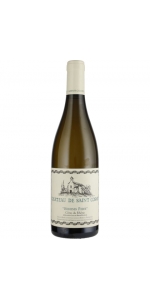
At Saint Cosme, their white wine traditions are as important and time-honored as the reds. The Clairette grape variety has found the ideal place to express itself in the cool, limestone valley of Saint Cosme. Produced by massal selection from the Le Poste vinevard, the Clairette for Hominis Fides thrives in Miocene limestone sand. Its aromas of fennel and grapefruit usher in its finely textured palate, imparting it with substantial agability.
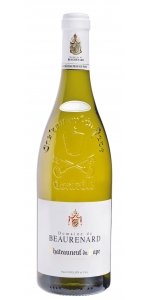
Domaine de Beaurenard Chateauneuf-du-Pape Blanc is made from Clairette blanche & Rose, Grenache Blanc & Gris, Bourboulenc, Roussanne, Picpoul and Picardan.
Gold bright green color. Expressive nose with pear and stone fruits aromas (peach, apricot) with jasmine and roasted almonds notes. The mouth is smooth and fleshy like stone fruit we can smell, with a long a nice finish.
Review:
Always terrific, the 2023 Châteauneuf Du Pape Blanc is no exception, and readers who love vibrant, age-worthy Rhône whites can safely buy this cuvée in just about every vintage. Based on 30% Clairette, 20% Grenache Blanc, 25% Bourboulenc, 22% Roussanne, and splashes of Picardan and Picpoul Blanc, the 2023 reveals a medium gold hue as well as textbook aromatics of pear and orchard fruits intermixed with honeyed flowers, chalky minerality, and subtle green almond nuances. This balanced, medium-bodied, vibrant white is very much in the fresh, focused, yet still textured, approachable style of the vintage.
-Jeb Dunnuck 93 Points
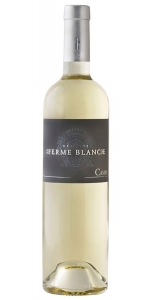
Ferme Blanche Cassis Blanc Excellence is made from 40% Marsanne, 20% Ugni Blanc, 20% Clairette, 10% Sauvignon Blanc and 10% Bourboulenc.
The wine has a pale golden color and offers subtle aromas of citrus fruits, peach and apricot, and floral notes of acacia and linden. Crisp and lively on the palate, good tension and length and a refreshing finish.
Pair with sea stews, shellfish, traditional fish and chips, octopus salad.
Ferme Blanche Cassis Blanc Excellence is made from 50% Marsanne and 50% Clairette.
On the nose, white fruits, citrus zest, hint of vanilla. Velvety well balanced mouth of ripe fruits and minerality.
Pair with trout, Scallop, or better yet lobster would complement this wine perfectly.
Ferme Blanche Cassis Blanc Excellence is made from 50% Marsanne and 50% Clairette.
On the nose, white fruits, citrus zest, hint of vanilla. Velvety well balanced mouth of ripe fruits and minerality.
Pair with trout, Scallop, or better yet lobster would complement this wine perfectly.
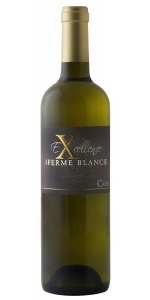
Ferme Blanche Cassis Blanc Excellence is made from 50% Marsanne and 50% Clairette.
On the nose, white fruits, citrus zest, hint of vanilla. Velvety well balanced mouth of ripe fruits and minerality.
Pair with trout, Scallop, or better yet lobster would complement this wine perfectly.
Grand Veneur Chateauneuf du Pape Blanc Le Miocene is made from 60% Clairette, 40% Roussanne
Pale yellow colour with hints of green, aromas of white flowers (may blossom, honeysuckle).
The palate is pleasantly balanced between liveliness and roundness, which brings out characteristics of dried apricot, honey and elderberry. A Châteauneuf du Pape white displaying a great finesse.
Best between 1 and 8 years.
Soil type Coming from the single vineyard named “La Fontaine”, the plot is facing north.It is made of clay-sand and limestone. Thanks to the northern orientation, it is always very well aired. This sector allow the Roussane and Clairette to mature in great conditions without losing freshness, which we believe is key point. Winemaking & ageing Whole-bunch pressing. Vinification in stainless-steel tanks. Fermentation temperature controlled at 15°C.

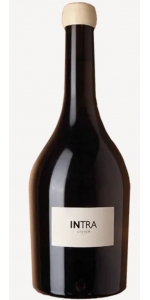
Xavier Vignon Extra white Côtes-du-Rhône NV is 40% Clairette, 30% Grenache Blanc, 20% Roussanne and 10% Picpoul.
Traditional vinification. A very long fermentation lasting several months (6 to 8 months) to allow the yeasts to release more aromatic compounds, followed by immersion in Vinarium®.
Aged in Vinarium® for 24 months: a truncated wooden vat designed to hold and immerse 5 barrels. In this way, the CO2 produced by the Intra becomes the natural preservative for the Extra.
Pale and clear yellow.
Subtly oaked with hints of toasted bread, notes of honey mixed with pear.
Fresh and lively attack, well-balanced acidity and long lemony finish on the palate.
Pairs well with fresh cheese., sushi and pesto pastas.
Paul Hobbs Beckstoffer To Kalon Vineyard Cabernet Sauvignon is made from 100 percent Cabernet Sauvignon.
Farmed with a unique precision to match the unparalleled terroir of this historic Oakville site, this vintage is ethereal, delicate, and nuanced. An attractive deep garnet in appearance, this wine expresses soft red cherry, strawberry, floral, and graphite. The palate is full and lively with flavors of blueberry, blackberry, sandalwood, and dried herbs, supported by a lovely grip of tannins and well-tensioned texture that leads to a long, refined finish.
Review:
More expressive and open-knit, the 2019 Cabernet Sauvignon Beckstoffer To Kalon Vineyard sports a similar ruby/purple to go with an incredible array of black raspberry, cassis, flowery incense, orange blossom, smoked tobacco, and exotic spice. As are all To Kolans, it's incredibly perfumed and complex aromatically, and it's one of those wines that changes every time you come back to the glass. Full-bodied on the palate, it offers beautiful richness and depth, a light, graceful mouthfeel, silky tannins, and a heavenly finish. It's another magical wine from this talented winemaker that readers will absolutely love.
-Jeb Dunnuck 99 Points
Figaro Tinto Calatayud is 100% Garnacha, made from a selection of the best grapes grown in the oldest vineyards. While not truly an "oaked wine", a short stay in oak barrels provides a nice spicy flavor boost.
Tasting notes: Bright violet. Dark berry and cherry aromas show a jammy aspect. Supple and gently sweet, with good lift to its black raspberry and boysenberry flavors. Smooth and broad on the finish, leaving behind a hint of spiciness. Extremely easy to drink and an excellent value.



