
" We don't sell the wine without touching the vine "
| BUY MORE! SAVE MORE! | ||||||||||||||||||||
|
| Country: | United States |
| Regions: | California California (Napa) |
| Winery: | Clos du Val |
| Grape Type: | Cabernet Sauvignon |
| Vintage: | 2019 |
| Bottle Size: | 750 ml |
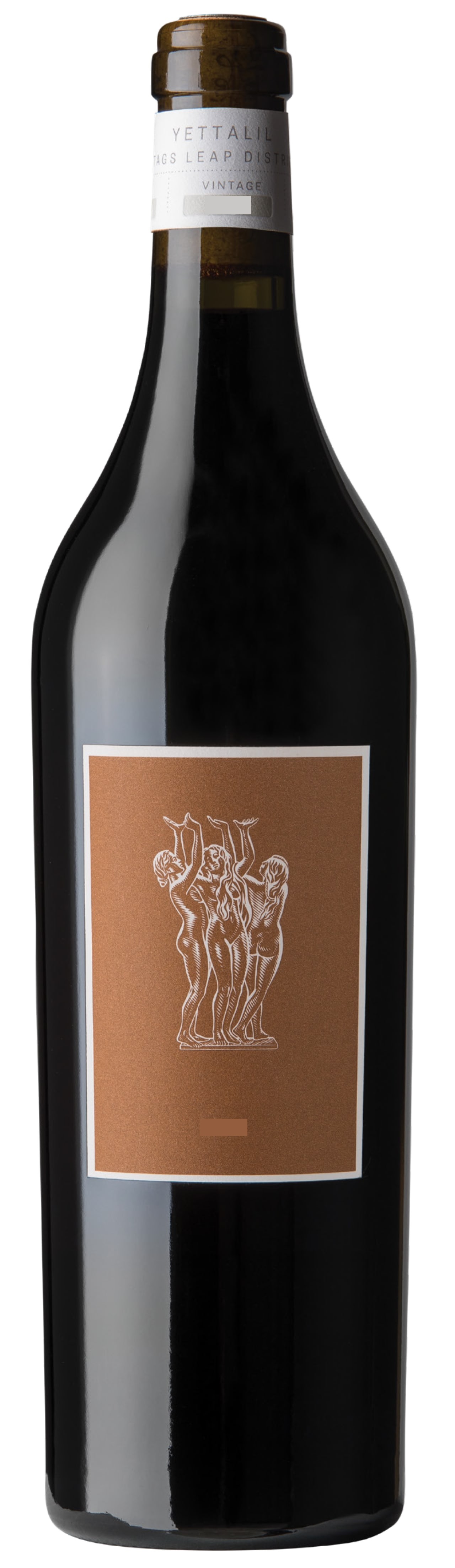
Clos Du Val Yettalil is a Bordeaux blend of Cabernet Sauvignon with Merlot, Cabernet Franc, Petit Verdot and Malbec
The 2019 Yettalil opens with aromas of fresh blackberry, ripe plum, and racy cassis layered with hints of violet, bay leaf, and thyme. Beautifully balanced and elegant on the palate, vibrant acidity and polished tannins give way to a concentrated core of black cherry, vanilla, and cedar. The texture is velvety and plush with a backbone of graphite and dark chocolate that lingers through a long finish.
Review:
The 2019 Yettalil is a blend of Cabernet Sauvignon, Merlot, Cabernet Franc, Petit Verdot, and Malbec. Deep garnet-purple in color, it charges out with energetic notes of crushed black and red currants, warm black plums, and black raspberries, plus suggestions of cedar, violets, and Indian spice with a waft of tree bark. The medium to full-bodied palate is lively and well-structured, featuring firm, ripe tannins to frame the muscular fruits, finishing on a lingering fragrant earth note.
-Wine Independent 95 Points
At the heart of Clos du Val is an epic love story. Wine, after all, is a product of passion, and ours is the passion project of John and Henrietta Goelet, together with winemaker Bernard Portet.
It was the early 1970s in France. The young couple were world travelers, patrons of the arts, and entrepreneurs who brought a visionary spirit to their every endeavor. They adored the wine culture of France, where they lived for many years, and shared family ties to some of Bordeaux’s most storied wine merchants, Barton & Guestier. They dreamt of founding a winery outside the insular world of the French wine industry, and sharing their love for French-style wines with the world. At the time, it was a daring idea–fine wine was still synonymous with France, and it was widely believed that nowhere else on earth could rival such terroir, tradition, and winemaking excellence.
The two took a chance, and challenged a young Bernard Portet–fresh out of winemaking school and steeped in the Bordeaux tradition–to travel the world and find a place where they could grow Cabernet Sauvignon that would rival the world’s best. A two-year global search ensued, ultimately leading Portet to the Napa Valley before it was recognized as a world-class wine region. Together with Bernard, the couple planted their first vineyard and began production of their beloved Bordeaux-style wines. Soon, early vintages of Clos du Val were turning heads at top competitions in France and the U.S., kickstarting what would become one of the couple’s biggest adventures yet.
Over the last half of a century, Clos du Val has seen three generations of Goelet family ownership. The winery is now held by John and Henrietta’s six grandchildren, including our Head of Winegrowing and Chairman, Olav Goelet.
Long Shadows Pedestal Merlot is made from 82% Merlot, 14% Cabernet Sauvignon, and 4% Malbec.
Michel Rolland, Pomerol vintner and consultant to many of the world's top wineries, teamed with Washington State wine visionary Allen Shoup to produce this limited release wine.
With its intense color and inviting aromas of dark berries, licorice, baking spice and a hint of smoke, the Pedestal is a bold wine that leaves a lasting impression. Dark fruit flavors integrated with sweetness from the barrel and richness from the tannins come together seamlessly, lingering across a structured mid-palate and lengthy finish.
Winemaking: Hand-harvested grapes were double-sorted to remove green material that might impart harsh tannins, then most of the lots were cold soaked to build richness and flavor before undergoing whole-berry fermentation in 55L upright French wood tanks. This, combined with gentle pump-overs throughout fermentation, enhanced the wine’s color, texture and mouthfeel. The finished wine was aged 22 months in 85% new French oak barrels.
Review:
Vinous 96 Points
"The 2016 Pedestal Merlot has a precise nose of dusty plum, red flowers and soft oak tones with an elegant aroma of pencil lead fluttering about. The medium to full-bodied palate is clean and correct, with plush dark red fruit, dusty tannins, purple flowers and soft oak spices of vanilla, cardamom and nutmeg. The wine ends with a long, thoughtful, well-balanced finish that delivers complexity and pleasure simultaneously. Michel Rolland made this beauty of a bottle. - Anthony Mueller"
- Robert Parker's Wine Advocate (Issue #246, December 2019), 94 pts
Paradigm Cabernet Sauvignon is made from 90% Cabernet Sauvignon, 8% Merlot, 1% Petit Verdot, 1% Cabernet Franc
20 months in French oak (only about a third of that is new oak) and for 20 more months in bottle before release
Our winemaking "style" is solely determined by this place or terrior we call "Paradigm." Winemaking is agriculture when you own your vineyards and are able to farm them to promote the very best Earth will give you. All of our selections of wines are made from five varietals on the estate. Every wine is 100% farmed and grown by us.
Complexity in our wines supported by luscious fruit and acidity is our hallmark. Our efforts during harvest and barrel cellaring concentrate on maintaining the freshness from the first day we handpicked each vineyard block. Simple winemaking protocols are employed while crucial “timing” oriented winemaking decisions rule each day.
Dark Cabernet color with beautiful aromas of black cherry, cassis, plus 5-spice, vanilla. Big, ripe and mouthcoating across the palate. The flavors are similar to the aromas with ripe fruit, berry/cherry pie, moderate tannins, and nice length. This wine shows enough structure to be age-worth, yet soft and balanced enough to enjoy upon release. Flavors linger in this tasty, dense wine. Tastes like Oakville. -Heidi Barrett
Paradigm Cabernet Sauvignon is made from 90% Cabernet Sauvignon, 8% Merlot, 1% Petit Verdot, 1% Cabernet Franc
20 months in French oak (only about a third of that is new oak) and for 20 more months in bottle before release
Our winemaking "style" is solely determined by this place or terrior we call "Paradigm." Winemaking is agriculture when you own your vineyards and are able to farm them to promote the very best Earth will give you. All of our selections of wines are made from five varietals on the estate. Every wine is 100% farmed and grown by us.
Complexity in our wines supported by luscious fruit and acidity is our hallmark. Our efforts during harvest and barrel cellaring concentrate on maintaining the freshness from the first day we handpicked each vineyard block. Simple winemaking protocols are employed while crucial “timing” oriented winemaking decisions rule each day.
Grand Veneur Chateauneuf Du Pape Vieilles Vignes is made from 50% Grenache, 40% Mourvedre, 10% Syrah
Matured in concrete vats (40%) and oak casks (60%)
It boasts an inky/purple color in addition to a gorgeous perfume of crushed rocks, jammy black fruits, charcoal and graphite. Blackberry aroma with an air of dates pressed in alongside – this is sweet-noted. It is easy to appreciate, a sleek and stylish start. The palate holds excellent fruit that runs well and has kick. Its tannins move round freely and a minted finale comes forward. Its dark fruit is tasty, darkens on the finish, where tar and char from its oak enter. It is all very much together, a bundle of harmony, and will gain local attributes as it ages.
An outstanding Chateauneuf du Pape which display the best of its terroir.
The vines are 50 to 100+ year old. They are planted on red clay soils covered with pebble stones.
Harvest is destemmed and crushed. Fermentation temperature is controlled at 30°C. Vatting period of 18 to 20 days. Matured in concrete vats (40%) and oak casks (60%).
The vineyards are located in the north of Châteauneuf du Pape. GRAND VENEUR «Vieilles Vignes» cuvee is produced from the older vines. Thanks to time and an organic growing, roots go very deep in the soil. Yields are naturally low and grapes highly concentrated.
The vines are 50 to 100+ year old. They are planted on red clay soils covered with pebble stones.
Winemaking and aging
Harvest is destemmed and crushed. Fermentation temperature is controlled at 30°C. Vatting period of 18 to 20 days. Matured in concrete vats (40%) and oak casks (60%).
Pair with venisson, duck, braised lamb or strong cheese.
Review:
"Up with the crème de la crème of the vintage, the 2018 Châteauneuf Du Pape Vieilles Vignes is a bigger, richer wine than the Les Origines cuvée and has a beautiful core of smoked black fruits, candied violets, peppery garrigue, and scorched earth-like aromas and flavors. Playing in the medium to full-bodied end of the spectrum, it’s flawlessly balanced and has terrific tannins, a stacked mid-palate, and a great finish. It certainly shows the more front end-loaded, fleshy, mildly concentrated style of the 2018 vintage, yet the balance is top-notch, and it’s just a thrill to drink today. It should evolve nicely for 10-15 years."
- Jeb Dunnuck (October 2020),96 pts
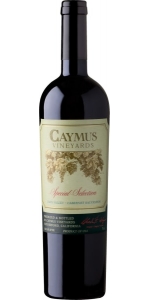
Winery Notes:
Each year, we set aside the best barrels of our Cabernet Sauvignon from Napa Valley to produce Special Selection. Distinguished by extremely fine, velvety tannins and enjoyable upon release or with aging. A wine of structure with intense concentration of supple flavors and dark fruits. Special Selection is the only wine in the world honored twice as Wine Spectator magazine’s “Wine of the Year.”
Johann Michel Cornas Cuvee Mere Michel is made from 100 percent Syrah.
Cuvee Mère Michel was first introduced in 2016 and is not produced every year. This wine is a tribute to Johann Michel' wife, Emmanuelle, and a nod to the French song, La Mere Michel. This wines comes from Selection Massale (replanting new vineyards with cuttings from exceptional old vines from the same property) cuttings of Serine off the 1947 Yves Cuilleron vineyard at Chavanay. The vineyards are located in the lieu-dit "Les Cotes" at an altitude of 230 meters and benefiting from a southern sun exposure.
Review:
"Only made in top vintages, the 2018 Cornas Mère Michel is a tribute to Johann's wife and a play on the French song "La Mere Michelle." Brought up in a new demi-muid, it's a richer, broader wine compared to the Cuvée Jana yet still has incredible Cornas style in its red, black, and blue fruits as well as notes of toasted spice, roasted meat, chocolate, and wild herbs. Rich, full-bodied, and opulent, it has a touch more upfront appeal and should be drinkable in just 4-5 years yet also evolve for two decades." -
Jeb Dunnuck (Northern Rhône: The 2018s and 2019s, November 19th 2020), 98 pts
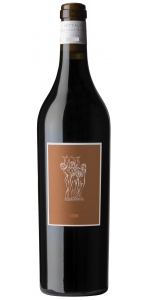
Clos Du Val Yettalil is a Bordeaux blend of 70% Cabernet Sauvignon, 8% Cabernet Franc, 8% Petit Verdot, 6% Malbec, 5% Carménère, 3% Merlot
A tribute to Clos du Val's founding matriarch, Henrietta Goelet, Yettalil is the fullest expression of their Stags Leap District Estate. A blend of primarily Cabernet Sauvignon, the wine is supported by Cabernet Franc, Merlot, Malbec, Carménère, and Petit Verdot.
Yettalil draws you into the glass with captivating aromas of blackberry, plum, cherry compote, fresh sage, and spice. Expressive yet composed, the layers foretell a wine of character and complexity. As you taste, the wine sweeps across the palate with polished tannins and flavors of pure blackcurrant. The 2022 vintage's vibrant acidity carries the wine towards along, smooth finish.
Review:
Fragrant and expressive with aromas of red and black currants, lavender and fresh spearmint. Medium- to full-bodied with supple texture and fine, integrated tannins. There’s a cool-fruit elegance, layered with floral spices and a touch of cedar. Balanced and refined with quiet persistence. Very good. Drink now or from 2028.
- James Suckling 97 Points
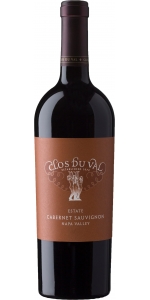
Clos du Val Estate Cabernet Sauvignon is made from 76% Cabernet Sauvignon, 7% Merlot, 5% Malbec and 1% each Cabernet Franc and Petit Verdot.
This fresh and vibrant Napa Valley Cabernet Sauvignon is brimming with aromas of blackberry, mulberry, cassis, and violet. On the palate, bright flavors of cranberry, red plum, cherry, and lavender are intertwined with supple tannins, balanced acidity, and a long, smooth finish.
Review:
"Sleek tannins, guided by sweet earth, slate, purple plum and black olive. Savory notes of fig, toasted cedar, and black tea meld with blackberries. Well structured and impeccably balanced."
-Tasting Panel 96 Points
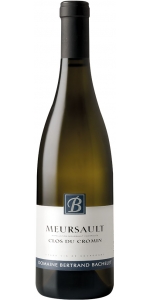
Bertrand Bachelet Meursault Clos du Cromin is made from 100 percent Chardonnay.
Meursault, the world-renowned appellation, has produced mostly fine white wines for centuries.
Meursault Clos du Cromin takes its name from the village "Le Cromin", situated in the north-east of the appellation, close to the Volnay vineyard, in rich, clay soil.
The wine reveals a beautifully transparent and brilliant color, a subtle nose of citrus fruits, butter and honey, and a long finish.
Pairs with a noble fish, or white meat in sauce.
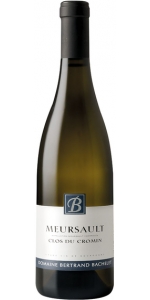
Bachelet Bertrand Meursault Clos du Cromin is made from 100 percent Chardonnay.
Meursault, the world-renowned appellation, has produced mostly fine white wines for centuries. Meursault Clos du Cromin takes its name from the village 'Le Cromin', situated in the north-east of the appellation, close to the Volnay vineyard, in rich, clay soil.
The wine reveals a beautifully transparent and brilliant color, a subtle nose of citrus fruits, butter and honey, and a long finish.
Pairs with a noble fish, or white meat in sauce.

All older vintage wines have been purchased from a single collectors cellar. Pictures can be requested before shipment.
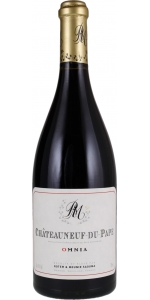
The aging is as Mounir ages his Burgundies: extremely long, never racked, no fining, no filtration. It would be easy to say that we expected the experience running one of Burgundy’s leading producers, Lucien Le Moine, would show in Mounir’s wines. But the actual results need to be tasted to be believed and understood: a wine with beguiling fruit and savory richness, yet extraordinary finesse and detail.
Mounir Saouma likes to describe Châteauneuf-du-Pape as a mosaic, with all the wild traditions and differences together making for very different interpretations. Omnia, Latin for “all,” is his attempt to encompass the entire region’s terroir and winemaking history (and perhaps future) in one glass. The fruit comes from 9 vineyard parcels across all 5 of the Châteauneuf communes, Châteauneuf-du-Pape, Courthezon, Sorgues, Bedarrides and Orange (in early vintages, when the Saoumas did not have all the vineyards they have today, they would purchase fruit; today, Rotem & Mounir Saouma is 100% Estate). The wine is then vinified and aged in foudres, cement and 500 liter barrels – a little bit of everything.
2019 was another warm and dry vintage in the southern Rhône, marked by insistent drought and repeated heat waves during the season. With little disease pressure or frost, the crop was close to normal size, but bunch and berry-size was reduced during the growing season by the lack of water. The grapes were thus concentrated and rich in sugar and acidity, although potential alcohol levels were often quite high. Vineyards at higher elevations – Châteauneuf du Pape and Gigondas in particular — handled the heat better, and the wines from those AOPs are rich yet also remarkably fresh and energetic. Despite the initial concerns about the growing season, 2019 looks to be a watershed vintage in the Southern Rhône, producing rich wines with exceptional concentration and aging potential
Inviting aromas of sliced strawberries, red cherries and rose. Full-bodied with vibrant acidity and succulent fruit. Fine, structured tannins are vertically aligned with the fruit. More dark-fruited than the nose lets on and entirely delicious. I love the subtle spice here.
-James Suckling 94 Points
Very refined, with silky and fine-grained structure carrying alluring bergamot, rooibos tea, incense, dried cherry and lightly mulled raspberry notes along. A long sanguine thread weaves through the finish. Hard to resist now with so much charm, but this will benefit from cellaring. Grenache, Syrah and Mourvèdre.
-Wine Spectator 94 Points
Ghost Hull Cabernet Sauvignon is made of 100 percent Cabernet Sauvignon.
Aromas of blackberry, elderberry and ripe plum are accentuated by notes of mocha, fresh tarragon, vanilla and oak. The palate is full-bodied and offers a lovely balance of acidity and tannins accompanied by rich flavors of dark fruit and black currant, ending with a juicy and lingering finish
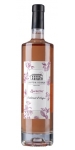
Brize Cabernet d'Anjou Rose Louresses is made from Cabernet Franc.
Cabernet d'Anjou is a semi-sweet rosé wine from the Loire Valley, produced from Cabernet Franc and/or Cabernet Sauvignon grapes. The 'Louresses' designation refers to the specific vineyard parcel at Domaine de Brize.
This charming rosé offers a beautiful salmon-pink color with delicate aromas of strawberry, raspberry, and rose petals. On the palate, it is fresh and fruity with a hint of sweetness balanced by crisp acidity.
Perfect as an aperitif, or pair with Asian cuisine, spicy dishes, or fresh fruit desserts.



