
" We don't sell the wine without touching the vine "
| BUY MORE! SAVE MORE! | ||||||||||||||||||||
|
| Country: | United States |
| Regions: | California California (Napa) |
| Winery: | Clos du Val |
| Grape Type: | Cabernet Sauvignon |
| Vintage: | 2022 |
| Bottle Size: | 750 ml |
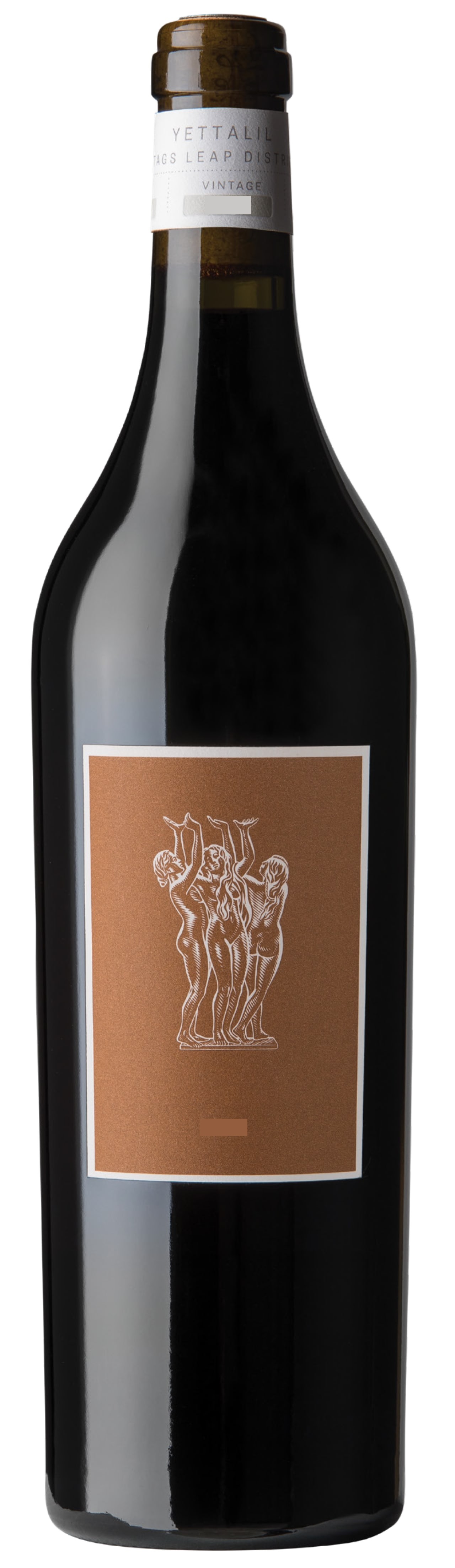
Clos Du Val Yettalil is a Bordeaux blend of 70% Cabernet Sauvignon, 8% Cabernet Franc, 8% Petit Verdot, 6% Malbec, 5% Carménère, 3% Merlot
A tribute to Clos du Val's founding matriarch, Henrietta Goelet, Yettalil is the fullest expression of their Stags Leap District Estate. A blend of primarily Cabernet Sauvignon, the wine is supported by Cabernet Franc, Merlot, Malbec, Carménère, and Petit Verdot.
Yettalil draws you into the glass with captivating aromas of blackberry, plum, cherry compote, fresh sage, and spice. Expressive yet composed, the layers foretell a wine of character and complexity. As you taste, the wine sweeps across the palate with polished tannins and flavors of pure blackcurrant. The 2022 vintage's vibrant acidity carries the wine towards along, smooth finish.
Review:
Fragrant and expressive with aromas of red and black currants, lavender and fresh spearmint. Medium- to full-bodied with supple texture and fine, integrated tannins. There’s a cool-fruit elegance, layered with floral spices and a touch of cedar. Balanced and refined with quiet persistence. Very good. Drink now or from 2028.
- James Suckling 97 Points
At the heart of Clos du Val is an epic love story. Wine, after all, is a product of passion, and ours is the passion project of John and Henrietta Goelet, together with winemaker Bernard Portet.
It was the early 1970s in France. The young couple were world travelers, patrons of the arts, and entrepreneurs who brought a visionary spirit to their every endeavor. They adored the wine culture of France, where they lived for many years, and shared family ties to some of Bordeaux’s most storied wine merchants, Barton & Guestier. They dreamt of founding a winery outside the insular world of the French wine industry, and sharing their love for French-style wines with the world. At the time, it was a daring idea–fine wine was still synonymous with France, and it was widely believed that nowhere else on earth could rival such terroir, tradition, and winemaking excellence.
The two took a chance, and challenged a young Bernard Portet–fresh out of winemaking school and steeped in the Bordeaux tradition–to travel the world and find a place where they could grow Cabernet Sauvignon that would rival the world’s best. A two-year global search ensued, ultimately leading Portet to the Napa Valley before it was recognized as a world-class wine region. Together with Bernard, the couple planted their first vineyard and began production of their beloved Bordeaux-style wines. Soon, early vintages of Clos du Val were turning heads at top competitions in France and the U.S., kickstarting what would become one of the couple’s biggest adventures yet.
Over the last half of a century, Clos du Val has seen three generations of Goelet family ownership. The winery is now held by John and Henrietta’s six grandchildren, including our Head of Winegrowing and Chairman, Olav Goelet.

Clos Du Val Yettalil is a Bordeaux blend of Cabernet Sauvignon with Merlot, Cabernet Franc, Petit Verdot and Malbec
The 2019 Yettalil opens with aromas of fresh blackberry, ripe plum, and racy cassis layered with hints of violet, bay leaf, and thyme. Beautifully balanced and elegant on the palate, vibrant acidity and polished tannins give way to a concentrated core of black cherry, vanilla, and cedar. The texture is velvety and plush with a backbone of graphite and dark chocolate that lingers through a long finish.
Review:
The 2019 Yettalil is a blend of Cabernet Sauvignon, Merlot, Cabernet Franc, Petit Verdot, and Malbec. Deep garnet-purple in color, it charges out with energetic notes of crushed black and red currants, warm black plums, and black raspberries, plus suggestions of cedar, violets, and Indian spice with a waft of tree bark. The medium to full-bodied palate is lively and well-structured, featuring firm, ripe tannins to frame the muscular fruits, finishing on a lingering fragrant earth note.
-Wine Independent 95 Points

Clos du Val Estate Cabernet Sauvignon is made from 76% Cabernet Sauvignon, 7% Merlot, 5% Malbec and 1% each Cabernet Franc and Petit Verdot.
This fresh and vibrant Napa Valley Cabernet Sauvignon is brimming with aromas of blackberry, mulberry, cassis, and violet. On the palate, bright flavors of cranberry, red plum, cherry, and lavender are intertwined with supple tannins, balanced acidity, and a long, smooth finish.
Review:
"Sleek tannins, guided by sweet earth, slate, purple plum and black olive. Savory notes of fig, toasted cedar, and black tea meld with blackberries. Well structured and impeccably balanced."
-Tasting Panel 96 Points

Clos Saint-Jean is a 41-hectare estate in Châteauneuf-du-Pape run by brothers Vincent and Pascal Maurel. Considered by many critics and wine-writers as the preeminent estate espousing the modern style of winemaking in Châteauneuf, this cellar is one of the oldest in the region, having been founded in 1900 by the greatgreat-grandfather of Vincent and Pascal, Edmund Tacussel. A short time after its founding and well before the AOP of Chateauneuf-du-Pape was created in 1923, Edmund began bottling estate wines in 1910.
The farming at Clos Saint-Jean is fully sustainable due to the warm and dry climate, which prevents the need for chemical inputs. Instead, Vincent and Pascal employ organic methods for pest control, mainly pheromones, to prevent pests from taking up residence in their vines, a process called amusingly enough in French, confusion sexuelle. The vines tended manually, and harvest is conducted in several passes entirely by hand.
Deus ex Machina is a literary and dramatic term for a miraculous intervention that interrupts a logical course of events in a plot or play. A suitable name for a cuvée that had it’s start in the torrid vintage of 2003 when Philippe Cambie and Vincent Maurel made the decision to harvest at the end of September, weeks after their neighbors. Deus ex Machina is a blend of old vine Grenache from La Crau, aged in tank with equally ancient Mourvedre from the sandy soils of BoisDauphin aged in demi-muid. Deus ex Machina is only made in the best vintages.
Review:
Lastly, the 2022 Châteauneuf Du Pape Deus-Ex Machina shows a similar profile to the Combes des Fous, yet it brings another level of tannins and concentration. Kirsch liqueur, white flowers, sandalwood, cured meats, and graphite notes all shine here, and it's full-bodied, has a deep, layered, powerful, yet weightless profile, lots of ripe tannins, and a blockbuster of a finish. This ripe, sexy, seamless, incredibly impressive beauty will compete with anything in the vintage. As usual, this cuvée is 60% Grenache and 40% Mourvedre, which is brought up in roughly 40% new demi-muids.
Review: Jeb Dunnuck 97 Points

Alain Jaume Domaine du Clos de Sixte Lirac is made from 50% Grenache, 35% Syrah, 15% Mourvedre
An intense red garnet color. On the nose, aromas of red and black ripe fruit (kirsch and wild blackberry). The mouth is full, with aromas of blackcurrant liqueur and spice. Tannins are both harmonious and elegant thanks to the fleshiness of the wine. Hints of licorice and vanilla on the finish, which gives the wine length and complexity.
Soil type LIRAC vineyard is facing Chateauneuf du Pape, opposite side of the Rhône river. As showed by the picture and following geologist George Truc, soils are almost similar in both side. They are marked by the violence wrought by the Rhone river. It consists of a layer of marine molasses of the Miocene period covered by alpine alluvium. The presence of a great number of rounded stones known as "galets" in the earth is evidence of the time when the Rhone, then a torrent, tore fragments of rock from the Alps and deposited them on the plain. LIRAC is one of the up-coming best area from the southern Rhône valley, as it delivers outstanding wines. Winemaking & ageing Traditional wine-making in stainless still vats. Hand sorted bunches, crushed and destemmed grapes. Fermentation temperature : 30°C. 18 days of vatting with pigeages.
Review:
"I love the dark and meaty aromas of this Lirac, which also has an herbal freshness and just a hint of bitter chocolate. Medium- to full-bodied with licorice and restrained forest berry fruit on the velvety palate. Extremely well-balanced finish. From organically grown grapes. Drink or hold."
- James Suckling (April 2024), 92 pts

Alain Jaume Domaine du Clos de Sixte Lirac is made from 50% Grenache, 35% Syrah, 15% Mourvedre
An intense red garnet color. On the nose, aromas of red and black ripe fruit (kirsch and wild blackberry). The mouth is full, with aromas of blackcurrant liqueur and spice. Tannins are both harmonious and elegant thanks to the fleshiness of the wine. Hints of licorice and vanilla on the finish, which gives the wine length and complexity.
Soil type LIRAC vineyard is facing Chateauneuf du Pape, opposite side of the Rhône river. As showed by the picture and following geologist George Truc, soils are almost similar in both side. They are marked by the violence wrought by the Rhone river. It consists of a layer of marine molasses of the Miocene period covered by alpine alluvium. The presence of a great number of rounded stones known as "galets" in the earth is evidence of the time when the Rhone, then a torrent, tore fragments of rock from the Alps and deposited them on the plain. LIRAC is one of the up-coming best area from the southern Rhône valley, as it delivers outstanding wines. Winemaking & ageing Traditional wine-making in stainless still vats. Hand sorted bunches, crushed and destemmed grapes. Fermentation temperature : 30°C. 18 days of vatting with pigeages.
Review:
"I love the dark and meaty aromas of this Lirac, which also has an herbal freshness and just a hint of bitter chocolate. Medium- to full-bodied with licorice and restrained forest berry fruit on the velvety palate. Extremely well-balanced finish. From organically grown grapes. Drink or hold."
- James Suckling (April 2024), 92 pts

Clos des Cazaux Gigondas Le Souiras is 100% Grenache.
“Le Souiras” is the terroir located at the very South end of the Gigondas appellation. Here, in the midst of the Dentelles de Montmirail, an extraordinary calcareous massif, we planted grapevines on slopes surrounded by Mediterranean vegetation.
We are situated at an altitude of 250 meters, where the nights are cooler. The terroir is stony with a layer of grey and blue clay under the topsoil. The slopes face West and are protected from the strong summer sun by the Montmirail hill. Due to this ideal microclimate, our old Grenache grapevines contain all the complexity and balance of this sunny terroir.
Color : Dark intense ruby color.
Bouquet : Notes of little red fruits, white pepper, caramel and juniper.
Palate : The first impression is arresting and generally qualified as round, complex and dense.
The aromas of black cherry, mocha and white pepper are very intense. The palate is powerful, elegant and velvety.
The finish is long, with very silky tannins and a very slight bitterness that gives this exceptional Grenache an impression of freshness.
Review:
"A brilliant wine that has so much to love, the 2022 Gigondas Le Souiras is all Grenache that was brought up in barrels. It exhibits a vivid ruby hue as well as classic kirsch and blackberry fruit intermixed with peppery garrigue, spice, and ample Provençal nuances. This medium-bodied, fresh, focused 2022 has a beautiful sense of elegance, fine tannins, and the balance to evolve gracefully over the coming 10-12 years."
- Jeb Dunnuck (December 5th 2024), 94 pts

Clos Saint-Jean is a 41-hectare estate in Châteauneuf-du-Pape run by brothers Vincent and Pascal Maurel. Considered by many critics and wine-writers as the preeminent estate espousing the modern style of winemaking in Châteauneuf, this cellar is one of the oldest in the region, having been founded in 1900 by the greatgreat-grandfather of Vincent and Pascal, Edmund Tacussel. A short time after its founding and well before the AOP of Chateauneuf-du-Pape was created in 1923, Edmund began bottling estate wines in 1910.
The farming at Clos Saint-Jean is fully sustainable due to the warm and dry climate, which prevents the need for chemical inputs. Instead, Vincent and Pascal employ organic methods for pest control, mainly pheromones, to prevent pests from taking up residence in their vines, a process called amusingly enough in French, confusion sexuelle. The vines tended manually, and harvest is conducted in several passes entirely by hand.
Deus ex Machina is a literary and dramatic term for a miraculous intervention that interrupts a logical course of events in a plot or play. A suitable name for a cuvée that had it’s start in the torrid vintage of 2003 when Philippe Cambie and Vincent Maurel made the decision to harvest at the end of September, weeks after their neighbors. Deus ex Machina is a blend of old vine Grenache from La Crau, aged in tank with equally ancient Mourvedre from the sandy soils of BoisDauphin aged in demi-muid. Deus ex Machina is only made in the best vintages.
Review:
Lastly, the 2022 Châteauneuf Du Pape Deus-Ex Machina shows a similar profile to the Combes des Fous, yet it brings another level of tannins and concentration. Kirsch liqueur, white flowers, sandalwood, cured meats, and graphite notes all shine here, and it's full-bodied, has a deep, layered, powerful, yet weightless profile, lots of ripe tannins, and a blockbuster of a finish. This ripe, sexy, seamless, incredibly impressive beauty will compete with anything in the vintage. As usual, this cuvée is 60% Grenache and 40% Mourvedre, which is brought up in roughly 40% new demi-muids.
Review: Jeb Dunnuck 97 Points

2021 Rossj-Bass displays the main features of the vintage well, with intense fruit concentration and floral notes. The nose shows ripe citrus notes of lemon peel and orange evolving into tropical fruits. The richness of the nose and the same notes are reflected on the palate, where remarkable acidity balances the fruit concentration. The wine is rich, full-bodied and creamy, with a long finish.
Review:
The 2021 Gaja Rossj-Bass starts off with very, crisp, green fruit and much more Sauvignon Blanc dominant aromas of grassy, bright, fragrant green apple and green pepper - all very bright and cheerful. Then Chardonnay seems to take over in the medium-full bodied and pleasing creamy texture of the wine. This is balanced again by the tangy, juicy acidity of Sauvignon. This is very elegant blend of Sauvignon Blanc aromas and zestiness and the textural comfort of Chardonnay. The name Rossj is a nickname of Angelo Gaja’s second daughter, Rossanna.
-Wine Independent 94 Points



