
" We don't sell the wine without touching the vine "
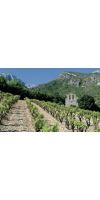
Corbieres is one of the largest appellations in France and is divided into eleven territories including Lezignan, Boutenac, Sigean, and Lagrasse. These terroirs mainly produce red wines with 50% of the wine being made from Carignan grapes. These red wines are spicy and rich with full body, and fruit flavors. Previously, Corbieres was known for uncomplicated and cheap red wines. The best wine produced in the region can now hold their own with classic French vintages from Burgundy and Bordeaux. The arid region has been growing grapes since Roman times and at the height of summer, the deep black vine stocks still manage to conserve their parasols of lush green leaves by drawing water underground and shading the bunches of ripening grapes beneath. Cypress trees provide shade and windbreak. Soils can differ from one hillside to the next, which results in a diversity of wines. 80% of wines produced in Corbieres are red with the remaining 20% split between rose and white. Because of the geography and size, Corbieres has a huge range of microclimates and soil types.
-150x300.jpg "Castelmaure Cuvee N°3 Corbieres 2022")
Castelmaure Cuvee N°3 Corbieres is made from 70% Syrah, 28% grenache and 2% Carignan
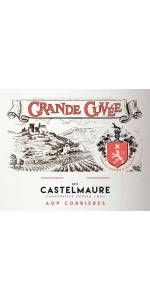
Castelmaure Grande Cuvee Corbieres Rouge is made from 50% Grenache (30 year old) and 50% Syrah (30 year old)..
In the early 1990’s, Castelmaure began experimenting with a Prestige Cuvée of Corbières. This wine has become known as “Grande Cuvée” and is made with the help of the winemaking team of Tardieu-Laurent.
Vinification: destemming, pneumatic press, end of fermentation at 25 degrees C; two racking; aging in tank then in 220 Liter Bordeaux barrels for 10-12 months. Egg fining, slight filtration..
Deep and intense color, powerful aromas of dark berry fruit, prune and coffee nuances, and a persistent finish.
Vineyards: planted on 50% Schist and 50% limestone soils.
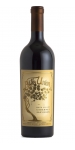
Bella Union by Far Niente Napa Cabernet Sauvignon is made from 77% Cabernet Sauvignon, 15% Merlot, 5% Malbec, 2% Cabernet Franc, 1% Petit Verdot.
The 2021 Bella Union Napa Valley Cabernet possesses beautiful and intriguing aromas of dark plum, black cherry, hints of clove and barrel spice. The palate is well-structured with velvety tannins complemented by generous layers of fruit flavors of blackberry, fig, and raspberry preserves that give way to a melting finish.
Review:
With small percentages of Merlot, Cabernet Franc, Malbec, and Petit Verdot, this exquisitely aromatic and textural Cabernet begins with a perfume of crushed violets and black cherry. Concentrated flavors of blackberry liqueur, vanilla, and sandalwood flow across chewy, velvet- lined tannins.
-Tasting Panel 95 Points
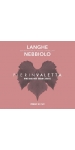
Produced with Nebbiolo grapes from one of the highest plots in the area, at over 500 meters above sea level.
This is an elegant Nebbiolo - fresh and fruity with simple tannins (thanks to the white calcareous soil) and good minerality.
No oak. Aged on the lees for 4 months in Stainless Steel Tan
Fresh, fruity, mineral.
Pierin Valetta is one of the ancestor of the Family and these wines are dedicated to him as we would like to thank him for giving us vineyards that reach up to 70 years old.
Made from 20 years old vines planted on Limestone soils.
No Oak. The wine was aged on the lees for 4 months in Stainless Steel Tanks.
Wine was slightly filtered before bottling.



