
" We don't sell the wine without touching the vine "

| Country: | Italy |
| Region: | Veneto |
| Winery: | Cortenova |
| Grape Type: | Pinot Gris/Pinot Grigio |
| Vintage: | 2011 |
| Bottle Size: | 750 ml |
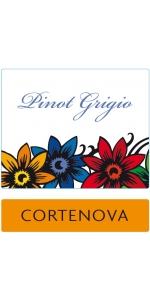
Cortenova Pinot Grigio is 100 percent Pinot Grigio.
Brilliant straw color with emerald reflections.
Fresh and floral bouquet with a hint of pears, apricots and bananas. Fresh and inviting with bright fruit and an easy drinking style with a pleasing hint of almonds in the aftertaste.
Pairs well with seafood dishes, risottos with scampi, spaghetti with clams, sole in white wine Perfect also as an aperitif.
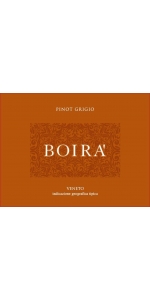
Boira' Pinot Grigio is made from certified organically farmed vineyards surrounding the city of Verona.
The wine shows a brilliant straw color with golden reflections. Fresh and floral bouquet with a hint of pears, apricots and bananas blended with intense aromas of acacia flowers. Fresh and inviting on the palate with bright fruit and an easy drinking style with a pleasing hint of almonds in the aftertaste.
The average age of the vines is 25 years old. The vineyards' soils are made of stoney calcareous, rich in minerals and fossils that gives this wine bright aromatics and a refreshing lift on the palate. After a 12-hour skin maceration to obtain enhanced aromas, the wine is fermented in stainless steel. The finished wine is placed in stainless steel holding tanks until bottled. Aged 3-4 months in stainless steel.
Pairs well with seafood dishes.
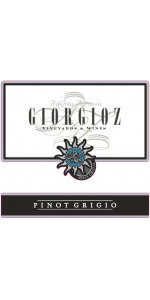
Giorgio Z Pinot Grigio is made from Pinot Grigio.
D.O.C.FRIULI
Straw yellow color with golden tint.
Typical bouquet reminiscent of acacia blossom.
The wine has a very refined taste, it is dry and full bodied with pleasing bitterness.
Soil type is Clay.
Average age of the vines is 15 years old.
100% hand harvested.
Fermentation at 15°C during 15 days.
Aged in stainless steel tank on the fine lees for 6 months.
Slight filtration before bottling
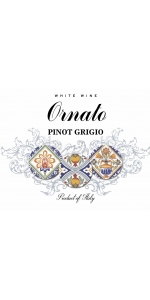
This Pinot Grigio is grown at the foot of the remains of what was once the stunning villa of the della Scala family, one of the most influencial families in Verona from the early 1200's to the late 1300's. The much admired ruler of Verona, Cangrande I della Scala, summered at this villa. Cangrande I was a great warrior, diplomatic prince and an important patron of the arts. He championed the works of Dante, Patrarch and Giotto. He created beautiful architecture throughout the city in the ornate, gothic style of his time. This label is a reproduction of the design taken from a fragment of the ornate and intricate art that once covered the ceilings of the villa. In Italian, Ornato means ornate or adorned. This label celebrates the beautiful, complex taste of the Della Scala family and the Gothic art of that period.
Color: Brilliant straw colored wine with golden reflections.
Bouquet: Fresh and floral bouquet with a hint of pears, apricots and bananas blended with the intense aroma of acacia flowers.
Taste: Fresh and inviting with bright fruit and an easy drinking style with a pleasing hint of almonds in the aftertaste.
Vineyard: Rich in limestone the soil is of alluvial origin. The vineyards are located in the province of Verona. The agricultre is sustainable. No chemical fertilizers, herbicides or pesticides are used. The vineyards are South facing at 300 meters above sea level.
Harvest: September – by hand. The grapes are picked as they ripen to keep the acidity high. The grapes are brought to the cellar and refrigerated within a half hour of picking to keep oxidation to a minimum.
The grapes are soft pressed and the juice is placed in stainless steel along with the skins for a brief maceration of 12 hours at 8-10° C. The must is then racked and lightly filtered. Fermentation then takes place with selected indigenous yeast under controlled temperatures. Of 16-18°C. The fermentation is slow and cool to emhance the natural aromas of the grapes. The finished wine is placed in stainless steel holding tanks until bottled.
Aging: 3-4 months in stainless steel.
Alcohol: 12%
Acidity: 5.30
Seafood dishes, risottos with scampi, spaghetti with clams, sole in white wine.
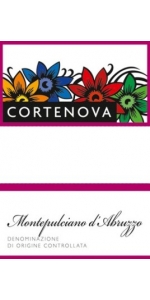
Cortenova Montepulciano d' Abruzzo is made from 100% Montepulciano d'Abruzzo
Deep ruby red color with violet highlights and a pleasant and fruity bouquet. Full bodied, soft tannins and good acidity.
Excellent with pasta dishes and red meats.
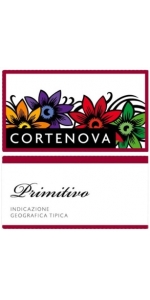
Cortenova Primitivo is made from 100% Primitivo
The grapes are harvested and immediately pressed at controlled temperature. Fermentation is carried out with maceration on the skins for 10-12 days; daily remontages; malolactic fermentation.
Dark, ruby-red color with violet highlights. Intense and fragrant bouquet with a rich array of red and black fruit aromas and flavors. Harmonious and velvety on the palate. Great balance and structure.
Excellent with grilled or roasted meats, game and cheeses.
Cortenova Pinot Grigio 2011 has brilliant straw color with emerald reflections.
Fresh and floral bouquet with a hint of pears, apricots and bananas. Fresh and inviting with bright fruit and an easy drinking style with a pleasing hint of almonds in the aftertaste.
Pairs well with seafood dishes, risottos with scampi, spaghetti with clams, sole in white wine Perfect also as an aperitif.
"This is a very easy-to-drink, straightforward, elegant, fresh style of wine. Hints of grapefruit, apple skin, and subtle pear are part of the flavor profile of this dry, crisp, light-bodied wine meant to be drunk over the next year."
- Wine Advocate (Issue 201, June 2012), 85 pts
The Cortenova Estate
Part of the production is from their own lands which mainly lie on the alluvial rich soil at the confines of the Veneto and Friuli, other is furnished by growers who have worked with the family for years and is basically an extension of their own vineyards.
The winery produces several lines of different quality levels using Pinot Grigio, Pinot Bianco, Chardonnay, Cabernet, Merlot, Valpolicella, Prosecco, Soave and Bardolino. They have also expanded their production to include wines from Apulia, Calavria, Sicily to offer their clients a complete range of wines.
The family has expanded into the foreign markets slowly making sure that they could handle production requests and maintain quality levels before proceeding on to the next market. This cautiousness has earned them the reputation of being reliable and quality-orientated.
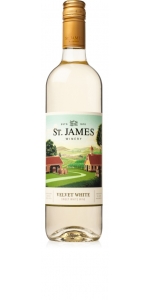
Made from Niagara and Chardonel grapes.
10.8% Alcohol by Volume
7% Residual Sugar
Delicate and sweet with intense fruity aromas and flavors. A blend of America’s best American and hybrid grapes.
Velvet White is superb served chilled by itself, with mild cheeses, or dessert.
Select Wine Competition Awards:
2011 GOLD Pacific Rim
2011 GOLD Critics Challenge
2011 SILVER Grand Harvest
2011 SILVER Florida State Fair International
2011 SILVER Winemakers Challenge International
2011 SILVER San Francisco Chronicle
2011 SILVER San Diego International
2011 SILVER Monterey
2011 SILVER Los Angeles International
2011 SILVER Tasters Guild
2011 SILVER Riverside
2011 BRONZE Finger Lakes International
2011 BRONZE Dallas Morning News
Florence Cholet Meursault Blanc is made from 100 percent Chardonnay.
This classic Meursault offers expressive and complex aromas of white flower, white fruit, and herbal aromas. Bright acidity and minerality emerge on the palate from this beautifully balanced and structured white, followed by subtle hints of vanilla and toasted brioche nuances in a refreshing finish.
Pair with fresh Truffle Pasta, Beaufort Cheese, Pike Quennelles.
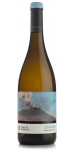
Ferrata Ceneris Etna Bianco is made from 80% Carricante and 20% Catarratto.
Straw-yellow with greenish nuance. Hints of green apple,white peach and aromatic herbs. Pleasant flavor and freshness.
Ideal with shellfish, raw fish or preparations with more intense flavors, fresh and semi-aged cheeses.



