
" We don't sell the wine without touching the vine "
Cortenova Primitivo is made from 100% Primitivo
The grapes are harvested and immediately pressed at controlled temperature. Fermentation is carried out with maceration on the skins for 10-12 days; daily remontages; malolactic fermentation.
Dark, ruby-red color with violet highlights. Intense and fragrant bouquet with a rich array of red and black fruit aromas and flavors. Harmonious and velvety on the palate. Great balance and structure.
Excellent with grilled or roasted meats, game and cheeses.
Cortenova Montepulciano d' Abruzzo is made from 100% Montepulciano d'Abruzzo
Deep ruby red color with violet highlights and a pleasant and fruity bouquet. Full bodied, soft tannins and good acidity.
Excellent with pasta dishes and red meats.
Cortenova Pinot Grigio is 100 percent Pinot Grigio.
Brilliant straw color with emerald reflections.
Fresh and floral bouquet with a hint of pears, apricots and bananas. Fresh and inviting with bright fruit and an easy drinking style with a pleasing hint of almonds in the aftertaste.
Pairs well with seafood dishes, risottos with scampi, spaghetti with clams, sole in white wine Perfect also as an aperitif.
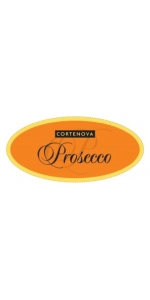
Cortenova Prosecco Spumante NV is 100 percent Prosecco
This Prosecco comes from the highly esteemed area of Valdobbiadene. There are two recognized quality zones for Prosecco, Conegliano and Valdobbiadene. Of the two, Valdobbiaden has always been recognized a having the superior quality due to its naturally higher acidity and its more northern location.
The vineyards lie at 350 meters above sea level. The vines are an average of 25 years old.
The grapes are soft pressed and the free run juice is placed in stainless steel. There is a brief maceration period of 4 hours. Specially selected yeast are added and fermentation is controlled at 20° C. There is no malolactic fermentation and the wine is transferred to autoclaves and a second fermentation is induced following the Charmat tradition. When the desired atmospheric pressure is reached (usually 1 month) the wine is bottled.
Light straw colored with greenish reflections. The perlage is fine and continuous. Fragrant bouquet full of flowers and almonds. In the palate it is fresh and clean with a soft body and a pleasing sparkle. The fruit is subtle and reminiscent of apples and pears with a hint of almond in the background. The finish is inviting.
Can be drunk by itself as an aperitif or with seafood and fish, pastas with cream sauces, chicken and fresh cheeses.
Review:
"Pale straw color. Bright, attractive aromas and flavors of roasted lemons and kiwis, green nectarine, nougat, and grass with a soft, vibrant, spritzy, dry-yet-fruity medium body and a tingling, complex, medium-length spiced clementine and delicate herbal honey finish with silky, crunchy, fruit tannins and no oak. A delicious, nicely layered Prosecco with an elegant style." - Beverage Testing Institute (November 23rd 2015), 91 pts, Best Buy
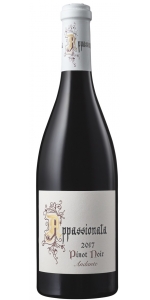
Appasionata Andante Pinot Noir Willamette Valley is made from 100 percent Pinot Noir.
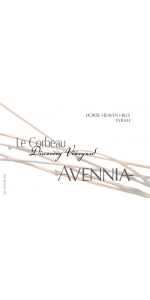
Named after the French word for Crow, or Raven, this Syrah is certainly as dark as the name implies. Hailing from Discovery Vineyard, perched high above the Columbia River in the heart of the Horse Heaven Hills, these grapes were grown in a very unique terroir. Avennia's approach of old-world style, minimalist winemaking allows for full expression of the fruit, showcasing the elegant and savory side of Syrah.
"Leads with a nice balance of dark fruits—blackberry and blueberry—with more savory elements, including blackberry leaf, olive, charcuterie, and a hint of shiitake. The palate features snappy fresh black fruits, a hint of smoked meat, and a lively finish with plenty of savory elements that make this wine quite interesting. Give it a year in the cellar and enjoy over the next eight years or so." - Chris Peterson, Winemaker
Reviews:
"Aromas of blackberry and violet accented by a note of stems. Sweet, supple wine with dark fruit flavors lifted by a black-peppery topnote and accented by cinnamony Red Hots. For all its high notes, this is essentially a creamy wine with no edges. I suspect it will tighten up in bottle and eventually display a more savory aspect. Incidentally, this will be the last vintage for this bottling because, beginning with vintage 2018, Chris Peterson will introduce some new single-vineyard Syrahs from the exciting new WeatherEye vineyard on top of Red Mountain. This steep site, owned by Cameron Myhrvold and farmed by Ryan Johnson, extends over the ridgeline and onto the northern flank of Red Mountain. The project is called Red Mountain Elevated, and Peterson is making the wines. (14.5% alcohol; done mostly in puncheons; vinified with 10% stems) - Stephen Tanzer”
- Antonio Galloni's Vinous (December 2019), 92 pts
"The last vintage for this cuvée, the 2017 Syrah Le Corbeau Discovery Vineyard is similar in style to the Arnaut yet offers slightly more floral notes in its blue fruits, wild strawberry, violets, rose petal, and sappy, forest floor aromas and flavors. Medium-bodied, with bright acidity and good balance, it’s a beautiful Syrah that leans heavily toward the fresh, elegant end of the spectrum while still offering tons of character and pleasure.”
- Jeb Dunnuck (April 2019), 92-94 pts
Cortenova Primitivo is made from 100% Primitivo
The grapes are harvested and immediately pressed at controlled temperature. Fermentation is carried out with maceration on the skins for 10-12 days; daily remontages; malolactic fermentation.
Dark, ruby-red color with violet highlights. Intense and fragrant bouquet with a rich array of red and black fruit aromas and flavors. Harmonious and velvety on the palate. Great balance and structure.
Excellent with grilled or roasted meats, game and cheeses.
The Cortenova Estate
Part of the production is from their own lands which mainly lie on the alluvial rich soil at the confines of the Veneto and Friuli, other is furnished by growers who have worked with the family for years and is basically an extension of their own vineyards.
The winery produces several lines of different quality levels using Pinot Grigio, Pinot Bianco, Chardonnay, Cabernet, Merlot, Valpolicella, Prosecco, Soave and Bardolino. They have also expanded their production to include wines from Apulia, Calavria, Sicily to offer their clients a complete range of wines.
The family has expanded into the foreign markets slowly making sure that they could handle production requests and maintain quality levels before proceeding on to the next market. This cautiousness has earned them the reputation of being reliable and quality-orientated.

All older vintage wines have been purchased from a single collectors cellar. Pictures can be requested before shipment.
Roland Champion Champagne Special Club Grand Cru is made from Chardonnay.
The 'Special Club' designation is one of the most prestigious in Champagne, reserved exclusively for the finest vintages from member growers of the Club Trésors de Champagne. Each Special Club wine undergoes rigorous peer tasting and must meet exceptional quality standards before receiving the coveted Special Club label.
Roland Champion's Grand Cru Special Club comes from the finest Chardonnay parcels in the Côte des Blancs. Generous aromas of sun-ripened green apple, peach, nougat, and white chocolate layered with fresh lemon and grilled citrus. On the palate, rich and creamy with lively, fine-beaded mousse. Bright notes of grapefruit, lime, and toasted nuts lead to a long, round finish accented by toasted brioche, white flowers, and pronounced chalky minerality. Elegant and structured with excellent aging potential.
A collector's Champagne, perfect for special celebrations or paired with fine cuisine such as lobster, truffle dishes, or aged Comté cheese.



