
" We don't sell the wine without touching the vine "
| Country: | United States |
| Regions: | California California (Sonoma County) |
| Winery: | Dashe Cellars |
| Grape Type: | Zinfandel |
| Vintage: | 2009 |
| Bottle Size: | 375 ml |

Morlet Family Vineyards Billet Doux Late Harvest Semillon 2012 (half-bottle) is made from Sémillon (65%) Sauvignon Blanc (31%) Muscat à Petits Grains (4%)
rowing in the gravelly soil of an ancient riverbed in the beautiful Alexander Valley, the old vines benefit from hot afternoons and cool, foggy mornings, favorable for the development of Botrytis (Noble Rot). Extremely small yields in the Sémillon, Sauvignon Blanc and Muscat vineyards lead to the immensely concentrated fruit. Just as one receives a note from one’s sweetheart, we present this wine as a precious ‘Love Note’ or ‘Billet Doux.’
Deep crystal clear gold. Intense and complex bouquet of dry apricot, pêche de vigne and Reine Claude yellow plum intermixed with notes of quince, honey, Muscat and a hint of sweet vanilla. Full bodied, the palate is reminiscent of the nose, with a creamy sweet texture and a great intensity. The large amount of sugar and glycerin creates a highlighted viscosity. Along with the wine’s great concentration, richness and opulence, the classical aromatic complexity reveals a flamboyant yet harmonious ensemble, leading to a very long, complex and smooth finish.
Proprietary name ‘Billet Doux’
Name meaning Love Note
Type of wine Late harvest white wine
Appellation Alexander Valley
Vineyard singularity 25-60 year old vines Loamy and gravelly soils from an ancient river bed One cluster per shoot ‘de rigueur’
Typical harvest date November Picking Manual, small lugs, refrigerated truck
Sorting Cluster by cluster
Fermentation In barrel through native yeast
Upbringing 16 months French Oak from selected artisan Coopers
Bottling Unfined, filtered to prevent Malolactic
Cellaring time Decades
Serving Chilled and decanted
Review:
Produced from 65% Sémillon, 31% Sauvignon Blanc and 4% Muscat, the 2012 Billet Doux has a medium golden color and profoundly scented nose of beeswax, honeyed nuts, orange marmalade, Manuka honey and preserved lemons. Full-bodied, full-on sweet, rich, concentrated and oh-so-unctuous, it delivers powerful flavor layers and epic length. 175 cases were made.
-Wine Advocate 97 Points

Double Diamond by Schrader Oakville Cabernet Sauvignon is made from 100 percent Cabernet Sauvignon.
Barrels: 54% new French oak, 46% second-use Schrader Darnajou French Oak
The 2022 Cabernet Sauvignon offers concentration, lively acidity, and refined tannins that have become the hallmark of the 2022 vintage. The nose holds notes of black raspberry, toasted cedar, juicy plum, and pennyroyal mint—a Napa Valley Cabernet Sauvignon signature. The palate is mouthwatering with intricately woven layers of blackberry compote, dark chocolate shavings, oolong tea, and flint. The dynamic flavors carry across the mid-palate in vivid harmony into a long, floral finish. This wine is ready to drink upon release but will cellar well for years to come.
Double Diamond is sourced exclusively from a complement of prime vineyard estates. Sourced from the same famed vineyards as its beloved inspiration Schrader Cellars in Napa Valley’s world-renowned Oakville AVA, including our To Kalon Vineyard.

After working with the fruit for over a decade, Turkey is proud to present the first single-vineyard bottling for Turley from the Del Barba Vineyard. Contra Costa is a delta where the San Joaquin and Sacramento rivers meet, and these head-trained vines are planted in deep dehli blow sand, made up of decomposed granite coming down from the Sierra Mountains. The resulting wine embodies the best the delta has to offer: silken textures, ultra fine tannin, and dark saline fruits.
Review:
Sourced from head-trained vines planted in 1980 on sandy soils, the 2022 Zinfandel Del Barba Vineyard is a light, elegant and approachable expression of Turley's substantial Zinfandel collection. Medium ruby in color, it is initially coiled and opens slowly into a bright, inviting nose with aromas of Earl Grey tea, licorice and red cherries, albeit with slightly less definition and clarity than found in other bottlings. The palate is medium-bodied, deeply red-fruited and lined with spicy, floral accents. The finish is long and perfumed, framed by clay-textured tannins and lifted, juicy acidity harnessed with an understated elegance.
-Wine Advocate 93 Points

Mason Cellars Pelissa Vineyard Cabernet Sauvignon is made from 100 percent Cabernet Sauvignon.
The 2020 Mason Oakville Cabernet Sauvignon is quintessentially Oakville from nose to finish. Attractive fresh blackberry, red current and chocolate with a hint of sweet oak boast out of the glass. This wine showcases graphite, velvety tannins and concentrated, beautifully balanced flavors with a bit of spice and white pepper. These bold flavors typical of Oakville Cabernet are rounded out with velvety tannins, a weighty mid-palate and a long, juicy finish.
Production Notes:
The fruit was delicately hand-picked in the early morning hours and brought into the winery for processing. The grapes were crushed, about 60% whole berry, and cold soaked for three days before being inoculated for primary and malo-lactic fermentation. Once dry, the wine was put down to barrel for 20 months in medium toast French oak, 25% of which was new.
Vineyard Notes:
Grapes for our 2020 Mason Cabernet Sauvignon are sourced exclusively from the Pelissa Vineyard in Oakville. This vineyard spans 60 acres and is planted to Old BV Clone 7 Cabernet Sauvignon as well as Zinfandel. This vineyard is named for Andrew and Babe Pelissa, who after their marriage on August 30, 1930, made their home at the site of this vineyard which, at the time, was a dairy. Oakville is the core of Napa Valley’s famed Cabernet Sauvignon production, and this site is no exception with the flawless blending of climate and soil to create a remarkable wine.
Review:
“This firmly structured, well-balanced wine has the feel of a classic Bordeaux blend. Just-ripe red and black fruits blend with subtle toast, cedar and mint on a moderately tannic, slightly tangy texture. The wine is tasty enough to decant and drink soon with grilled lamb chops or roast chicken. Best from 2026–2036.” – Jim Gordon
-Wine Enthusiast 94 Points

SALE!
Lodi, American Viticulture Area (AVA) – The Lodi AVA is located in the northern end of the San Joaquin Valley, Central Valley California, east of the San Francisco Bay. Lodi has warm days and cool nights, similar to the Mediterranean climate. The lower temperatures that occur in Lodi result in fruit with good acidity. A wide range of soils are found in the Lodi AVA, but they generally are deep, loamy, sandy, rocky soils similar to that found in southern Rhone valley.
The Lodi appellation totals almost one half million acres, and the approximately eight hundred growers farm roughly 90,000 acres. Lodi produces more Cabernet Sauvignon, Chardonnay, Merlot, Sauvignon Blanc, and Zinfandel than any other wine region in California, but it is probably best known for its old vine Zinfandel. The vines are often head trained giving them a classic old world appearance.
Zinfandel – The Zinfandel grape is a hearty variety that produces grapes with high sugar levels, often resulting in wines with a high alcohol content. Thought to be a relative of Primitivo that is found in southeast of Italy (the boot heel), Zinfandel can be made into a wide range of wine styles, including White Zinfandel, light or full bodied red wines, and even late harvest desert style wine. However Zinfandel, especially Old Vine Zinfandel from Lodi, is usually made into a full bodied, spicy red wine with characteristics of red fruit, raspberry, and cherry.
Produced in the heart of Lodi AVA.
Rubus Zinfandel Lodi is made from 98% Zinfandel + 2% Cabernet Sauvignon
Bottled after aging in French and American oak for 9 months.
Rubus Zinfandel Lodi presents with ruby red in color, with red fruit, raspberry, and spice on the nose. This wine is medium in body, with notes of ripe cherry, cedar box, cinnamon, anise, black pepper, and hint of smoke on the palate. It has a long, silky finish.
Selected by Fran Kysela MS.

In 2019, Chris Pearmund worked with sixteen Virginia wineries to create a blended wine with grapes from each participating vineyard to commemorate the 400th Anniversary of Winemaking in Virginia. A portion of the wine’s proceeds were donated to museums and events that would contribute to tourism in the Commonwealth and foster a broader understanding of Virginia’s cultures and cuisines. This idea sparked another movement to celebrate through wine, and Cameo seemed a perfect way to commemorate the milestone moment in history.
Cameo Wine Collection was created to highlight women in Virginia, and the memorable events that have unfolded in the Commonwealth that lead to the movement to secure women’s right to vote. Raise a glass and toast the 100th Anniversary of the 19th Amendment. Cameo Rosé honors 12 of Virginia’s most influential women. Each bottle has a label depicting one of the chosen women, who’s contributions range from historic, business, entertainment, politics, and wine. The story of the suffrage movement in Virginia is an important part of the collective history. A variety of cultures and eras have been curated to share recollections of the fearless, passionate ways each woman lived so that a case of wine will contain twelve different individuals to celebrate. Women like Martha Washington, Pearl Bailey, and Ella Fitzgerald.
Cameo Rosé offers aromas of raspberry, strawberry, and peach. Dry on the palate, silky tannins and minerality are balanced by strawberry and orange zest flavors.
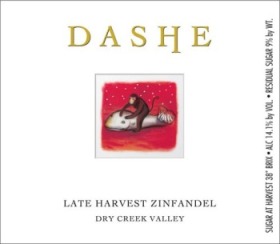
Dashe Cellars Late Harvest Zinfandel 2009 (half-bottle) is made from 100 percent Zinfandel
Lovely, soft black raspberry, black currant, blackberry, plum, and hints of chocolate and vanilla. The lovely, complex fruit is balanced with nice acidity, making the wine sweet but not at all cloying—an ideal and not overpowering dessert wine.
The 2009 vintage was a classic Calfornia vintage, hailed as one of the best in a decade. Moderate temperatures at harvest allowed us to slowly ripen the grapes, resulting in one of the best late harvest wines we’ve made.
We crushed the grapes to a small 1,500-gallon tank and as is our tradition at Dashe Cellars, we fermented the grapes naturally, using the native yeasts that naturally live on the skins of the grapes. Since the grapes were super ripe, the fermentation roared off at the start, and then rapidly slowed as the yeast created over 10% alcohol. The fermentation finally sputtered to a halt when the alcohol had reached about 14 percent and the sugar level was 9 percent. We always allow the wine to achieve its balance of sweetness and alcohol naturally, by letting the fermentation finish up on its own.
As is our tradition, the wine was aged in older French oak barrels to not overpower the intensity of the fruit. During our blending trials, we decided to stay with our tradition of bottling the wine as soon as possible to maintain its fresh fruit flavors and conserve its lovely sweet concentration and purity. The wine is unfined and received minimal handling to the bottle.
The Dashe Cellars Estate
Dashe Cellars were founded in 1996 by Anne and Michael Dashe, a husband and wife winemaking team who created a small winery that focuses on wines from Sonoma County. Since Anne's winemaking origins are French and Michael's are American, they wanted to elaborate distinctive wines that offered the best from both of their countries of origin.
The Dashe Cellars Vineyards
They have decided to concentrate on single vineyard sites - to locate small independent vineyards and create wines that reflect the vineyards unique soil, climate, and regional characteristics. They use traditional fine winemaking techniques such as small lot fermentations, the use of indigenous yeast on the grapes to conduct the fermentations, little or no fining or filtration, and small barrel aging. All the wines are made, tasted, and blended by the production team of Michael, Anne, and Matt Smith (enologist).

A very deep purple, red in color. This wine showcases Shiraz with its depth of Barossa Valley and the alluring, aromatic freshness of Eden Valley. Vibrant aromas of dark cherries, anise and red raspberry. A distinctive wine with richness and dark berry, fruit compote palate. Perfectly balanced, elegant and refined.
Enjoy with beef filet, roast beetroot and horseradish, or Korean fried cauliflower.
This blend of Barossa Valley (67%) and Eden Valley fruit hails from five parcels averaging 80 years old, the oldest planted in 1854. Intensely concentrated in hue and muscular flavour. Spicy and mineral to the nose and palate, with glimpses of violets. Its iodine and liquorice-edged black cherry and blueberry flavour is succulent, but still in the grip of the sinewy, charry oak, making for an imposing, slightly austere finish. A powerhouse.
Saturated ruby. Heady aromas of ripe dark berries, cherry liqueur, vanilla and incense, with smoky mineral and exotic spice accents building in the glass. Seamless in texture and deeply concentrated, offering palate-staining black and blue fruit, floral pastille and mocha flavors that turn sweeter with air. At once plush and lively, finishing extremely long and smoky, with repeating dark berry and floral notes and velvety tannins.
-Vinous 96 Points

Brize Clos Medecin Anjou Villages Rouge is made from 60% Cabernet Franc and 40% Cabernet Sauvignon.
This is the flagship of the Estate. Clos Medecin has been produced at the estate for 90 years. All the grapes for this wine come from a very special parcel. The wine offers red fruit aromas. It is fresh, round and ample in the mouth.



