
" We don't sell the wine without touching the vine "
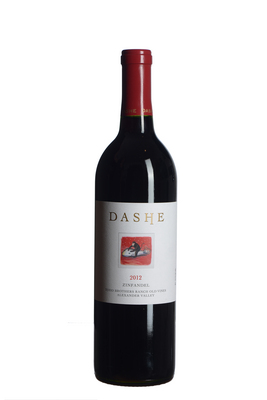
| Country: | United States |
| Regions: | California California (Sonoma County) |
| Winery: | Dashe Cellars |
| Grape Type: | Zinfandel |
| Vintage: | 2013 |
| Bottle Size: | 750 ml |
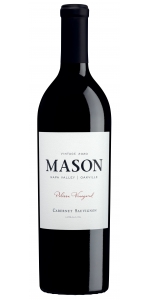
Mason Cellars Pelissa Vineyard Cabernet Sauvignon is made from 100 percent Cabernet Sauvignon.
The 2020 Mason Oakville Cabernet Sauvignon is quintessentially Oakville from nose to finish. Attractive fresh blackberry, red current and chocolate with a hint of sweet oak boast out of the glass. This wine showcases graphite, velvety tannins and concentrated, beautifully balanced flavors with a bit of spice and white pepper. These bold flavors typical of Oakville Cabernet are rounded out with velvety tannins, a weighty mid-palate and a long, juicy finish.
Production Notes:
The fruit was delicately hand-picked in the early morning hours and brought into the winery for processing. The grapes were crushed, about 60% whole berry, and cold soaked for three days before being inoculated for primary and malo-lactic fermentation. Once dry, the wine was put down to barrel for 20 months in medium toast French oak, 25% of which was new.
Vineyard Notes:
Grapes for our 2020 Mason Cabernet Sauvignon are sourced exclusively from the Pelissa Vineyard in Oakville. This vineyard spans 60 acres and is planted to Old BV Clone 7 Cabernet Sauvignon as well as Zinfandel. This vineyard is named for Andrew and Babe Pelissa, who after their marriage on August 30, 1930, made their home at the site of this vineyard which, at the time, was a dairy. Oakville is the core of Napa Valley’s famed Cabernet Sauvignon production, and this site is no exception with the flawless blending of climate and soil to create a remarkable wine.
Review:
“This firmly structured, well-balanced wine has the feel of a classic Bordeaux blend. Just-ripe red and black fruits blend with subtle toast, cedar and mint on a moderately tannic, slightly tangy texture. The wine is tasty enough to decant and drink soon with grilled lamb chops or roast chicken. Best from 2026–2036.” – Jim Gordon
-Wine Enthusiast 94 Points
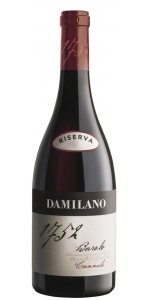
“1752” is the name of the Damilano Barolo Cannubi Riserva, in honor of the year in which the historic bottle was first marked “Cannubi”. It still exists today perfectly conserved by the Manzone family in Bra, close to Barolo. The bottle is clearly marked as being of “1752” vintage, indicating that Cannubi historically precedes Barolo.
About the Vineyard:
The Cannubi Cru is in found within one of the 6 core zones which comprise a UNESCO heritage site in Italy. A mixture of Tortonian and Helvetian calcareous marl gives the grapes intense aromas of cherry, plum and tobacco, rose and violet in sequence. Its low potassium and high calcium/magnesium content offer the wine a fine and polished touch. The vineyard is located at about 270 m. a.s.l. and has a south-east sun exposure. Barolo Riserva Cannubi 1752 It is a small plot of about 2 hectares of Nebbiolo vines, currently between 30 and 50 years of age.
Tasting Notes:
Garnet ruby red in color, the bouquet is intense and balanced, with notes of violet, red fruit, cherry and plum, spices, liquorice, cocoa, leather and tobacco. Dry, robust, full-bodied, very persistent, rich and velvety
Food Pairing:
This wine is excellent with typical piedmontes pasta (tajarin, ravioli); perfect with red meat, braised and roast meat, game and absolutely ideal with all types of cheeses.
Review:
The purity of this wine is pretty phenomenal with blackberries, strawberries, fresh flowers and licorice. Hints of tar. It’s full-bodied, yet composed and compact with ultra fine tannins and a long, flavorful finish. Very structured. Try after 2024.
-James Suckling 97 Points
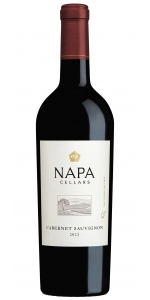
Napa Cellars Cabernet Sauvignon is made from 100 percent Cabernet Sauvignon.
Napa Cellars Cabernet Sauvignon brims with ripe, concentrated aromas of black currant, loganberry and fig, underscored by threads of warm spice and mocha.
Review:
Aged 21 months in French and Hungarian oak, notes of toasty, spiced cocoa, cassis, and clove are the preamble for the palate’s introduction to this most approachable red. Deep and savory, with black tea, plum, and graphite. Tannins are supple and easy going, and acidity is bright, establishing an energetic finish. - The Tasting Panel, July/August 2025
-Tasting Panel/Somm Journal 92 Points
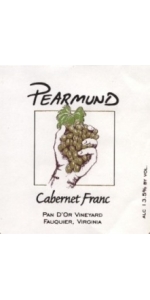
Vintage Notes: A cool summer and early fall allowed a longer ripening season, helping benefit this years Cabernet Franc, as its natural spice was allowed to mature and become better defined.
Pearmund Cellars Cabernet Franc is made from100% Cabernet Franc. Known primarily as a blending grape in Bordeaux’s left bank. Its ability to grow and mature in Virginia makes it one of the States finest varietals.
Tasting Notes: A nose of cherries, raspberries and fennel. Peppery spice continues on the palate with notes of cocoa and sweet cedar wood, allowing for easy drinking. A hint of pepper will linger on the finish.
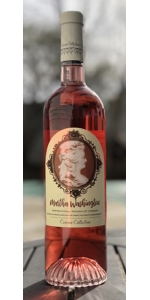
In 2019, Chris Pearmund worked with sixteen Virginia wineries to create a blended wine with grapes from each participating vineyard to commemorate the 400th Anniversary of Winemaking in Virginia. A portion of the wine’s proceeds were donated to museums and events that would contribute to tourism in the Commonwealth and foster a broader understanding of Virginia’s cultures and cuisines. This idea sparked another movement to celebrate through wine, and Cameo seemed a perfect way to commemorate the milestone moment in history.
Cameo Wine Collection was created to highlight women in Virginia, and the memorable events that have unfolded in the Commonwealth that lead to the movement to secure women’s right to vote. Raise a glass and toast the 100th Anniversary of the 19th Amendment. Cameo Rosé honors 12 of Virginia’s most influential women. Each bottle has a label depicting one of the chosen women, who’s contributions range from historic, business, entertainment, politics, and wine. The story of the suffrage movement in Virginia is an important part of the collective history. A variety of cultures and eras have been curated to share recollections of the fearless, passionate ways each woman lived so that a case of wine will contain twelve different individuals to celebrate. Women like Martha Washington, Pearl Bailey, and Ella Fitzgerald.
Cameo Rosé offers aromas of raspberry, strawberry, and peach. Dry on the palate, silky tannins and minerality are balanced by strawberry and orange zest flavors.
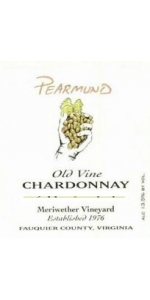
Pearmund Cellars Old Vine Chardonnay is made from 100 percent Chardonnay.
Warm buttery flavor, hint of pear and apple. Full-bodied and lush to the palate. Aged nine months in French oak
|
Dashe Cellars Zinfandel Todd Brothers is made from 98% Zinfandel; 2% Petite Sirah Cassis, plum, black cherry, blackberry, chocolate, licorice, with floral notes of lavender and voilets. Spice notes of cedar, eucalyptus, and pepper.Extremely lush, round, balanced, with sensuous mouth-filling texture. Blackberry, black current, and black cherry fruit, firm acid and silky tannins in a very structured wine. Long, sweet, fruit finish of blackberry and cassis.
|
The 2013 Zinfandel Todd Brothers Ranch Old Vines emerges from another one of those heritage, head-pruned old Zinfandel sites. The color is a dense ruby/purple and the wine loaded with black raspberry and black cherry fruit, loads of spice and earth. It is a classic, even quintessential, Zinfandel from Alexander Valley. This full-bodied beauty should drink well for 5 to 7 years. - RP"
- Robert Parker's Wine Advocate (Issue #223, March 2016), 93 pts
The Dashe Cellars Estate
Dashe Cellars were founded in 1996 by Anne and Michael Dashe, a husband and wife winemaking team who created a small winery that focuses on wines from Sonoma County. Since Anne's winemaking origins are French and Michael's are American, they wanted to elaborate distinctive wines that offered the best from both of their countries of origin.
The Dashe Cellars Vineyards
They have decided to concentrate on single vineyard sites - to locate small independent vineyards and create wines that reflect the vineyards unique soil, climate, and regional characteristics. They use traditional fine winemaking techniques such as small lot fermentations, the use of indigenous yeast on the grapes to conduct the fermentations, little or no fining or filtration, and small barrel aging. All the wines are made, tasted, and blended by the production team of Michael, Anne, and Matt Smith (enologist).
Inglenook Rutherford Cabernet Sauvignon is made from 96% Cabernet Sauvignon, 4% Cabernet Franc.
Stunningly deep ruby in color, the 2019 Cabernet Sauvignon opens with heady aromas of brambly black cherry, vanilla, warm brioche, and crème de cassis. As the wine warms on the palate, notes of red cherry, graphite and fennel emerge, as very polished, refined tannins carry the wine into a long, fragrant finish. Layered flavors, good tension, and a perfect integration of wine and oak interact to create this classic expression of Inglenook Cabernet Sauvignon.
Review:
This shows notes of ripe blackberries and blackcurrants with hints of licorice, cloves, walnuts and chocolate. It has full body and a velvety tannin structure. Juicy and vibrant fruit on the palate with a touch of earthiness. Smooth and delicious. Long, fruity finish. Very pure fruit. Try after 2024.
-James Suckling 95 points
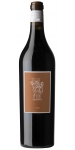
Clos Du Val Yettalil is a Bordeaux blend of 70% Cabernet Sauvignon, 8% Cabernet Franc, 8% Petit Verdot, 6% Malbec, 5% Carménère, 3% Merlot
A tribute to Clos du Val's founding matriarch, Henrietta Goelet, Yettalil is the fullest expression of their Stags Leap District Estate. A blend of primarily Cabernet Sauvignon, the wine is supported by Cabernet Franc, Merlot, Malbec, Carménère, and Petit Verdot.
Yettalil draws you into the glass with captivating aromas of blackberry, plum, cherry compote, fresh sage, and spice. Expressive yet composed, the layers foretell a wine of character and complexity. As you taste, the wine sweeps across the palate with polished tannins and flavors of pure blackcurrant. The 2022 vintage's vibrant acidity carries the wine towards along, smooth finish.
Review:
Fragrant and expressive with aromas of red and black currants, lavender and fresh spearmint. Medium- to full-bodied with supple texture and fine, integrated tannins. There’s a cool-fruit elegance, layered with floral spices and a touch of cedar. Balanced and refined with quiet persistence. Very good. Drink now or from 2028.
- James Suckling 97 Points



