
" We don't sell the wine without touching the vine "
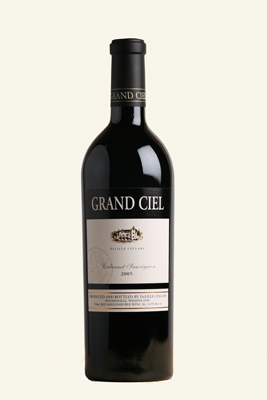
| Country: | United States |
| Regions: | Washington Washington (Red Mountain) |
| Winery: | DeLille Cellars |
| Grape Type: | Cabernet Sauvignon |
| Vintage: | 2010 |
| Bottle Size: | 750 ml |

Chateau Batailley Grand Cru is made from 78% Cabernet Sauvignon, 19% Merlot, 2% Petit Verdot & 1% Cabernet Franc.
Château Batailley is a winery in the Pauillac appellation of the Bordeaux region of France. The wine produced at the estate was classified as one of eighteen Cinquièmes Crus (Fifth Growths) in the Bordeaux Wine Official Classification of 1855.
Garnet-purple colour. Rich and expressive nose, fruity with notes of spices, smoke and vanilla. On the palate, this wine is supple, round, well balanced, with good acidity, a nice fruitiness and nice notes of leather and cedar. Long elegant finish.
Review:
The 2010 Batailley repeated its magnificent showing when poured at the chateau. It has a detailed bouquet of blackberry and cedar, quite backward and seemingly having advanced lite since | tasted in in April 2016. The palate remains full of tension and brimming with energy, delivering classic cedar and tobacco notes toward the persistent finish. Batailley can produce wines that live many decades, and this is clearly one of them. Tasted at the property. Drink 2020-2050
- Neal Martin Vinous 95 Points

Grand Veneur Chateauneuf Du Pape Blanc La Fontaine is made from 100% Roussane.
Yellow-gold color. The nose is rich in aromas of citrus fruit, tropical fruit, quince and honey, with a touch of vanilla. On the palate, the same aromas appear together with a fatness combining exotic fruit and vanilla : the wine is rich, generous and elegant, with extraordinary length. "La Fontaine" is often considered to be one of the best Châteauneuf du Pape white, and it is by definition a superb gastronomy wine.
Best between 1 and 8 years.
Review:
"The 2021 Châteauneuf Du Pape La Fontaine Blanc is a much more concentrated, serious wine, and it takes plenty of air to show at its best today. Based on Roussanne, it has a medium gold hue as well as rich aromatics of honeyed stone fruits, orange blossom, caramelized peach, and toasted bread. Beautiful on the palate as well, it’s medium-bodied, has a layered, concentrated mouthfeel, good acidity, and a great finish. Give it a year or three in the cellar and enjoy over the following decade."
- Jeb Dunnuck (November 2022), 94 pts
Grand Veneur Chateauneuf Du Pape Blanc La Fontaine is made from 100% Roussane.
Yellow-gold color. The nose is rich in aromas of citrus fruit, tropical fruit, quince and honey, with a touch of vanilla. On the palate, the same aromas appear together with a fatness combining exotic fruit and vanilla : the wine is rich, generous and elegant, with extraordinary length. "La Fontaine" is often considered to be one of the best Châteauneuf du Pape white, and it is by definition a superb gastronomy wine.
Best between 1 and 8 years.

Grand Veneur Chateauneuf du Pape Blanc Le Miocene is made from 60% Clairette, 40% Roussanne
Pale yellow colour with hints of green, aromas of white flowers (may blossom, honeysuckle).
The palate is pleasantly balanced between liveliness and roundness, which brings out characteristics of dried apricot, honey and elderberry. A Châteauneuf du Pape white displaying a great finesse.
Best between 1 and 8 years.
Soil type Coming from the single vineyard named “La Fontaine”, the plot is facing north.It is made of clay-sand and limestone. Thanks to the northern orientation, it is always very well aired. This sector allow the Roussane and Clairette to mature in great conditions without losing freshness, which we believe is key point. Winemaking & ageing Whole-bunch pressing. Vinification in stainless-steel tanks. Fermentation temperature controlled at 15°C.
Review:
"The classic white from this estate is the 2021 Châteauneuf Du Pape Le Miocene Blanc, and it shines in the vintage. Based on 60% Clairette and 40% Roussanne, it has a lighter gold hue as well as textbook aromatics of citrus, pears, and minty herbs. I love its balance, it’s medium-bodied, has the vintage’s fresher style, and outstanding length. It should evolve gracefully, and while the safe bet is to enjoy bottles over the coming 2-4 years, I wouldn’t be surprised to see this evolve for well over a decade."
- Jeb Dunnuck (November 2022), 92 pts
Grand Veneur Chateauneuf du Pape Blanc Le Miocene is made from 60% Clairette, 40% Roussanne
Pale yellow colour with hints of green, aromas of white flowers (may blossom, honeysuckle).
The palate is pleasantly balanced between liveliness and roundness, which brings out characteristics of dried apricot, honey and elderberry. A Châteauneuf du Pape white displaying a great finesse.
Best between 1 and 8 years.
Soil type Coming from the single vineyard named “La Fontaine”, the plot is facing north.It is made of clay-sand and limestone. Thanks to the northern orientation, it is always very well aired. This sector allow the Roussane and Clairette to mature in great conditions without losing freshness, which we believe is key point. Winemaking & ageing Whole-bunch pressing. Vinification in stainless-steel tanks. Fermentation temperature controlled at 15°C.
Review:
"The 2023 Châteauneuf du Pape Le Miocene Blanc is mostly Clairette but includes 40% Roussanne. Its vivid gold hue is followed by a beautiful perfume of stone fruits, grilled peach, minty flowers, and some spicy nuances. It's balanced and medium to full-bodied, with a kiss of background oak and flawless balance. It's a brilliant white from this talented family that readers will love to drink over the coming 4-6 years, if not upwards of a decade."
- Jeb Dunnuck (Importer Highlight: Fran Kysela ; July 2024), 93 pts

Grand Veneur Chateauneuf du Pape Rouge Le Miocene is made from 70% Grenache, 20% Syrah, 10% Mourvèdre .
An intense dark-ruby color. The nose develop aromas of ripe black fruit (such as blackberry), cherry and spice box. The palate reveals the presence of tannins, in high quantity and elegant. The finish is long and luxurious. This is the Châteauneuf du Pape expression, displaying all the characteristics of the terroir.
Soil type: Plots are located northern part of Châteauneuf du Pape and the vines are grown under organic process.The soil is marked by the violence wrought by the Rhone river. It consists of a layer of marine molasses of the Miocene period covered by alpine alluvium. The presence of a great number of rounded stones known as "galets" in the earth is evidence of the time when the Rhone, then a torrent, tore fragments of rock from the Alps and deposited them on the plain. The GRAND VENEUR cuvee will express year after year a great power and aromatic complexity.
Winemaking & ageing: Harvest is sorted by hand, destemmed and crushed. Fermentation temperature is controlled at 30°C. Vatting period of 18 to 20 days. Matured in vats and oak casks.
Review:
The 2022 Châteauneuf du Pape Le Miocene checks in as 70% Grenache, 20% Syrah, and the rest Mourvèdre, all destemmed, that was raised mostly in tank, with the Syrah and Mourvèdre in oak. It has a beautiful nose of ripe red and black fruits that give way to more licorice, black olive, peppery garrigue, and spices. Medium to full-bodied on the palate, it's balanced and has ripe, building tannins and a great finish. It's going to evolve gracefully for 10-12+ years.
-Jeb Dunnuck 93 Points
DeLille Grand Ciel 2010 100% Grand Ciel Vineyard Cabernet Sauvignon
DeLille Grand Ciel 2010 presents with a deep and dark fruit-scented nose of black cherries and black currants layered with lavender, hoisin spice and earthy loam notes. The bouquet reveals anise seed, cedar and Provence herbs as well. The flavor mirrors this complexity with Bing cherries, raspberries, red currants, cedar spice, toasty meringue and pie dough. Structurally this wine showcases the pedigree of the vineyard. There is a wonderful combination of concentration, elegance and a sense of perfect ripeness. The fruit and spices bask in youthful tannins continuing to an endless finish -- I love the mouthwatering savory nature of this wine. It is built to age.
"Dark berries and minerals on the vibrant, sweet nose. Intensely flavored but light on its feet, conveying an impression of serious power without any excess weight. Dark berry fruit flavors are complicated by subtle soil tones and strong graphite minerality. This wonderfully concentrated, seamless wine finishes with noble tannins and outstanding palate-staining persistence. A good bit of this material is declassified into DeLille's D2 and Four Flags bottlings. Wonderfully suave Washington cabernet for extended cellaring.- Stephen Tanzer"
- Vinous (November 2013), 94 pts
The DeLille Cellars Estate
Founded in 1992, DeLille Cellars is a small family owned winery located in Woodinville, Washington. Their goal is to make the very best handcrafted, old-world style red and white wine made in the State of Washington.
The DeLille Cellars Vineyard
The beautiful ten-acre site sits above the Woodinville valley floor, overlooking the wineries of Chateau Ste. Michelle and Columbia Winery. All DeLille wines are elaborated with the highest “hand-crafted” standards. Only grapes from the oldest and best vineyards in Washington State are used. They are hand picked and hand sorted at crush, using only the finest berry clusters. The wines are aged in 100% new French oak barrels each and every year and are never filtered.
The DeLille Cellars Wines
In the words of David Schildknecht, The Wine Advocate, December 2012:
"Winemaker-vineyard manager and self-styled "old world traditionalist" Chris Upchurch has been the guiding spirit of DeLille Cellars since its early-’90s inception, although the ostensibly Old World models followed have evolved significantly in both marketing and winemaking terms. Early-on, DeLille, unsurprisingly, – like so many other U.S. wineries – focused exclusively on a Bordelais vision. That said, Upchurch and his partners had been in business for nearly a decade before they purchased a vineyard: Grand Ciel, adjacent to Ciel du Cheval and Galitzine and managed by the accomplished and (seemingly in Red Mountain at least) ubiquitous Ryan Johnson. DeLille also vinifies and bottles separately the fruit of Harrison Hill’s antique vines (for more about which see my tasting note on the 2009 vintage) and a second estate vineyard project is afoot. The established if misleading name Chaleur Estate was retained for DeLille’s flagship wine crafted from contract fruit (second wine: D2); while the designation Doyenne – utilized from early-on for Syrah – morphed into an officially separate winery for experimental-minded exploration of themes inspired by Southern France. (For database purposes, we at The Wine Advocate / eRobertParker.com treat Doyenne as part of the relevant wines’ descriptions and a DeLille sub-label, which reflects the way those wines are marketed and the spirit in which they were presented to me. Comments on Upchurch’s vinificatory approaches can be found sprinkled though my tasting notes.)"

Bertani Valpolicella Ripasso Classico Superiore Catullo is made from 70% Corvina Veronese, 20% Corvinone, 10% Rondinella. Valpolicella Classica, Tenuta Novare Estate in Arbizzano di Negrar.
Wine of medium structure with elegant spicy notes of vanilla and chocolate accompanied by typical notes of cherry, sour cherry and white pepper. The palate offers the easy drinkability typical of Valpolicella and, at the same time, silky tannic structure and intense, prolonged aromatic persistence. The finish is fresh, soft and savory. A wine in the classic style, elegant, balanced, harmonious.
Review:
If I was forced to choose a number of wines that can steer the anachronistic Ripasso category into a brighter future, this would be among a very few. A mid-weighted, streamlined expression with just enough fruit on the bones. Think strawberries, lilacs, Asian plums, cloves and a hint of licorice. A noble, almost alpine bitterness lifts the finish. Brilliant. Drink or hold.
-James Suckling 95 Points

Luis XIV Vino Noble is a naturally sweet red wine, made from very late Monastrell harvests. All of its sugar and alcohol comes from the grape itself and has been subjected to a long aging in semi-new American oak barrels. In the mouth it is very intense, sweet without cloying, with aromas of stewed plums and a very long finish of spicy oak wood. RATING: Noble Alicante sweet wine



