
" We don't sell the wine without touching the vine "

| Country: | France |
| Region: | Burgundy |
| Winery: | Maurice Ecard |
| Grape Type: | Pinot Noir |
| Organic: | Yes |
| Vintage: | 2010 |
| Bottle Size: | 750 ml |
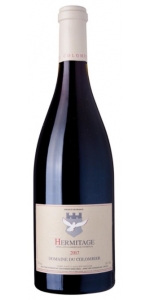
Domaine du Colombier Hermitage Rouge is made from 100 percent Syrah.
Perfect with beef ribs, grilled meats and cheese.
Manually harvested with destemmed grapes and fermented for about 2 to 3 weeks in temperature controlled vats, with an ageing period of 12 months, 65% in oak barrels and 35% in concrete tanks.
Review:
Brought up in 30% new demi-muids, with the balance in used barrels, the 2017 Hermitage is beautifully pure and layered, with smoking good notes of crème de cassis, white flowers, crushed rocks, and violets. Deep, full-bodied, and concentrated on the palate, it has plenty of tannins and is going to need 5-7 years of bottle age. This is a sensational Hermitage from Colombier that will drink well for 25+ years.
These wines are made by the talented Florent Viale and shine for their purity as well as character. While the winemaking here is traditional, with the wines destemmed and brought up mostly in used demi-muids, the purity of fruit can give the impression that wines are more modern styled than they are. They will all benefit from short-term cellaring.
-Jeb Dunnuck 96+ Points
Boussey Savigny les Beaune is made from 100 percent Pinot Noir.
The grapes for this wine arecoming from 3 different parcels of Savigny les Beaune loctaed in these 3 different lieux-dits: Les Saucours, les Petits Liards and Les Fourches.
The wine shows aromas of Red fruits with floral notes. It is elegant with a very pleasant long finish.
Boussey Savigny les Beaune is made from 100 percent Pinot Noir.
The grapes for this wine arecoming from 3 different parcels of Savigny les Beaune loctaed in these 3 different lieux-dits: Les Saucours, les Petits Liards and Les Fourches.
The wine shows aromas of Red fruits with floral notes. It is elegant with a very pleasant long finish.
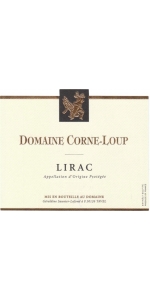
Corne Loup Lirac Rouge is made from 50% Grenache, 40% Syrah and 10% Mourvedre
Dry - less than 4 grams/liter
Color: dark red ruby.
Aromas: red berries, truffles and spices.
Flavors: complex and rich. It shows red and black fruits, with an herbal spice type of aromas coming from the surrounding vegetation (Garrigue).
The average age of the vines is 40 years. (The oldest vines are 80 years old).
The soil is mainly sandy marl and small pebble stones.
Pairs with lamb, duck, turkey, red meat, game and cheese.
Florence Cholet Hautes Cotes de Beaune Rouge is 100% Pinot Noir.
The nose expresses small red and black fruits, blackcurrant, cherry, raspberry and violet. The mouth provides a rich, supple and elegant wine with a good structure.
Pairs well with Pork, Filet Mignon, Pike Perch, Tomme de Morvan Cheese
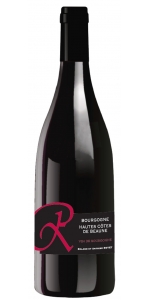
Royet Bourgogne Rouge Hautes Cotes de Beaune is made from 100 percent Pinot Noir.
Deep ruby color - notes of red berries and licorice - intense, structured palate with ripe fruit and a spicy finish.
Red meats grilled a la plancha, roast leg of wild boar, duck breast with pepper sauce
Domaine Maurice Ecard Savigny Beaune Rouge is a deep cherry colour with garnet highlights. Bouquet of small red and black fruits (blackcurrant, cherry, raspberry) and flowers (violet). The body is ample and discreetly tannic and the fruit remains present. Roundness, volume, power and balance are all here, and in just the right proportions.
about 4.5 Hectares of vineyards, 40 years old vines (on average), yields 35-40 HL/ha ; roughly 20,000 bottles produced every year.
The Maurice Ecard Estate
The Domaine dates back to before 1789 and produces some of the best Premiers Crus in Savigny. Owner Maurice Ecard, who is now retired, was considered by many experts to be the father of the appellation.
His wines are now produced by Vincent Sauvestere. Vincent's paternal family has been firmly established in Meursault since the 18th Century. His father and grandfather were both "Maitres de Chais" for one of the most prestigious Wine Houses in the heart of Meursault. Vincent's father, Roger, created his own company in the early fifties with the acquisition of a Wine Merchant founded in 1891. He also had his own vines, inherited from his mother. In 1988, Roger handed over the running of the company to Vincent. When Vincent, born in Nuits Saint Georges in 1961, took control of the Domaine, it consisted of only 6 hectares (14.81 acres) of vines. Today the Domaine covers 40 hectares (98.77 acres) from Chablis to Meursault. In addition, Vincent has acquired other viticultural Domaines in Chablis, the Côte Chalonnaise and recently in the Rhone Valley.
The Domaine is proud to possess two Grand Cru wines, Corton Charlemagne & Corton Marechaudes, as well as twelve Premiers Cru wines. Through his family's traditional winemaking skills, passed down from generation to generation, and his years of oenological studies, Vincent now advocates:
- Expression of the unique terroir characteristics from each individual vineyard by using traditional winemaking methods.
- Well structured and easy drinking Burgundies :
- Pleasing to the eye
- Soft and supple flavors
- Lingering aftertaste with excellent ageing attributes.
Vincent's constant aim is quality and respect for all wines.
The Maurice Ecard Vineyard
Th domaine is cultivated through organic methods and produces wines that purely and distinctly reflect the terroir. The Premiers Crus include: "Narbantons", "Jarrons", "Serpentieres", "Peuillets" and "Les Clous". The yields are never over 35 hl/ha. The vines are pruned and, when fully mature, harvested by manual selection. Vinification involves 75 to 100% destemming, a classic fermentation, pigeage, racking of the gross lees, 15-18 months in oak (15% new from Damy).

All older vintage wines have been purchased from a single collectors cellar. Pictures can be requested before shipment.
Licenciado Rioja Reserva is made from 100% Tempranillo
This single vineyard wine is always produced from the same vineyard that is also used to make the Gran Reserva wine.
Licenciado shows a ruby red color and outstanding aromas of wild berries, vanilla and spice. The palate is well-balanced, rounded and elegant, and offers black pepper, ripe black fruits and vanilla flavors. Its freshness, oak ageing and high extraction guarantee a longevity of at least 10 years after the year of harvest.
Best enjoyed with red meat and game
Review:
Spicy peppercorns, black cherries, plums and a touch of cocoa powder. Medium-bodied with firm, fine tannins and an extensive finish. Drink now or hold.
-James Suckling 90 Points



