" We don't sell the wine without touching the vine "
| BUY MORE! SAVE MORE! | ||||||||||||||||||||
|
| Country: | France |
| Region: | Beaujolais |
| Winery: | Dominique Piron |
| Grape Type: | Gamay |
| Vintage: | 2017 |
| Bottle Size: | 750 ml |
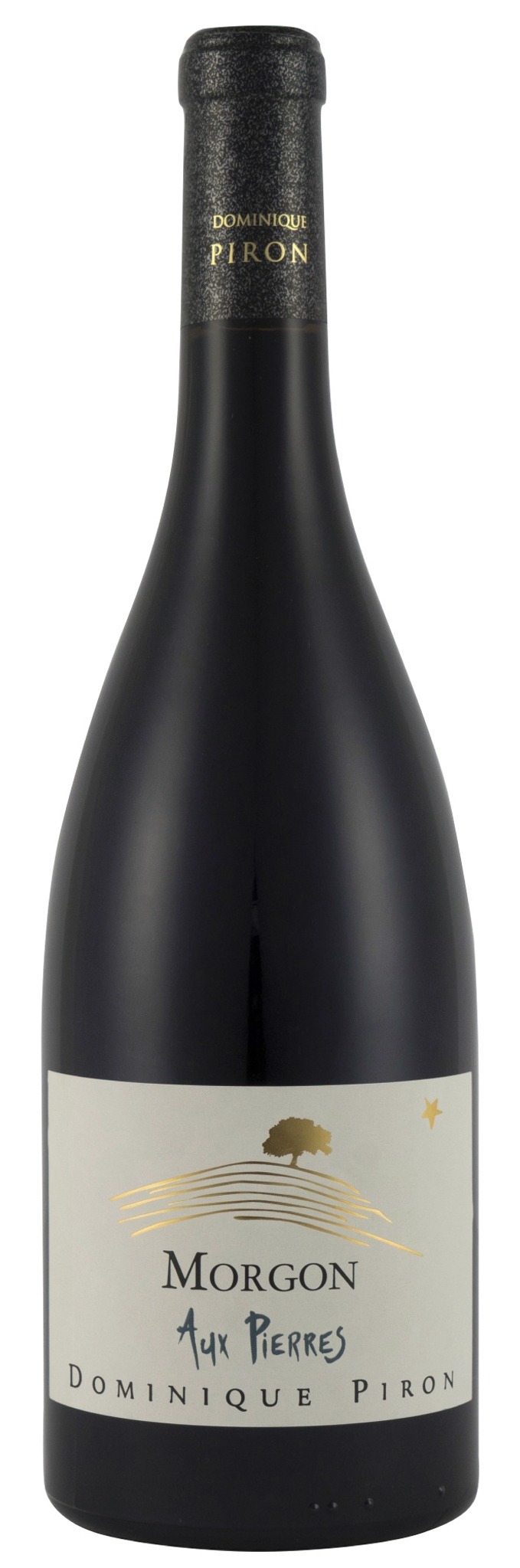
Dominique Piron Beaujolais Morgon Aux Pierres is made from 100% Gamay.
A mineral wine with fine tannins reflecting a perfume of concentrated dark fruits.
A small plot of vines of 85 ares acquired by Dominique Piron's grandfather in 1932. Registered on a place called "Aux Pierres", it is well named due to its blue stones, very typical of the Côte du Py. Year by year, the quality of the harvest has made it an emblematic plot of Piron's family. Elite of the domain, this special cuvee is produce only in case of exceptional vintage. It's a cuvee that can be kept for more than 10 years.
Review:
"This deep and powerful Morgon is just beginning to give its best. The spicy oak is there, but well integrated with the plum and blackberry fruit. Very good balance on the generous front palate, but at the back the richness makes a bold statement and the tannins just hold it in check. With a shade less ripeness this would be even more impressive. Drink or hold.
- James Suckling (April 2021), 92 pts
The oldest known ancestor of Dominique Piron, Etienne Bailly, was born around 1590 in Morgon, under the reign of King Henry III, in full wars of religion. 3 centuries of family Bailly and Piron followed one another, producing and selling wine from Gamay to Morgon.
Today, a new story is being written. With know-how, roots and terroirs, Dominique Piron has created a Domain among the leaders of the region.
At Maison Piron, there is no "recipe", but a multitude of possibilities and combinations, depending on the knowledge of the terroirs, the appellation, and the purpose. Grapes of quality that are ripe and representative of their soil, a severe sorting if necessary, a partial destemming depending on the maturity of the stalks, some "pigeages" and pumping over, lengths of fermentation depending on terroirs, appellations, and vintages. Few technical interventions. The major idea is "permanent adaptation to the elements". Piron wines are traditional. They express the soil from which they come from. It is a compromise between the search for the best tannins and the preservation of finesse, elegance and purity. A moderate maturation in barrels brings roundness without being overwhelming.
Starting with the Romans, wine growing has developed since the 3rd century. Dominique Piron’s oldest known ancestor was born in Morgon in 1590. Since then, there have been 14 generations of wine growers in the family. Morgon and Moulin à Vent wines have long been renowned among France’s finest wines.
Dominique Piron
1590 Oldest known ancestor Etienne Bailly, winemaker in Morgon
1950 Born in Côte du Py ; 14th generation in Morgon
1968 University of Dijon
1971 First vintage
1988 First grapes bought in Beaujolais
2003 Chenas with Lameloise
2016 President of the Interbeaujolais Bureau
Julien Revillon
1973 Born in Beaujolais
1997 Master of Wine Trade in Dijon
1998-2004 Burgundy, Bordeaux, Champagne
2005 Colombo in Rhône Valley
2013 Domaines Piron, Beaujolais
In a vineyard with difficult terrain− 30% steep slopes and a virtual patchwork of parcels, Dominique Piron is engaged in sustainable winegrowing. On winegrowing land filled with old broken-down granite and schist, the watchwords are natural balance and biodiversity.
For vinification, their goal is to create terroir wines, wines of character, that remain fruity, subtle and elegant.
Gamay is the heart and soul of Beaujolais crus.
A cross between the Pinot Noir and Gouais Blanc varieties, Gamay was originally imported from Croatia by the Huns in the 4th century. Gamay is a delicate variety and it is either excellent or nothing at all. At any rate, Gamay is a quite remarkable variety because it can either be enjoyed young for its fruitiness and elegance, or allowed to age, developing the structure and mineral qualities so appreciated by connoisseurs.
Morgon, the image of Dominique Piron.
Morgon wines are solid but never hard. They are racy and elegant. They always have a slight hint of black cherry (some would say kirsch, as the wine ages), and bright spicy notes. With their great structure, Morgon wines keep very well. Morgon, a sure value.
Eight other appellations, including Brouilly, Regnié, Fleurie, Chénas, Moulin à Vent, Saint Amour, Beaujolais rouge, rosé and white with the Chardonnay variety.
Domaines Piron, the specialist in Morgon.
A leading Beaujolais enterprise.
An international reputation with wines sold in 30 countries worldwide.

All older vintage wines have been purchased from a single collectors cellar. Pictures can be requested before shipment.
Patricia Raquin Santenay 1er Cru Beaurepaire is made from 100 percent Chardonnay.
The animals shown on the label are dogs. The breed is called Borzoi, also called "Russian Wolfhound", which means "fast" in Russian. Patricia and Alain are proud owners of 2 Borzois and they designed this label so that the dogs will be guardian of the vaulted ageing cellar inside their house.
The Santenay Santenay is coming from the Premier Cru called Beaurepaire.
The wine is showing a great pale yellow color with gold highlights. The nose is very delicate displaying aromas of white blossoms with just a hint of oak. In the mouth, the wine is very soft with a great deal of minerality, superb length and a tangy finish.
Dominique Piron Morgon Cote du Py is made from 100 percent Gamay.
The Morgon Cru is based in the heart of Northern Beaujolais. Côte du Py is the heart of Morgon, a little hill of very old blue stone rocks - the oldest soils of Beaujolais (around 430 millions years old), with a typical blue color.
Côte du Py has been known for centuries for being the best terroir of the village, producing long lived wines with strong structure and flavors.
Wines of the Côte du Py are very dark, profound and dense. Classic aromas of red berries, cherry, kirsh. Fruity, structured and mineral in the mouth with graphite flavors and spicy notes of black and white pepper. Wine can age up to 10 years.
Hand picked grapes are sorted manually and destemmed for 50 to 70%. Fermentation starts in concrete tanks and lasts for 18-25 days with remontages and pigeages. Then after pressurage starts the aging, for 2/3 in concrete tanks, and 1/3 in recent French oak barrels with batonages on fine lies only. After 10 month we do the blending, keeping only the best cuvees and best barrels, and do the bottling.
Pairs well with red meat like beef, duck and game (Hare, Dear, Wild Pork,…), cheses.
Dominique Piron Morgon Cote du Py is made from 100 percent Gamay.
The Morgon Cru is based in the heart of Northern Beaujolais. Côte du Py is the heart of Morgon, a little hill of very old blue stone rocks - the oldest soils of Beaujolais (around 430 millions years old), with a typical blue color.
Côte du Py has been known for centuries for being the best terroir of the village, producing long lived wines with strong structure and flavors.
Wines of the Côte du Py are very dark, profound and dense. Classic aromas of red berries, cherry, kirsh. Fruity, structured and mineral in the mouth with graphite flavors and spicy notes of black and white pepper. Wine can age up to 10 years.
Hand picked grapes are sorted manually and destemmed for 50 to 70%. Fermentation starts in concrete tanks and lasts for 18-25 days with remontages and pigeages. Then after pressurage starts the aging, for 2/3 in concrete tanks, and 1/3 in recent French oak barrels with batonages on fine lies only. After 10 month we do the blending, keeping only the best cuvees and best barrels, and do the bottling.
Pairs well with red meat like beef, duck and game (Hare, Dear, Wild Pork,…), cheses.
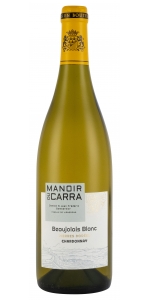
Carra Beaujolais Blanc Pierres Dorees is made from 100 percent Chardonnay.
The nose shows step by step floral and fruity aromas. A vanilla hint in the end with a lingering finish: those are typical Chardonnay aromas.
Carra Beaujolais Blanc Pierres Dorees is made from 100 percent Chardonnay.
The nose shows step by step floral and fruity aromas. A vanilla hint in the end with a lingering finish: those are typical Chardonnay aromas.
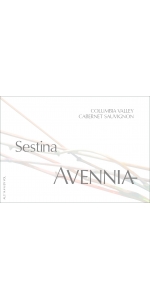
Avennia Sestina Cabernet Sauvignon is made from 77% Cabernet Sauvignon, 17% Merlot, 6% Cabernet Franc.
The story of this wine - The Sestina is an ancient form of poetry from Medieval France. Just as a modern poet can fill this form with new expressions, Avennia uses the traditional Bordeaux blend to express Washington. Sestina is their vision for an old vine, complex blend where all of the components complement each other. This wine is designed for the cellar, so the emphasis is on structure, balance, and complexity.
Winemaker Tasting Notes - “Good deep ruby/garnet color, with aromas of black cherry, fresh black currant, dark mocha, cigar box, and graphite. The palate is lively and dense with mountain berries, mocha, vanilla honey, damp earth, and wildflowers. The finish shows a distinct chalky minerality and beautiful tension. This is a classically balanced and ageworthy Sestina. Drink 2025-2040.” - Chris Peterson, Winemaker
Review:
"The Cabernet Sauvignon-dominated release from Peterson, the 2017 Sestina comes from the Red Willow, Bacchus, and Dionysus vineyards. Rocking levels of crème de cassis, sappy herbs, violets, and cedar pencil all flow to a full-bodied, incredibly pure, polished 2017 that offers flawless balance, ripe tannins, and a great, great finish. It's more approachable than normal yet is still going to evolve for 15 to 20 years. The blend is 77% Cabernet Sauvignon, 17% Merlot, and the rest Cabernet Franc, all raised 20 months in 50% new French oak."
- Jeb Dunnuck (April 2020), 95 pts
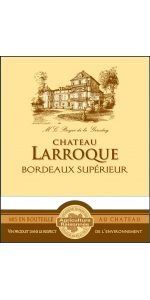
Chateau Larroque Bordeaux Superieur Rouge is a blend of 51% Merlot and 49% Cabernet Sauvignon.
Nose : Red fruits, almond and hazelnut, with a faint vanilla aroma.
Mouth : The silky, velvety attack reveals a pleasant, concentrated and well structured wine. It offers a combination of fruits pastes’ flavors, licorice and toasted notes, and an elegant finish.
The 60-hectare vineyard was rapidly replanted and the château building, which dates from 1348, was restored.
Our family now produces three different-colored wines there: red, white and rosé.
Fermentation : Alcoholic fermentation in thermo-regulated stainless steel vats at around 26°C / 78°F then a gentle vatting for 3 weeks at 30°C / 86°F. Running off and pressing,separation of the press and free-run juice. Malolactic fermentation in thermo-regulated stainless steel vats at around 18°C / 64°F
- 2017 Decanter World Wine Awards Decanter 95 Points
Color : Dark garnet hue
Marie-Christine, the daughter of Henri Ducourt, purchased this prestigious left-bank property in 1979, which lies on the border of the Graves appellation.
Grown on loamy-clay soil.
Macération : Pre-fermentation cold maceration of 24 to 48 hours
Enjoy this wine with charcuterie, roasted meats, BBQ, cheeses.
This limited release wine is created from the fusion of two exceptional parcels of 70% Shiraz and 30% Cabernet Sauvignon. This classic blend is matured in the finest oak crafting an intriguing unison that captures the essence of the vineyard and highlights its unique varietal expression.
Vintage Overview
2013 was a very good season with predominantly mild, dry days. Yields were generally low and this did result in some excellent parcels of fruit being harvested. Vine-balance was carefully monitored, resulting in fruit that demonstrates the vibrancy and fruit-derived characters that we strive for in our wines. By all accounts it was a textbook vintage.
Tasting Notes
Deep inky purple in color. Aromas of blackberry, mocha, mint and spices. Lush, ripe palate dominated by black fruits, cherry and chocolate. An expansive palate with black fruits and nicely balanced by oak.
Made with the greatest dedication and care, select parcels were matured in new and seasoned French and American oak for up to 20 months prior to being selected for this blend. Individual barrels from our family estate that best demonstrate the intensity of our fruit, balanced by integrated oak were selected for the final blend, which was then bottled with minimal filtration.
Pairs well with venison, ribeye steak, lamb.
Review:
70% Shiraz and 30% Cabernet Sauvignon. Fruit and oak combine here to produce a powerful, full-bodied red with coffee, toast, blackberry and rick plum flavours pouring through the palate. Tannin taps gently at the brakes: peppercorn and pine notes add lift: creaminess to the texture keeps everything running smoothly. Screwcap. 14.5% alc.
Halliday Wine Companion 2020 94 Points

Maysara Arsheen Pinot Gris is made from 100 percent Pinot Gris.
No oak
Arsheen was an Archeamenian Princess during the 500 B.C. Era. She taught Astronomy and was granted the role of winemaker in the palace due to her impeccable palate and knowledge.
A bright expression of fruit right up front, allowing you to mingle and recline in a shaded garden on a sunny day. The wine floats atop a delicate hint of salinity that will reward pairings of shellfish and citrus based preparations. Arsheen has a smart, refreshing character that will bestow clarity and a ready-set-go!
At Maysara Winery & Momtazi Vineyard, we are committed to cap-turing the complete expression of our land and conveying it to you through superior quality in every bottle. We practice only low-impact, holistic farming methods in our Demeter Certified Biodynamic Vineyard. We are confident these practices are the best way to capture the true essence of the soil in our fruit and ensure health of our vines and the unique accent of our terroir for generations. This philosophy is carried into the cellar, where Demeter Certified Biodynamic wine-making practices produce wines with intensity, sophistication and elegance while maintaining a purity of both fruit and earth.
Starting gunshot to any coursed meal, or even as a cocktail… try as a Bianco, with campari, lemon, ice and a splash of soda…