" We don't sell the wine without touching the vine "
| Country: | Germany |
| Region: | Mosel |
| Winery: | Dr. Leimbrock |
| Grape Type: | Riesling |
| Vintage: | 2010 |
| Bottle Size: | 500 ml |
A late harvest Riesling with fruity sweetness and great aging potential, aromatic bouquet of honey, melon, ripe fruits. Grapes come from Brauneberger Juffer and Juffer-Sonnenuhr - one of the most prestigious vineyards in the Mosel winegrowing region. The vineyard faces south and provides the best conditions for growing Riesling.
Pairs well with pâté, Asian cuisine.
Dr. Leimbrock Brauneberger Juffer Sonnenuhr Riesling Kabinett is made from 100 percent Riesling.
Brauneberger Juffer and Juffer-Sonnenuhr are one of the most prestigious vineyards in the winegrowing region Mosel. The vineyard faces south and provides best conditions to plant the Riesling vines.
Juicy and aromatic with a wonderful drinking flow and aromas of melon, stone fruit and apple. Makes you want the next sip.
ABV: 9.1%
TA: 7.5
RS: 36.5 g/liter
Dr. Leimbrock Brauneberger Juffer Sonnenuhr Riesling Kabinett is made from 100 percent Riesling.
Brauneberger Juffer and Juffer-Sonnenuhr are one of the most prestigious vineyards in the winegrowing region Mosel. The vineyard faces south and provides best conditions to plant the Riesling vines.
Juicy and aromatic with a wonderful drinking flow and aromas of melon, stone fruit and apple. Makes you want the next sip.
ABV: 9.1%
TA: 7.5
RS: 36.5 g/liter
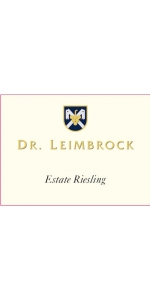
Dr. Leimbrock Estate Riesling is made from 100 percent Riesling.
Typical Riesling, fresh and fruity, easy drinking. Grapes come from Brauneberger Juffer and Juffer-Sonnenuhr - one of the most prestigious vineyards in the Mosel winegrowing region. The vineyard faces south and provides the best conditions for growing Riesling.
Pairs well with barbecue meats, pasta dishes.
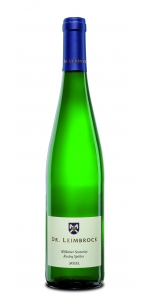
Dr. Leimbrock Mulheimer Sonnenlay Riesling Spatlese is made from 100 percent Riesling.
A classic in the residual sweet range that impresses with filigree fruit and mineral spiciness.
The circulating mountain "Mülheimer Sonnenlay" represents a geographical feature of the Moselle. Due to the strong meandering of the Moselle, the mountain was surrounded by the course of the river in geological development in such a way that a so-called circulating mountain arose from it. Located in the northeast-southwest direction, vines are cultivated on both sides of the mountain. The site name "Sonne" and "Lay" (Mosel Franconian for slate) combines the most important prerequisites for the cultivation of Riesling vines. Soils are skeletal-rich, weathered clay-ish shale enriched with sand, stones, and clay. At the beginning of the 1930s, the Mülheim winegrowers proudly pointed out that the local wine was served in the elegant restaurant of the airship "Graf Zeppelin" on its world trips and was obviously very popular.
Pair with spicy dishes, soft cheese, cakes.
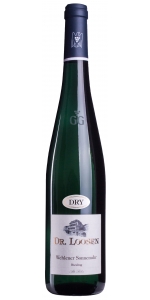
Dr. Loosen Wehlener Sonnenuhr Alte Reben Riesling Grosses Gewachs is made from 100 percent Riesling.
This is one of the greatest vineyards in the Middle Mosel. This precipitously steep, rocky vineyard consistently yields some of the most elegant and sophisticated white wines in the world. Citrus and white peach flavors predominate when the wines are young, turning to a pure expression of the mineral soil as they age.
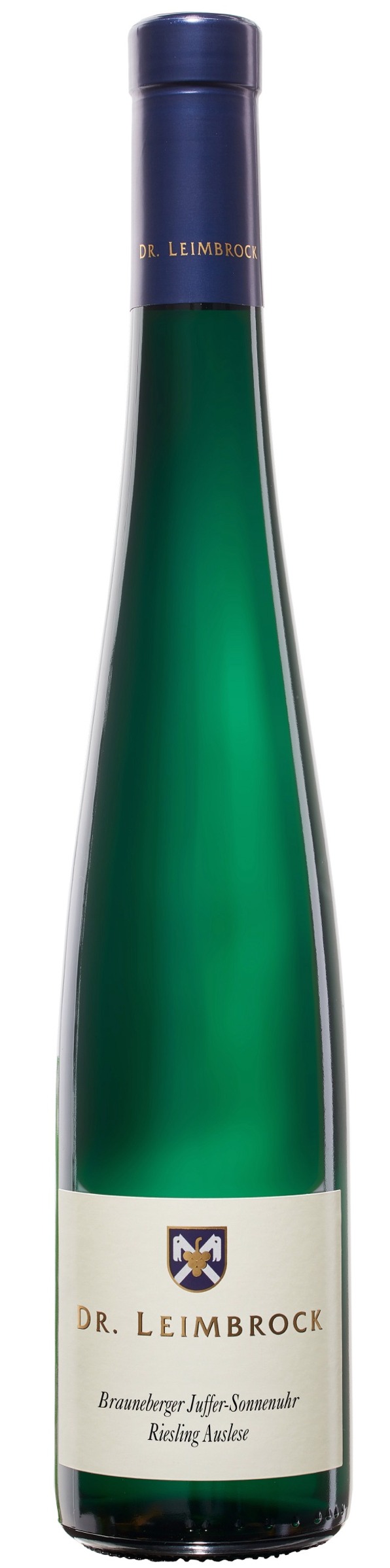
Dr. Leimbrock Brauneberger Juffer Sonnenuhr Riesling Auslese is made from 100% Riesling
Aged 6 months in classic large oak barrel.
ABV 8%Grapes come from Juffer-Sonnenuhr - one of the most prestigious vineyards in the Mosel winegrowing region. The vineyard faces south and provides the best conditions for growing Riesling.
delicious with exotic and candied fruit, flavors of date, honey and caramel, full-bodied Auslese with very concentrated aromas of apricot and dried fruits.
Vines were planted in 1990.
Wine was slightly filtered before bottling
Pair with dessert, cheese or dried fruits.
Dr. Leimbrock has been family-owned for more than 250 years and looks back on a long tradition of producing fine wines. The main focus of our wines are the dry and semi-dry Rieslings. Only when nature allows – which in recent years has increasingly only been possible through the selective picking of the grapes – resulting in the delicate and aromatic Spätlese and Auslese wines. The excellent Leimbrock wines have received both national and international awards. Our wines are only harvested from our own vineyards, only fermented in our own cellars and bottled at our own winery Date Founded: 1750
Owner: Ulrike Oeffling (Leimbrock) Winery Philosophy: Tradition meets Care The Dr. Leimbrock – C. Schmidt winery has been family-owned for more than 250 years and looks back on a long tradition of producing fine wines. The current vineyard of Dr. Leimbrock – C. Schmidt was founded in 1967 by Friedhelm Leimbrock and Lore Leimbrock nee Schmidt from the companies of their forefathers Friedrich Herrmann, Dr. Wilhelm Leimbrock and Conrad Schmidt. Winery/Vineyards Winery Acreage: 22 acres Winery Production: 7,500 cases / 9L cases Varietals Produced: Riesling, Weißer Burgunder, Kerner Winemaker: Dr. Friedhelm Leimbrock We cultivate our Riesling on 8.5 hectares in the best locations in Veldenz, Mülheim, Brauneberg, Bernkastel and Graach.
The soils of our vineyards originate from the ‘Devon’ soil and are composed of weathered slate. 60% of the hills of our vineyard are aptly named – their slopes are 30-80% steep! Ideal locations for Riesling where each area possesses an unmistakable character. Whether Mülheimer Sonnenlay, Veldenzer Bitsch, Brauneberger Juffer, Brauneberger Juffer-Sonnenuhr, Graacher Himmelreich, or the Bernkasteler Badstube, we have some of the best locations on the Mosel. The vineyard is led by Mrs. Ulrike Oeffling. The vines are cultivated in a natural way. We follow guidelines for fertilization, planting and soil protection that are the best for the environment.
The grapes are carefully pressed, the must is fermented in a naturally cooled cellar and the wine is finished in traditional style. Love of the vines, the soil and the wine as well as the certitude of living in one of the most beautiful wine regions is our passion. It is our belief that we can improve our lifestyle through moderate enjoyment of wine. – Lore Leimbrock nee Schmidt, Ulrike Oeffling nee Leimbrock, Rolf-Bernd Leimbrock and Dr. Friedhelm Leimbrock. Acreage per vineyard: Graacher Himmelreich (0,3 ha), Bernkasteler Bratenhöfchen/Badstube (0,4 ha), Brauneberger Juffer-Sonnenuhr (0,6 ha), Brauneberger Juffer (0,9 ha), Mülheimer Sonnenlay (2,8 ha), Other (4 ha)
-150x300.jpg "Bernardins Muscat Beaumes Venise VDN 2022")
Bernardins Muscat Beaumes Venise VDN 100% Muscat petits grains (75% Blanc, 25% Red)
Copper/rose hue and ripe soft aromas of orange, spice and flowers. The wine is full bodied with the texture of silk and flavors of orange custard, white peach, pear, apricot, toffee and orange peel.
The vineyards and their terroir are the essence of our wines. This is where everything starts and where we focus our efforts throughout the year. You can’t make great wine without great grapes.
The viticulture is essentially done by hand. Five people work full-time in the vineyards. They are supplemented by seasonal employees who work during bunch thinning and the harvest in order to bring out the very best in our vines. Working by hand and the attention each vine gets are fundamental. Pruning, de-budding, trellising, leaf removal and picking are thus carried out by hand with the utmost care.
We prepare the soil by using good old-fashioned ploughing. Organic compost is made from grape marc (the discarded stalks and skins).
As a way of protecting the plants, we only use phytosanitary products when necessary and within strict guidelines by staggering the treatments appropriately, to minimise the amount of chemicals used. We prefer to use as much as possible manual and organic techniques . Leaving natural grass cover, removing buds and leaves from the vines, preserving biodiversity around the vineyard: olive, almond and cypress trees, wild rosemary and capers.
In the spirit of respecting traditional techniques and the best elements of modern technology, cellar manager Andrew Hall and his winemaker son Romain Hall take family traditions very seriously.
When making our wines, the Muscat de Beaumes de Venise plays a central role and requires great care. After picking the grapes by hand, we press them straightaway to ferment the juice without skins. We don’t add any yeasts and keep the alcoholic fermentation in check by temperature control. Vin Doux Naturel winemaking involves stopping fermentation to preserve the grapes’ natural sweetness. During vinification, we watch the vats day and night and add the fortifying spirit just at the right moment. At this stage, the wine’s final balance is at stake. The wine is then aged in stainless steel tanks for 6 months before bottling.
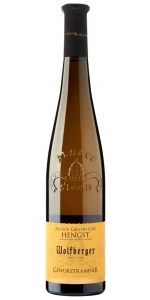
Wolfberger Alsace Grand Cru Hengst Gewurztraminer is made from 100 percent Grand Cru Gewurztraminer.
Hengst means stallion in alsatian.
Floral nose, yellow fruits, sweet spices. The mouth is ample with the same aromatic.
Tangential filtration before bottling.Vinification in stainless steel tanks at 16°C then aging on fine lees until spring of the following year.
Full-bodied cheese (munster, époisses), curry, dessert with fresh fruit
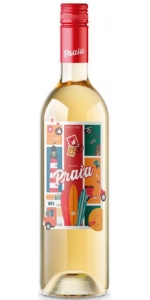
Praia Aveleda Vinho Verde NV is made from 40% Loureiro, 20% Trajadura, 20% Arinto, 20% Azal.
Praia, which means "beach" in Portuguese, is a smooth and fresh wine with delicate and lovely fruity flavors. Slightly spritzy, it is well balanced and very refreshing.
The region is typical for its unique wines that are fresh and light, combined with a very well balanced acidity. These characteristics result from the region's unique soil and climate, with a strong Atlantic influence that you will identify when you taste it.
The wine is ideal as an aperitif or throughout a meal, especially with fish, seafood, white meat and salads. Due to it freshness, it is particularly pleasant in a relaxed and informal ambiance.
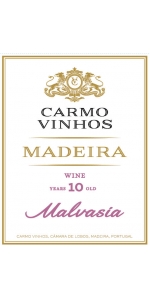
Carmo Vinhos Madeira Malmsey 10 Yr is richest style of Madeira. With a deep amber color, this intense wine has a complex flavor of walnuts, dried fruits, coffee and caramel. Full body hiding the acidity and a very long finish. An excellent accompaniment to coffee.
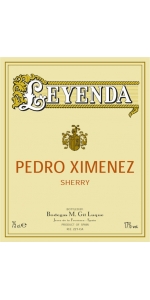
Intense mahogany. Deep aroma of dried fruits (raisins, figs) bouquet subtle notes of chocolate and coffee. Smooth and velvety in the mouth with a long after taste.
To be served with desserts, at room temperature or slightly chilled, delicious poured over ice cream.
Review:
"Violet color. Aromas and flavors of mashed raisins and prunes and chocolate nuts with a bright, sweet medium-full body and a subtle, long fig paste, mincemeat pie, and baklava finish with no oak. A rich and toothsome PX Sherry with great length and depth."
- Tastings, 2018 World Wine Championships, 93 pts - "EXCEPTIONAL"
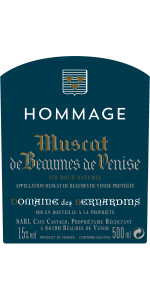
Bernardins Muscat de Beaumes de Venise Hommage is made from 75% Muscat petits grains blancs, 25% Muscat petits grains noirs.
The wine shows a golden hue with orangy highlights. Endearing nose of grape, orange peel and a honeyed accent. Mild at point of entry, spendid aromatic intensity, sultana, candied orange, rose petal and refined spice. Our Muscat de Beaumes de Venise has a great age ability.
For every vintage of our Muscat de Beaumes de Venise, the grapes are picked by hand. We press them straightaway to ferment the juice without skins. We don’t add any yeasts and keep the alcoholic fermentation in check by temperature control. Vin Doux Naturel winemaking involves stopping fermentation to preserve the grapes’ natural sweetness. During vinification, we watch the vats day and night and add 95% grape spirit just at the right moment. At this stage, the wine’s final balance is at stake. For the Hommage, we blend different vintages, aged in stain steel vats, to create the complexity of a long lasting wine.
The Hommage is a versatile companion to many deserts. Most expressive with dry biscuits and dry fruits, it retains all its character served with a fruit tart, puff paestry and chocolate or coffe desserts. To appreciate as well with duck breasts and figs. Served with a roquefort or a silton, it is marvellous. Simply as an aperitif with some dry fruit or grilled almonds. It's also a good compagnion for a classy cigars.

All older vintage wines have been purchased from a single collectors cellar. Pictures can be requested before shipment.
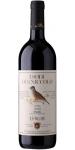
Castellare di Castellina 'I Sodi di San Niccolo' Toscana IGT is a blend of Sangioveto (85%-90%) and Malvasia nera (15-10%)
Intense ruby red in color and with a great olfactory concentration, thanks to the presence of a ripe red fruit that leads to notes of jam, but also spices, vanilla and licorice. In the mouth the wine is characterized by a dense and elegant texture, also supported by the important acidity of the Sangiovese, the tannins are absolutely sweet and the finish is long and of great persistence.
Excellent with cured meats and savory meats, with succulent dishes and mature cheeses. Much appreciated when paired with Tuscan Pecorino and Parmigiano.
The masterpiece of Castellare, I Sodi di San Niccolo, has twice placed in the top 100 of Wine Spectator, and has been awarded “Three Glasses” by Il Gambero Rosso.
I Sodi di San Niccolo is produced solely with native varieties: 85-90% of Sangioveto and 10-15% of Malvasia Nera, I Sodi comes from the two best crus of the farm.
The word "I Sodi" was used by the Tuscan farmers to describe those grounds which had to be processed by hand, being too hard (in fact firm) or too steep to allow for the employment of the horses, unlike the "fields" that make the grounds more easily cultivable.
Reviews:
Packed with ripe, juicy cherry, blackberry, pomegranate and floral aromas and flavors, this red is supple and beautifully integrated. Earth, iron and tobacco accents add detail as this winds down on the lazy, resonant aftertaste, showing terrific energy. Sangioveto and Malvasia Nera. Best from 2026 through 2043.
-Wine Spectator 97 Points
#35 Wine Spectator Top 100 of 2024
Vinous 97+ Points