
" We don't sell the wine without touching the vine "
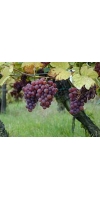
Gewurztraminer is the signature grape varietal that is grown predominately in the Alsace region. The white grape is highly perfumed with aromas of lychee, grapefruit, smoked meat, and even rose petals. The spices in Gewurztraminer are captivating and immediately noticeable. Many Gewurztraminer grapes lack refinement because of the high alcohol and low acidic content. Gewurztraminer is on one end of the scale, while the Riesling grape is on the other. No other region on the planet has been able to produce the amount of Gewurztraminer grapes like the Alsace region. Other than late-harvest versions, Gewurztraminer is usually a dry white wine despite its sweet smell. Gewurztraminer wines are best when enjoyed sooner rather than later. Gewurztraminer produces both sweet and dry wines with flavors that include pumpkin spice, honey, pear, cinnamon, apricot, and rose. The Gewurztraminer that is produced in Alsace is normally a dry wine that pairs wonderfully with rich and fatty dishes like goose or pork. Gewurztraminer is also an excellent wine to pair with ripe cheeses and exotic spiced dishes from India, Morocco, and the Far East.

All older vintage wines have been purchased from a single collectors cellar. Pictures can be requested before shipment.
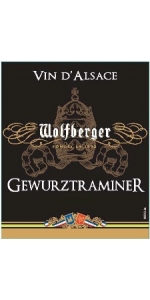
Wolfberger Alsace Gewurztraminer is made from 100 percent Gewurztraminer
Very aromatic, with rose petal, peach and honeysuckle aromas. Full bodied, bright, zesty and crisp, this wine is extravagant and extroverted.
This wine has been awarded with silver and gold medal on a regular basis for the last decade.
Wolfberger Alsace Gewurztraminer is made from 100 percent Gewurztraminer
Very aromatic, with rose petal, peach and honeysuckle aromas. Full bodied, bright, zesty and crisp, this wine is extravagant and extroverted.
This wine has been awarded with silver and gold medal on a regular basis for the last decade.
All older vintage wines have been purchased from a single collectors cellar. Pictures can be requested before shipment.
Dominique Piron Morgon Cote du Py is made from 100 percent Gamay.
The Morgon Cru is based in the heart of Northern Beaujolais. Côte du Py is the heart of Morgon, a little hill of very old blue stone rocks - the oldest soils of Beaujolais (around 430 millions years old), with a typical blue color.
Côte du Py has been known for centuries for being the best terroir of the village, producing long lived wines with strong structure and flavors.
Wines of the Côte du Py are very dark, profound and dense. Classic aromas of red berries, cherry, kirsh. Fruity, structured and mineral in the mouth with graphite flavors and spicy notes of black and white pepper. Wine can age up to 10 years.
Hand picked grapes are sorted manually and destemmed for 50 to 70%. Fermentation starts in concrete tanks and lasts for 18-25 days with remontages and pigeages. Then after pressurage starts the aging, for 2/3 in concrete tanks, and 1/3 in recent French oak barrels with batonages on fine lies only. After 10 month we do the blending, keeping only the best cuvees and best barrels, and do the bottling.
Pairs well with red meat like beef, duck and game (Hare, Dear, Wild Pork,…), cheses.
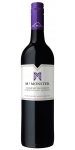
Mt. Monster Cabernet is 100% Cabernet Sauvignon.
The Bryson family established Mt. Monster wines in 2005 with pristine fruit from their cool climate vineyard at Padthaway. Environmentally friendly viticulture, hand pruned, low yielding mature vines, grown on terra rossa soil and exceptional fruit are how they consistently produce outstanding wines. Modern winemaking and minimal processing is employed to ensure the purity, integrity, texture and flavor from the vineyard.
Mt. Monster is a unique, rocky granite outcrop with panoramic views over the Limestone Coast, north of Padthaway.
“Our family vineyard is located in the picturesque and historic Padthaway valley, 300 km south of Adelaide. Our rich, fertile terra rossa soils, environmentally friendly viticulture, low yield and exceptional fruit is how we consistently produce outstanding wines. Small parcels of the highest quality fruit are selected from our family vineyard and handcrafted to create wines with amazing depth of flavour, style and balance.” - David Bryson, Owner and Winemaker
Deep purple in color. Classic aromas of lifted blackcurrant, blackberry and mint on the nose. Flavors follow through of sweet berry-fruit accented by fresh muddled mint. Elegant, structured palate with big velvety tannins.
Pizza, pasta, burgers and grilled vegetables will be a perfect match for this delicious Cabernet.



