
" We don't sell the wine without touching the vine "
Godello is a white wine grape planted in Galicia, Spain. On the verge of extinction, Godello was brought back in the 1970s, and now is one of the most popular white wine varieties. Godello wines produced in steel tanks have a crisp, fresh, and fruity with good mineral notes. Godello wines produced with oak are creamy on the palate, which is a direct result of contact with lees. The most notable characteristic of Godello wines is the wildflower flavor and a fuller body than most wines with the same mineral qualities. It is important not to confuse Godello with Verdelho. They are different grapes, but the same name is sometimes used. Godello is also known as Ojo de Gallo, Godenho, Agudelo, and Agodenho.
No products found
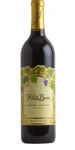
Far Niente Post & Beam Napa Cabernet Sauvignon is made from 100 percent Napa Cabernet Sauvignon.
At Post & Beam, we make wines of pure expression, built on generations of hands-on experience producing acclaimed Cabernet Sauvignon and Chardonnay. Backed by the expertise and legacy of Far Niente Wine Estates, we use time-honored techniques to make exceptional wines that can be enjoyed upon release. Our expertise of winemaking at the highest level has enabled us to create wines that seamlessly unite tradition and modernity.
The 2022 Post & Beam Cabernet Sauvignon displays seductive aromas of briar patch and plum sauce on the nose before leading onto a palate that is well-structured yet elegant. Round and textured on the palate, the entry is layered with cassis and blackberry. The finish exudes vanilla, mocha, and cocoa flavors alongside resolved tannins.
Review:
Richly appointed, with dark blue and purple fruit and a plush mouthfeel. Notes of plum liqueur and freshly roasted coffee grace the palate as dark chocolate and anise entwine with the wine's well-defined structure and satin-lined tannins. Spiced red tea and sandalwood engage with more chocolate on the finish.
-Tasting Panel 95 Points
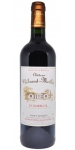
Thibeaud-Maillet Pomerol is made from 100 percent Merlot
Deep ruby with black rim. The nose is spicy, with blackberry, cherry, vanilla, chocolate and a delicate oak presence.
The wine is balanced, the tannins are present, but well integrated and round.
The finish is long and pleasant.
Harvest is done manually and the berries are selected with optical sorting before entering the cellar. Fermentations are carried out at controlled temperature with 3 to 4 weeks of skin contact. Once the malolactic fermentation is completed; the wines are put into barrels (50% new) and aged for 12 months. The estate uses three barrels from three different coopers: Vicard (Charentes)supplying most of the barrels with medium toast and a fine grain, Cadius from Burgundy supplies also fine grain/ medium toasts barrels and last but not least Sylvain, a local cooper is used for three barriques a year, those bring a bit more austerity but also a certain backbone to the blend.
Aged in French oak barrels for 15 months (50% new oak).
Delicious with grilled meat and grilled vegetables.
Review:
Spice, ripe cherry, dark plum, paprika and tobacco aromas. Medium- to full-bodied with tight-grained tannins, compact fruit and a long, firm finish. Drink from 2027.
-James Suckling 92 Points



