
" We don't sell the wine without touching the vine "
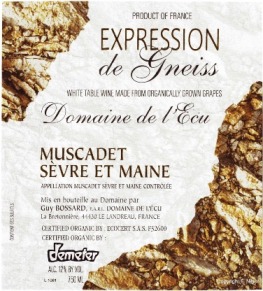
| Country: | France |
| Region: | Loire |
| Winery: | Ecu (Guy Bossard) |
| Grape Type: | Melon de Bourgogne |
| Vintage: | 2014 |
| Bottle Size: | 750 ml |
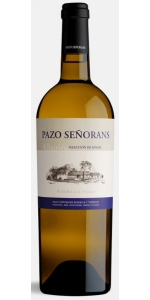
Pazo de Senorans Seleccion de Anada Albarino is made from 100 percent Albarino.
Straw yellow with greenish tints, vivid and brilliant. High intensity and very expressive. Profusion of aromas with traces of mineral. Great volume and ample body leaving a lasting impression from beginning to end.
Reviews:
I think the 2014 Albariño Selección de Añada could be the finest vintage of this characterful long-aging Albariño, from a year with a more moderate 13% alcohol and very high acidity (and low pH) that make the wine fresher and more vibrant. It is developing very slowly and showing quite young after it spent over 30 months with lees in 1,500- and 3,000-liter stainless steel tanks. It has a pale color and an elegant nose with notes of freshly cut grass, white flowers and wet granite. The palate is vibrant with effervescent acidity, and it has a long, dry and tasty finish with an austere sensation, far away from the tropical notes of some past vintages. This is superb and should continue developing nicely in bottle. Bravo! It wasn't bottled until April 2023, and 14,000 bottles were produced.
-Wine Advocate 96 Points
Tech:
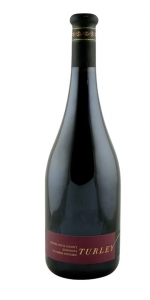
After working with the fruit for over a decade, Turkey is proud to present the first single-vineyard bottling for Turley from the Del Barba Vineyard. Contra Costa is a delta where the San Joaquin and Sacramento rivers meet, and these head-trained vines are planted in deep dehli blow sand, made up of decomposed granite coming down from the Sierra Mountains. The resulting wine embodies the best the delta has to offer: silken textures, ultra fine tannin, and dark saline fruits.
Review:
"The 2023 Zinfandel del Barba is ripe, boisterous and super-expressive. Floral overtones and bright acids run through a core of red/purplish fruit. Sandy soils confer lovely aromatic presence to this pure Zinfandel. This is an especially accessible offering from Turley."
-Vinous 91-93 Points
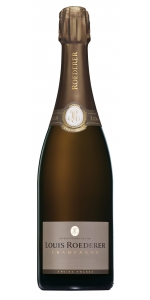
Intense, fresh and fruity bouquet, reminiscent of a tangy red fruit tart (wild strawberry, blueberry), slightly sweet yet underpinned by more concentrated, jammy and citrus notes. The aromatic complexity comes through after a few swirls in the glass giving us a medley of spice, warm cinnamon and peppers. Fleshy attack dominated by ripe, crunchy, plump red fruit that brings depth and creaminess. The fruity structure is gradually elongated by a chalky, mineral freshness that creates a lingering sensation of lightness and harmony on the finish.
Review:
Roederer's 2014 Brut Vintage is beautiful, offering up aromas of pear, mirabelle plum, red berries, warm biscuits and smoke. Full-bodied, layered and elegantly muscular, it's seamless and complete, with terrific mid-palate depth and amplitude. Framed by bright acids and enlivened by a pinpoint mousse, it concludes with a penetrating finish. The blend is 70% Pinot Noir, emphasizing Verzy, and pressure is a touch higher than in its more ethereal Blanc de Blancs counterpart. As I wrote of its 2013 predecessor, this is a wine that puts many prestige cuvées to shame.
95 Points Robert Parker's Wine Advocate
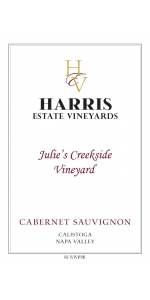
Heritage School Julies Creekside Cabernet Sauvingon is made from 100 percent Cabernet Sauvignon.
The Cabernet Sauvignon Julie’s Creekside Vineyard is an impressive, opaque purple colored wine that is super-concentrated and extracted with relatively sweet tannins, a touch of chocolate and espresso, a full-bodied mouthfeel and pure, dark, primordial fruits. This is a big, masculine, concentrated wine set for long-term aging. Saying that, it has a certain accessibility, but won’t hit its prime for at least another 8-10 years and keep 25-30.
Review:
"The 2014 Cabernet Sauvignon Julie's Creekside Vineyard is dark, sumptuous and surprisingly open-knit for such a young wine. Black cherry, plum, game, rose petal, sage, smoke and earthy notes underpin a core of intense dark red cherry and plum fruit. Soft contours and generous, super-ripe fruit add to the wine's near and medium-term appeal. - Antonio Galloni"
- Antonio Galloni's Vinous (December 2016), 93 pts
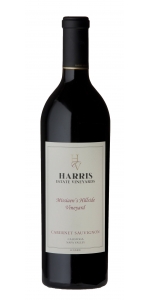
Heritage School Missiaens Hillside Cabernet Sauvignon is made from 100 percent Cabernet Sauvignon.
A steep, rocky site with red volcanic soils results in our most structured and concentrated wine. Planted in 1998 using 110R rootstock and clone 337 Cabernet Sauvignon our Hillside Vineyard produces wines as breathtaking as the views from its slopes. These tiny, dark blue berries ripen near the end of September thanks to cool afternoon temperatures allowing for increased hang time and developed flavors.
Reviews:
"The 2014 Cabernet Sauvignon Missiaen's Hillside Vineyard is the darkest and richest of these wines, but it also has enough structural breadth to handle all of that intensity. Superripe plum, bittersweet chocolate, tobacco and licorice all flesh out over time. This is an especially rich, seamless style, yet all the elements are in the right place. - Antonio Galloni"
- Antonio Galloni's Vinous (December 2016), 92 pts
Guy Bossard Domaine De l'Ecu Muscadet Gneiss is 100% Melon de Bourgogne sourced from a 4 hectare vineyard.
Sub-soil: gneiss
Yield: 50 hl/ha
Production: 555 cases
Fresh, clean and lemon-lime flavors. This wine displays a nice minerality on the nose and the palate that reflects the expression of the terroir. Good young but will improve over the 5-7 next years.
A perfect match to fish, seafood and white meats.
The Domaine de l'Ecu Guy Bossard Estate
The domaine is located in the hamlet of Le Landreau in Sevre et Maine, Muscadet's best region of production. The family has been producing wine there for 5 generations, but current owner Guy Bossard defies the prevailing view that organic producers can't make great wine. The estate became organic in 1975, and biodynamic in 1986. Guy Bossard makes his own compost using algae, forest brush and basalt. He produces 3 different cuvees, each masterfully crafted to highlight the expression of the specific soil types.
The Hermine d'Or designation is given to specially selected Cuvees of Muscadet, (tasted blind) that score highly. Hermine d'Or wines are picked for:
1. Typicity - Trueness to type (no oak here).
2. Ageability - The ability to improve in the bottle.
3. Minerality - Classic feature of wines of this region.
This insignia, Hermine d'Or, is as near a guarantee of quality as can be found in the region.
Matt Kramer, the Wine Spectator - My Wines of the Year -
"Ah, my beloved Muscadet always pops up on this list, as I like to buy'em and age'em for upward of a decade. Guy Bossard, the owner-winemaker of Domaine de l'Ecu, is obsessed with Muscadet. His vines and winemaking are fully biodynamic. If Burgundy's Domaine Leroy made Muscadet, it would be Domaine de l'Ecu. In the classic 2002 vintage, Bossard offered multiple bottlings based on soil types. His Expression de Granit is all about intense minerality; Expression d'Orthogneiss is spicier, richer and denser. Both need 10 years of age. The prices are absurdly low."
"The gifted, highly regarded Guy Bossard produces serious Muscadets, built to age; fully biodynamic since 1986." - Anthony Dias Blue's pocket guide to wine 2006
The Domaine de l'Ecu Guy Bossard Vineyard
Guy Bossard farms 17 hectares (42 acres) entirely using biodynamic methods. The average age of the vines is 45 years.
The wines are fermented "sur lie", on the yeast, to prevent oxidation and impart full flavor and a slight spritz to the finished product.
My First comment tasting this wine is "wow!" It's delicious; our flagship wine at Paradigm and it delivers. Dense, deep, ripe aromas of black berry and black cherry-like fruit layered with caramel and toastiness from a nice mix of French Oak barrels. Flavors coat the palate with matching notes in a classic Cabernet Sauvignon presentation. One of our best Cabs to date!
Paradigm Cabernet Sauvignon is made from 96% Cabernet Sauvignon, 3% Merlot , 1% Petit Verdot
Review:
"Owned and managed by the Harris family, Paradigm winery produced its first vintage in 1991 in Oakville with winemaker Heidi Barrett. A self-contained winery estate with 50 acres of vineyards, Paradigm maintains a hands-on approach to all winemaking and vineyard operations. The 2015 Cabernet Sauvignon consists of 89% Cabernet Sauvignon, 6% Merlot, 3% Petit Verdot and 2% Cabernet Franc, and is aged in both new and used French oak for 20 months, then aged a further 20 months in bottle before release. The total production for this vintage was 5,544 bottles." Blind tasted by Dave Allen, Stephen Brook, Terry Kandylis (at Decanter Magazine's December 2019 Californian Cabernet 2015 Panel Tasting, London, 17 Sep 2019)
- Decanter 95 Points
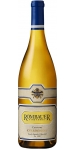
Fragrant aromas of yellow peach and ripe melon are found on the nose, interspersed with bright citrus notes. These continue on the palate with notes of creamy vanilla and buttery nuances on the long finish. Rombauer's signature bright acidity is evident throughout each sip, balancing the softness of the midpalate.
Pairings for this wine include crab cakes, barley risotto, and strawberry shortcake.



