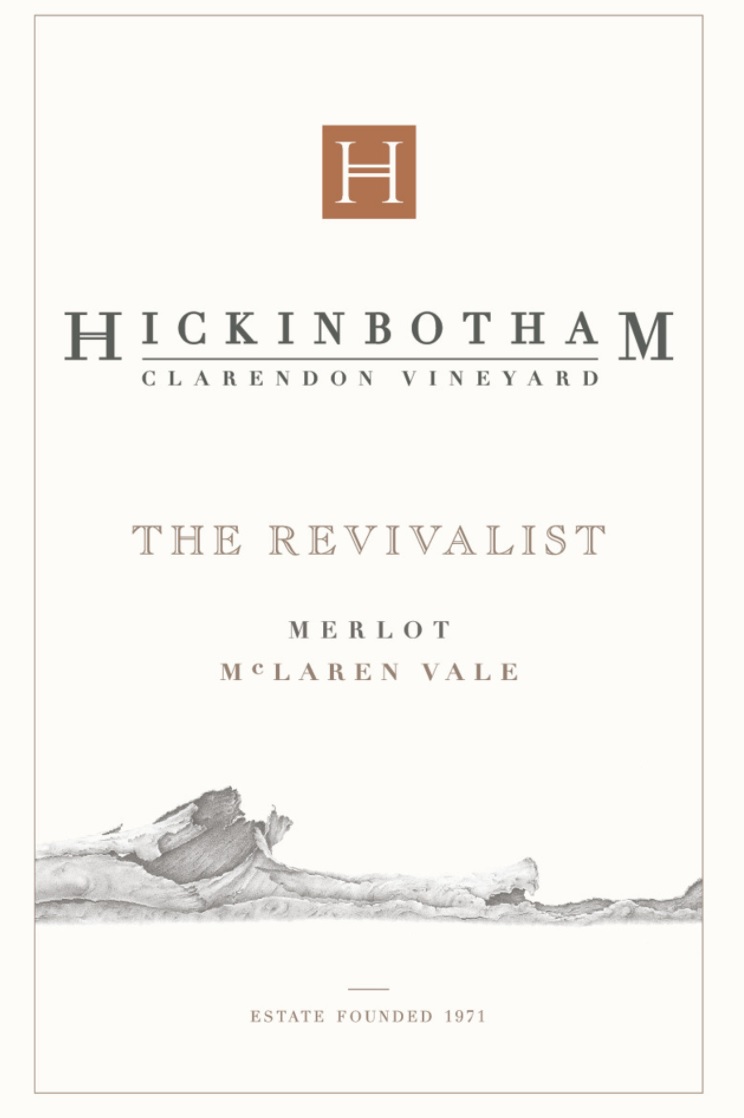
" We don't sell the wine without touching the vine "
| BUY MORE! SAVE MORE! | ||||||||||||||||||||
|
| Country: | Australia |
| Region: | McLaren Vale |
| Winery: | Hickinbotham |
| Grape Type: | Merlot |
| Organic: | Yes |
| Vintage: | 2018 |
| Bottle Size: | 750 ml |
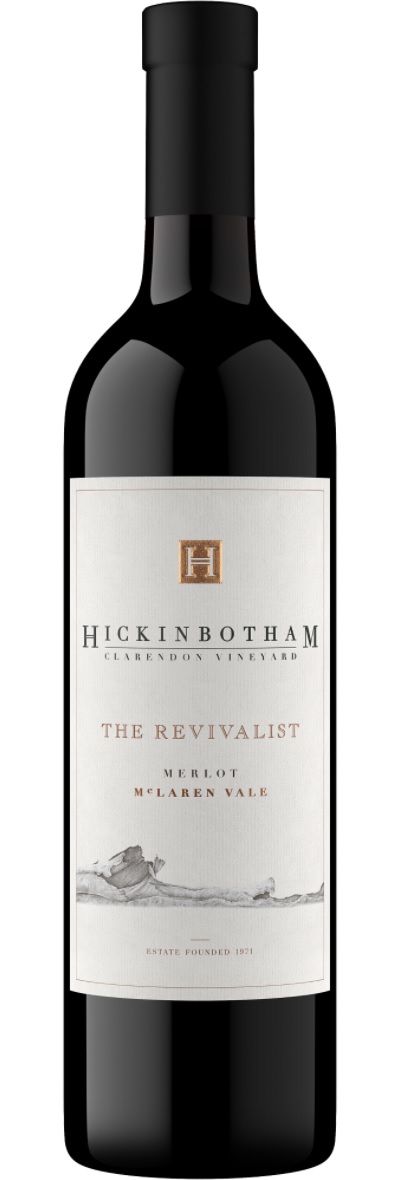
Hickinbotham Revivalist Merlot is made from 100 percent Merlot.
The Merlot for this red wine was sourced from vines planted in 1989 and 1976 at 220-245m altitude on a western facing aspect on the estate. During harvest, we hand-picked, de-stemmed, whole berry sorted, then 100% gently crushed. We then cold soaked, with native fermentation, and pumped over daily with a minimum of 21 days on skins. Basket pressed with light pressing included in free run, heavier pressings kept separate and not included, drained directly to barrel. The wine was racked and returned three times during maturation for 15 months, aged in fine-grain Bordeaux coopered barrels of which are approximately 25% new.
Review:
Deep ruby. Lush cherry-cola, blackberry and mocha qualities on the deeply perfumed nose, which is complemented by suggestions of candied rose and vanilla. In a round, generous style, offering sweet dark berry and fruitcake flavors that are supported by an undercurrent of juicy acidity. Pliant tannins frame an impressively long, sappy finish that strongly repeats the cherry and floral notes. 50% new French oak.
- Vinous 94 Points
First planted in 1971 to dry-farmed Cabernet Sauvignon and Shiraz, Hickinbotham Vineyard is situated on the high elevation hills of Clarendon, a subregion along the northern edge of McLaren Vale in South Australia. The vineyard historically produced fruit for many of Australia’s most iconic producers but was not bottled under its own label until 2012. Led by winemakers Christopher Carpenter and Peter Fraser – and viticulturer Michael Lane – Hickinbotham Vineyard continues its nearly 50-year legacy.
The first vines at the Hickinbotham Vineyard were planted in 1971 by Alan David Hickinbotham, son of Australia’s first wine science lecturer at the famous Roseworthy Agricultural College, Alan Robb Hickinbotham. This 186-hectare property of rolling hillsides remained under Hickinbotham family ownership for more than 40 years until it was purchased by the Jackson family in 2012. The vineyard has been farmed according to organic and biodynamic practices since 2019.
The pedigree of the Hickinbotham Vineyard has long been established but, until the change of ownership in 2012, grapes from the 85-hectares of vines were only ever sold to an esteemed list of winemakers. With wineries including Penfolds, Clarendon Hills and Hardys, grapes were credited to flagship wines like Penfolds Grange and Eileen Hardy Shiraz. It was only Clarendon Hills that released vineyard-designate wines bearing the “Hickinbotham” name.
The first four wines to bear the Hickinbotham Vineyard label were produced from the 2012 vintage: Shiraz, Merlot, Cabernet Sauvignon and a Cabernet Shiraz blend. These parcels were selected from the oldest terraced plantings which trace the contours of the undulating, hillside terrain and continue to provide a rich tapestry of qualities from which the wines are crafted each year.
The character of the Hickinbotham Vineyard is profound and produces famously resilient wines with highly expressive character. The breathtaking views from the top of the site down over the vines towards the Onkaparinga Gorge command ancient ground that is the key to the innate power this site produces. The cooling breezes funnel through from the hills above and the coast below and lend a desirable freshness to the wines.
I feel this wine expresses the greatness of California and its hidden pockets where Cabernet can excel. The cold Pacific Ocean running the entire length of the state presents maritime influences – and with each small distance eastward the climate warms. Stony soils, south facing slopes and moderately warm conditions are the keys to producing dark, rich and good tasting Cabernet.
A small release from Caymus Vineyards, this wine is a California-appellation Cabernet Sauvignon – supple, dark and rich, bearing the signature hallmarks of Caymus. It is sourced from sites throughout the state which feature climatic conditions, soils and topography that are ideally suited to Cabernet. This project stems from excitement over California's diverse vineyard land, often in lesser-known areas, with the potential to produce exceptional Cabernet.
Clif Lede Cabernet Sauvignon Stags Leap is made from 82% Cabernet Sauvignon, 8% Merlot, 7% Cabernet Franc, 3% Petit Verdot.
Our Stags Leap District and Calistoga estate vineyards build the foundation of this wine with support from valued grower sites located in Oakville, Rutherford, and Howell Mountain. Composed of small batches from a variety of blocks of varying age, this wine represents a diverse range of carefully selected rootstocks and clones. Yields are maintained at sparse levels, with a focus on canopy management and vine balance. The resulting blend boasts a remarkable depth and complexity that is quintessential Napa Valley.
Grapes were picked in the darkness of the early morning hours. The freshly-harvested fruit immediately underwent rigorous selection by our three-tiered sorting process, which included our cutting-edge optical sorter. Whole berries were gently delivered by gravity to tank using our crane system, minimizing disruption of berry integrity. Cold soaks lasted approximately seven days, and fermentations were managed via a combination of délestage, pumpovers, and punchdowns. Extended maceration ranging from four to five weeks fine-tuned our tannin profiles, allowing us to perfect mouth feel and wine complexity. The wine was aged in French oak barrels, 48% of which were new, for twenty-one months.
Elegantly soft and lithe the 2021 coaxes the taster with warm dark chocolate and luscious black cherry aromas. More graphite, chocolate cake, crushed mulberries, and iron notes leap from the glass. The entry is filled with dark fruit flavors of cassis, blackberry, and blue berries and they’re all tinged with floral notes of jasmine and violets. The polished tannins along the finish feel Cashmere-like and beg the taster for another sip. – Christopher Tynan, Director of Winemaking
Review:
So silky and drinkable at the first sip, this well-concentrated wine feels tight and restrained with more tastes, holding its trove of black fruits, cedar, cinnamon and dark chocolate in a rich blanket of extra-fine tannins. Its complexity, layering and lingering finish are something special.
-Wine Enthusiast 94 Points
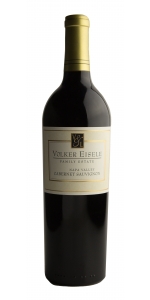
Volker Eisele Cabernet Sauvignon Napa Valley is made from 75% Cabernet Sauvignon, 25% Merlot.
Volker Eisele Family Estate Cabernet Sauvignon is a blend of vineyard blocks from throughout the entire estate. Varying terrain, different clones, and different rootstocks produce a patchwork of flavor identities between the vineyard blocks and their resulting cuvees, brought together in a blend that is essentially a snapshot in time of a dynamic, ever-changing vineyard.
The 2015 Volker Eisele Family Estate Cabernet Sauvignon is a brilliant garnet color in the glass. The nose is extroverted and effusive with bright red aromas of ripe cherries and plums, with a touch of peach and hint of anise and white pepper. In the mouth, the wine shows excellent oak integration, with prominent flavors of juicy huckleberries, milk chocolate, and sweet barrel spices. The lengthy finish carries nutmeg, cinnamon, and vanilla through to the end. ~Molly Lippitt, Winemaker.
-150x300.jpg "Haut-Marbuzet Saint Estephe 2019")
The characteristics of Haut-Marbuzet are mostly defined by its wine-producing methods.
The grapes are harvested once they are very ripe, then destalked. The maceration time is very long. Owner Henri Duboscq remains committed to using traditional materials, like concrete vats. They preserve the natural yeasts of past wines. Henri Duboscq says that he likes the idea that each year, the new yeasts revive the old ones, and the old influence the new.
The Duboscq were among the first to harvest overripe grapes. The wine is then matured in new oak barrels. Here, too, Haut-Marbuzet was among the first to use this production technique. All of these practices complete the characteristics of the terroir. They influence the color of the wine, its structure, its body, and finish.
Henri Duboscq often speaks of his love of unctuous wines, feminine wines that have fine, woody scents, with soft and ripe tannins. From this point of view, the wine of Haut-Marbuzet clearly stands apart from the classical wine of Saint Estèphe which is more virile, austere and astringent.
Tasting notes
Haut-Marbuzet shows a dark and intense color and a delicous bouquet of red and black fruit aromas, violet, pepper and coconut nuances. On the palate, the wine is rich and unctuous, with fine and peppery tannins that support the solid and fresh texture.
Review:
"Black and blue fruit, walnuts, gravy, vanilla, praline and cigar box on the nose. Full-bodied with fine tannins. Balanced, layered and polished with a fleshy texture. Harmonious, with elegance and intensity. Beautiful finish. Wow. Drink from 2025."
- James Suckling (January 2022), 96 pts
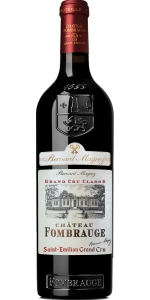
Fombrauge Saint Emilion is made from 96% Merlot and 4% Cabernet Franc.
Château Fombrauge 2020 has a dark red hue, intense fruit aromas and elegant tannins that offer a generous mouthfeel rarely seen in wine so young.
The nose reveals aromas of cherries, blackberries and raspberries, along with spicy notes.
On the palate, the wine i round, soft and silky. Its deep richness, matched with a nice freshness and a long and mellow finish, make it already a great Château Fombrauge, with a long ageing potential.
Chateau Fombrauge Saint-Emilion Grand Cru's food pairing
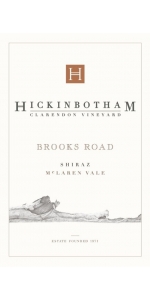
Hickinbotham Brooks Road Shiraz is made from 100 percent Shiraz.
After the hand-picked Shiraz clusters were delivered from high country (210-230 meters) by Viticulturer Michael Lane, the winemaker destemmed and sorted the whole berries into open fermenters. The cold soak was four days, the skins plunged three times daily, and the minimum time on skins was eighteen days. The wine was then basket pressed; its free run and pressings kept separate. To minimize filtration at bottling, three rack-and-returns were conducted over fifteen months as the wine seasoned in a mixture of Burgundy-coopered barrels.
This Shiraz shows the characters this vineyard has displayed since the start, but perhaps in a more elegant, harmonious and balanced form. Its consistency is comforting and reassuring, buttressed by blue and black fruit notes throughout. It is readily enjoyable but has all the structure, acid and tannin to offer decades of rewards from cellaring.
Review:
A rich, succulent mix of dark chocolate, spiced plum, wild blackberry and black licorice notes. Showcases both power and elegance, with chai, cigar box, violets and dried sage notes, velvety and generous, on the long, generous finish. Drink now through 2035. 1,900 cases made, 370 cases imported
-Wine Spectator 95 Points
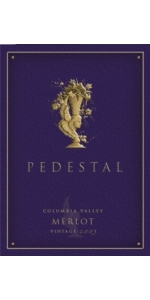
Long Shadows Pedestal Merlot is made from 82% Merlot, 14% Cabernet Sauvignon, and 4% Malbec.
Michel Rolland, Pomerol vintner and consultant to many of the world's top wineries, teamed with Washington State wine visionary Allen Shoup to produce this limited release wine.
With its intense color and inviting aromas of dark berries, licorice, baking spice and a hint of smoke, the Pedestal is a bold wine that leaves a lasting impression. Dark fruit flavors integrated with sweetness from the barrel and richness from the tannins come together seamlessly, lingering across a structured mid-palate and lengthy finish.
Winemaking: Hand-harvested grapes were double-sorted to remove green material that might impart harsh tannins, then most of the lots were cold soaked to build richness and flavor before undergoing whole-berry fermentation in 55L upright French wood tanks. This, combined with gentle pump-overs throughout fermentation, enhanced the wine’s color, texture and mouthfeel. The finished wine was aged 22 months in 85% new French oak barrels.
Review:
Vinous 96 Points
"The 2016 Pedestal Merlot has a precise nose of dusty plum, red flowers and soft oak tones with an elegant aroma of pencil lead fluttering about. The medium to full-bodied palate is clean and correct, with plush dark red fruit, dusty tannins, purple flowers and soft oak spices of vanilla, cardamom and nutmeg. The wine ends with a long, thoughtful, well-balanced finish that delivers complexity and pleasure simultaneously. Michel Rolland made this beauty of a bottle. - Anthony Mueller"
- Robert Parker's Wine Advocate (Issue #246, December 2019), 94 pts
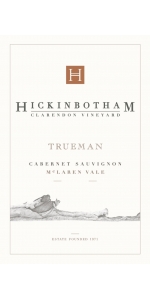
Hickinbotham Trueman Cabernet Sauvignon is made from 100 percent Cabernet Sauvignon.
Trueman represents Cabernet in Clarendon at its best. Its purity, its elegant style, its supple, polished nature ... it’s a wine of its own.Distinct in character, this is not like Cabernet from the Vales below or the hills to the east. From its pretty, delicate florals and musk, through to its silky blackcurrant and kalamata juice and down to its dark carbon soul - Trueman is a modern Cabernet that encapsulates all the toil and antiquity of Clarendon. Echoing the unearthed prose of wine writer Ebenezer Ward from 1886 on theCabernet sown from this very land – Trueman is “an excelled wine, of very marked flavor and bouquet”.
Review:
Deep garnet/purple, the 2012 Cabernet Sauvignon Hickinbotham Vineyard has a classic nose showing pronounced fresh blackcurrant and blackberry highlighted by cloves, menthol, pencil shavings and earth notes. Medium to full-bodied, taut and muscular, the palate has grainy tannins, nice freshness and a long finish.
-Wine Advocate 93 Points
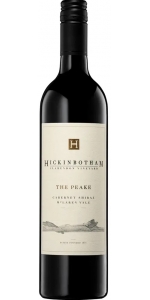
Hickinbotham Peake Cabernet Shiraz is made from 60 percent Cabernet and 40 percent Shiraz.
Named after the late Mr. Edward John Peake who established the first vineyard and orchard at Clarendon circa 1850. Blending Cabernet Sauvignon and Shiraz is a famous part of Australian winemaking history and whilst the individual components of this wine are mighty, the sum of The Peake’s parts is magnificent. The Cabernet shines aromatically with notes of blackberry pie and dark chocolate, while the Shiraz fills the mid-palate with black plum and toasty oak. Fine tannins and balanced acidity contribute to an incredibly long finish. The Peake continues to honor the legacy of this iconic Australian blend.
Review:
Hickinbotham's 2017 The Peake Cabernet Shiraz is a 60-40 blend of the varieties, aged in a healthy proportion of new French oak. As a barrel selection, it stands above the other wines in the lineup, being more complex and complete than either the Brooks Road Shiraz or the Trueman Cabernet. Cassis leads the way, rounded out by ripe cherries and joined by shadings of cedar and vanilla. It's full-bodied and concentrated in the mouth, rich, supple and almost creamy in texture and boasts a long, silky finish. While nearly drinkable already, it should easily age for a decade or more.
-Wine Advocate 96 Points
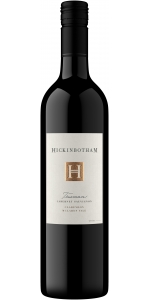
Hickinbotham Trueman Cabernet Sauvignon is made from 100% Cabernet Sauvignon.
The 2019 Trueman Cabernet Sauvignon possesses aromas of mulberry, Asian spices, tapenade, espresso beans and rose petals. The flavours evolve on the palate, with notes of bittersweet chocolate framed by vibrant acidity that gives way to a luxurious mid-palate and persistent finish.
Review:
Dark as night, packed with concentrated aromas of menthol, bay leaf, tobacco, cedar, vanilla and cassis, the 2019 Trueman Cabernet Sauvignon is a rich, powerful Cabernet with notable herbal overtones. Full-bodied, ripe and velvety in texture, it finishes with hints of dark chocolate and scorched coffee. Long and structured, with dusty tannins on the finish, it should age well for at least 10–15 years.
- Robert Parker's Wine Advocate 94 Points
-James Suckling 94 Points
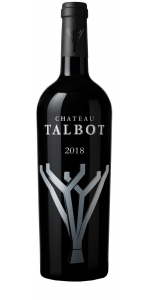
Chateau Talbot Saint-Julien Grand Cru Classe is made from 69 % Cabernet Sauvignon, 26 % Merlot, 5 % Petit Verdot.
The wine presents a delicate and captivating nose of black fruits, fresh tobacco, peppermint and floral nuances. Ripe and juicy fruit flavors of black currants on the palate with well integrated velvety tannins and a beautiful refreshing acidity to the long finish.
For the 2018 vintage, a special packaging with a unique silkscreen printing bottle was created to mark the 100th anniversary of the Cordier Family's acquisition of Chateau Talbot
Pair with red meat, roast pork, game meat, poultry, hard cheeses, poached pear.
"Rich aromas of blackcurrant, blackberry, chocolate, tobacco and licorice. Oyster shell, too. It’s full-bodied with firm, well integrated tannins. Polished, silky layers with a long finish. Gorgeous ripe and bright fruit in the center palate. Best in a long time. Try from 2025."
Pierinvaletta Arneis Langhe Hills is made from 100% Arneis
No oak. Aged on the lees for 4 months in Stainless Steel Tan
Fresh, fruity, mineral.
Pierin Valetta is one of the ancestor of the Family and these wines are dedicated to him as we would like to thank him for giving us vineyards that reach up to 70 years old.
Made from 20 years old vines planted on Limestone soils.
No Oak. The wine was aged on the lees for 4 months in Stainless Steel Tanks.
Wine was slightly filtered before bottling.
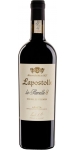
La Parcelle 8 Cabernet Sauvignon presents bold and complex aromas of black fruits, chocolate, and toast alongside earthy, herbal, and floral notes. On the palate, it displays a full body, ripe tannins, and a lasting finish.
La Parcelle 8 Cabernet Sauvignon pairs well with roasted lamb, braised short ribs, mushrooms, or fine cheeses.
Review:
Complex and intense with a rare mineral quality for the hot 2020 vintage. Fresh blueberries, wild herbs, hot stones and graphite. A hint of violet. Tannins are quite chalky and tense on the medium- to full-bodied palate. Extremely long with an ethereal finish. It goes on and on, lasting for two minutes. Effortless intensity and concentration, but almost weightless. This delivers exceptional freshness for this vintage. Harvested from 18th March. Already drinkable now, but it will last. 100% century-old, ungrafted cabernet sauvignon.
-James Suckling 99 Points