" We don't sell the wine without touching the vine "
| Country: | Spain |
| Region: | Rioja |
| Winery: | Vinos de Finca |
| Grape Type: | Tempranillo |
| Organic: | Yes |
| Vintage: | 2024 |
| Bottle Size: | 750 ml |

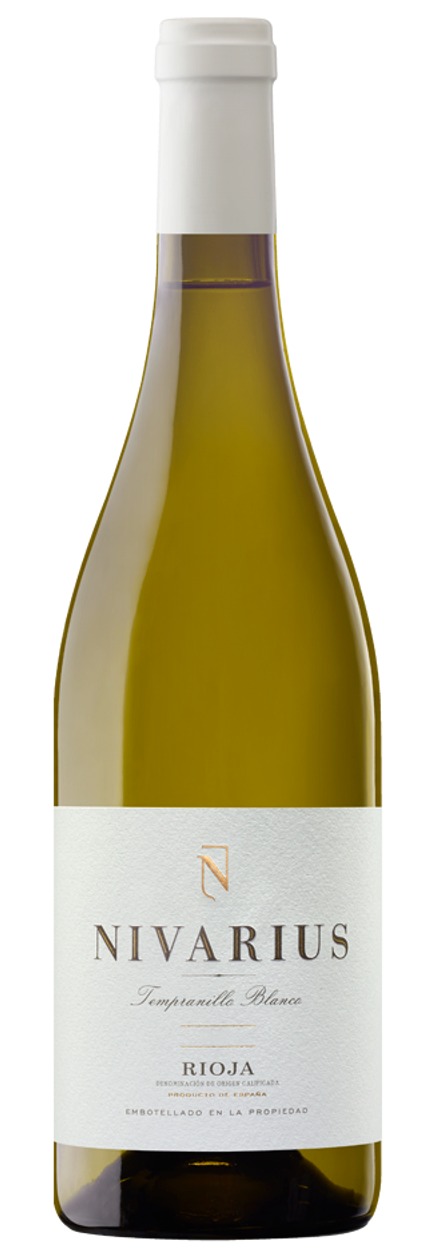
Nivarius Rioja Tempranillo Blanco is made from 100% Tempranillo Blanco.
"Nivarius" is a Latin term that defines the natural well where the snow was kept all year round. Nivarius wines benefit from altitudes above 700 meters, a northern orientation and the influence of the continental climate that make wines of character, fresh, with natural acidity. They are produced with minimal intervention and respect for biodiversity to reflect the expression of the terroir.
Nivarius is a 100% Tempranillo Blanco from vineyards in Albelda de Iregua and Montes de Clavijo, at an elevation of over 700 meters, resulting in a fresh, unctuous and perfectly ripe wine that is both lively and pleasant to drink.
Straw-yellow in color with a greenish rim. Good intensity on the nose, hints of pome and stone fruits accompanied by subtle aromas of white flowers and minerals. Fresh and well-balanced on the palate with stone fruit flavors, dry fruits, and a long finish.

Burgo Viejo Rioja Blanco Organic is made from 60% Viura and 40% Trempranillo Blanco
No Oak. Aged 3 months on the lees with frequent batonnage
Pale yellow color with green tones. Fresh and intense flavors of white fruits, peach, apple and some citrus notes.
Full-bodied mouth with nice balance of volume and length.
Vineyards are located in Alfaro.
Manual harvest in 8 kilograms baskets.
100% destemmed.
Light pressing of the grapes.
Fermentation at controlled temperature in stainless steel tanks.
No Malolactic fermentation.
Aged 3 months on the lees with frequent batonnage. (stirring of the lees)
Pairs with seafood, pasta and rice dishes, smooth cheeses.
Review:
-James Suckling 90 Points

Luis Canas Rioja Blanco Vina Viejas is made from 90% Viura and 10% Malvasia from 60+ year-old vines, barrel-fermented for three and a half months in new French oak.
Grapes are harvested into small crates and sorted by hand, bunch by bunch. Beautiful golden yellow with bright, luminous highlights; the nose is fine and elegant, weaving floral and fruity tones. The palate is dry, with crisp acidity that lends freshness and vivacity and a structured, tasty finish of ripe fruit. Best served at 8°C.
Pairs with shellfish, crustaceans and grilled white fish or fish stews, and also with rice dishes, soft and blue cheeses, all kinds of mushrooms, and fresh fruit.
Review:
-James Suckling 93 Points

Proelio Puerto Rubio Rioja Tempranillo 2019 is 100% Tempranillo.
Sourced from a vineyard at 505 metres above sea level in San Vicente de la Sonsierra, the wine takes its name from the site it is located on. The soils are primarily composed of depleted limestone in the subsoil and pebbles on the topsoil. These types of soils offer long-ageing capacity, freshness, volume and structured wines.
Fresh, structured and complex, this wine is very aromatic, with intense aromas of wild black fruits, accompanied by deep balsamic aromas and licorice. A silky texture and mineral notes, it is round, powerful and polished on the palate with flavors of black fruits, prunes, balsamic and spice. A long and persistent finish.
Meat and game, either grilled, baked or stewed, pastes, creams and soups, all kind of meat recipes, roast lamb.
Review:
This is a spicy Rioja with aromas of mulberries, spiced cherries, cinnamon stick, licorice and dill. Turns to walnuts and roasted chestnuts. Chewy and full-bodied, with firm yet polished tannins. Well structured, deep and persistent. Drink from 2024.
-James Suckling 94 Points

Montebuena Blanco is made from 80% Viura and 20% Tempranillo Blanco.
What truly sets Montebuena apart is its unique position where the Ebro river is closest to the Sierra Cantabria mountains, creating a blend of Mediterranean and Continental climates that prevents an excess of rain and extreme cold. In addition, the shallow, calcareous soil limits the yield of the harvest and the size of the grapes while increasing the volume of the skins, resulting in deeper color and a greater concentration of flavor.
Montebuena Blanco is straw yellow colored, translucent with greyish hues at the edges. Dominant white fruit aromas of apple and ripe banana on the nose with citrus notes in the background. Fresh and intense on the palate, although the acidity gradually smoothes out as the wine passes through the mouth and gives way to sweetness combined with a slightly bitter note and silky feel that balances the first sensation.
Fresh salads and vegetables, grilled fish, young cheeses, seafood and shellfish.

Importer Sale!
Produced from 100% Tempranillo grapes, which are hand harvested from the Montebuena vineyard.
Brilliant deep ruby red color, fruity aromas .
Montebuena Red has a spicy vanilla bouquet and is smooth and fruity in the mouth with some well-integrated secondary nuances, full-flavored and a persistent pleasant finish. Pairs well with beef & lamb dishes, stews & cheeses.
Review:
-The Wine Know Log 90 Points
Nivarius Rioja Tempranillo Blanco is made from 100% Tempranillo Blanco.
"Nivarius" is a Latin term that defines the natural well where the snow was kept all year round. Nivarius wines benefit from altitudes above 700 meters, a northern orientation and the influence of the continental climate that make wines of character, fresh, with natural acidity. They are produced with minimal intervention and respectful of the biodiversity to reflect the expression of the terroir.
Nivarius is a 100% Tempranillo Blanco from vineyards in Albelda de Iregua and Montes de Clavijo, at an elevation of over 700 meters, resulting in a fresh, unctuous and perfectly ripe wine that is both lively and pleasant to drink.
Straw-yellow in color with a with greenish rim. Good intensity on the nose, hints of pome and stone fruits accompanied by subtle aromas of white flowers and minerals. Fresh and well-balanced on the palate with stone fruit flavors, dry fruits, and a long finish.
Palacios Vinos de Finca is the reflection of Javier Palacios, born from his heart, vision, talent, and land. During a trip to Burgundy Javier discovered a way of working the land that he wanted to transfer to his own project. This agricultural vocation of pampering historical vineyards and making unique and recognizable wines with their fruits, inspired the work of the whole team.
The winery collaborates with two great wine personalities: Pedro Parra y Alberto Antonini. Pedro Parra is one of the world's leading experts on terroir, calling himself a "terroirist". Antonini brings wines of uniqueness, looking for drinkable and understandable wine profiles, direct and connected to the earth. The oenologist is committed to making wines that convey the places from which they come, above and beyond commercial products: "We seek the texture, the magical combination of land, climate and variety that gives our wines their finesse, energy and vitality".
The obsession with the territory is expressed in Palacio Vinos de Finca's wineries in Ribera del Duero and Rioja, two regions where sustainable viticulture is used and where the vocation for wines linked to origin is at the heart of everything.
The properties are located at altitudes of around 750 metres in Albelda de Iregua and Nalda, 650 metres in Badarán and between 480 and 550 metres in Briones and San Asensio, forming a mosaic of territories that provide a perfect setting for the production of wines from La Rioja. The altitude is also one of the most important parameters in Ribera del Duero, seeking a fresher expression of fine red wine and balanced maturation. Micro plots found in estates such as Moradillo, Roa, Peñaranda or Baños de Valdearados.

Jean-Michel Sorbe Quincy Blanc is made from 100 percent Sauvingon Blanc.
The first nose is expressive and opens up to notes of acacia, citrus (lemon, grapefruit). Full on the palate with lovely freshness. This wine boasts nice balance and good length.
The vines are 15 to 20 years old and are located on the left bank of the Cher River, southwest of Quincy. This vineyard enjoys good exposure to the sun and overlies hillocks composed of sandy alluvial deposits and gravel dating back to the Quaternary Period. Each terroir is managed with minimal intervention in an environmentally friendly approach. Vinification: Slow pressing. Fermentation took place under controlled temperatures (18°C).The wine was aged on fine lees for a minimum of 4 months. It was filtered only once before being bottled.
Pair with crustaceans, asparagus, or goat's cheeses.
After pouring, allow the wine to breathe for a few moments in the glass before enjoying so that it may fully release all of its aromas.

G.D. Vajra Barolo Coste di Rose is made from 100 percent Nebbiolo.
The Coste di Rose is a very seductive wine right out of the gate. Cherries and roses burst on the nose, with hints of amarena, red hard candy, wild berries, wet stone, mint and thyme. The palate is radiant and expressive, with all of the signature elements of Coste di Rose in nice evi-dence: the ethereal character, the saline, up-front tannic structure, and further whiffles of roses and cherries in the finish.
G.D. Vajra is one of Barolo's most beloved family estates, farming organically in La Morra since the early 1970s and known for fragrant, high-toned, transparent Nebbiolo. Coste di Rose is one of the highest and coolest crus in Barolo, its sandy, well-draining soils yielding especially perfumed and graceful wines; the 2022 is a touch more structured and powerful than most.
Review:
Floral, as is typical of this estate, with crunchy red fruit and rose petals. The palate is medium-bodied, with a blanket of delicate, tender fruit defined by chalky, precise yet silky tannins. Drinkable now with proper aeration, but will improve with some bottle age.
James Suckling, 96 points
-Monica Larner (Robert Parker) 95 Points