
" We don't sell the wine without touching the vine "
| BUY MORE! SAVE MORE! | ||||||||||||||||||||
|
| Country: | United States |
| Region: | Oregon |
| Winery: | Holocene Wines |
| Grape Type: | Pinot Noir |
| Vintage: | 2023 |
| Bottle Size: | 750 ml |
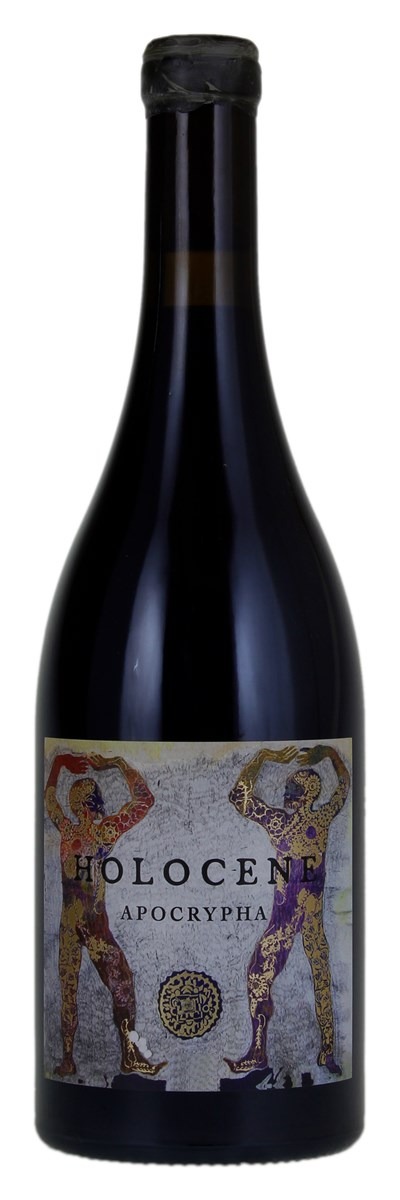
Holocene Apocrypha Pinot Noir is made from 100 percent Pinot Noir.
Apocrypha Pinot Noir tends to showcase the blue and black end of the fruit spectrum, along with a brambly, floral, dried sage and thyme profile, higher acid than the Memorialis and more power.
We tend to enjoy this wine with lamb merguez sausage and saffron rice.
Review:
The outstanding 2023 ‘Apocrypha’ was aged for 9 months in 25% new French oak and saw100% whole cluster fermentation. This is lush, round and rich on the mouth with serious texture, tannin and mouthfeel. Dense red and dark fruits collide with salty minerals and volcanic stony accents on the palate. A stunning wine that is already drinking well, enjoy over the next fifteen plus years to come.
Owen Bargreen 94 Points
By now, everyone knows that the Willamette Valley is an amazing place to grow Pinot Noir. When Todd Alexander relocated from Napa Valley to partner up with Force Majeure Vineyards, he knew he also wanted to start a project where he could focus attention on a varietal and growing region that he loved. Part of the excitement of being in the Pacific Northwest is the ability to have access to so many amazing vineyards and so much diversity, along with the opportunity to push boundaries and try new things – something that is becoming increasingly difficult in other growing regions.
He partners up with a few very small, diverse and amazing vineyards in the Willamette Valley, sourcing fruit from these dry-farmed sites that emphasize low yields, sustainable practices and produce outstanding fruit.
The wines are crafted in the same way Todd has been making wine since he was carrying it out at Bryant Family Vineyard in the Napa Valley — utilizing very low-impact, non-industrial techniques, native yeasts, little extraction and little new oak, and never filtering or fining. This allows a real sense of place to show through in the wines that is often dimmed when too much manipulation is undertaken.
The first vintage was 2015, and was released in early 2017.
Review:
"I continue to love these Pinot Noirs under Todd Alexander’s Holocene label. While they’re not from Washington State, I was able to taste these during my visit with Force Majeure (which are also made by Todd) and I’m thrilled to be able to include them here." - Jeb Dunnuck (April 2020)
Holocene Apocrypha Pinot Noir is made from 100 percent Pinot Noir.
Apocrypha Pinot Noir tends to showcase the blue and black end of the fruit spectrum, along with a brambly, floral, dried sage and thyme profile, higher acid than the Memorialis and more power.
We tend to enjoy this wine with lamb merguez sausage and saffron rice.
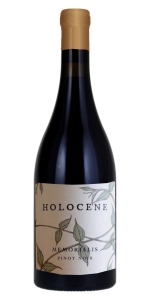
Holocene Memorialis Pinot Noir is made from 100 percent Pinot Noir.
Holocene Pinot Noir Memorialis is a blend of 777, Pommard and 115 clones from MonksGate vineyard in the Yamhill-Carlton AVA, and it saw about 20% new French oak for 16 months prior to bottling. It is always the lighter and more feminine of the two Holocene wines, with red fruits, white flowers, dried herbs, mushroom and forest floor aromatics, bright acidity and a lithe texture, long finish.
By now, everyone knows that the Willamette Valley is an amazing place to grow Pinot Noir. When I relocated from Napa Valley to partner up with Force Majeure Vineyards, I knew I also wanted to start a project where I could focus attention on a varietal and growing region that I loved. Part of the excitement of being in the Pacific Northwest is the ability to have access to so many amazing vineyards and so much diversity, along with the opportunity to push boundaries and try new things – something that is becoming increasingly difficult in other growing regions.
We partner up with a few very small, diverse and amazing vineyards in the Willamette Valley, sourcing fruit from these dry-farmed sites that emphasize low yields, sustainable practices and produce outstanding fruit.
The wines are crafted in the same way I have been making wine since I was carrying it out at Bryant Family Vineyard in the Napa Valley — utilizing very low-impact, non-industrial techniques, native yeasts, little extraction and little new oak, and never filtering or fining. This allows a real sense of place to show through in the wines that is often dimmed when too much manipulation is undertaken.
Our first vintage was 2015, and was released in early 2017. As production is currently extremely small, the best way to get the wines into your hands is to join our mailing list at the “Mailing List” link above to receive an allocation when we have a release. We release wines once per year, and they will be sold on a first come, first served basis, shipped straight to your door.
Review:
"A Bing cherry aroma slinks its way up from the glass, followed by spicy whispers of cardamom and cinnamon. Straw and chalkboard dust scents seal the deal. After a tannic black tea note materializes on the palate, the wine's cranberry and raspberry flavors punch the tart button. You can feel the tannins, but they aren't grippy. The acidity, however, lets you know it is ready for juicy business. Memorialis is quietly becoming one of Oregon's best Pinot Noirs. — Michael ALBERTYS"
- - Wine Enthusiast (October 1st 2025), 98 pts & Editor's Choice
Holocene Sidereal Pinot Noir is made from 100 percent Pinot Noir.
The word sidereal means relating to the stars, particularly when measuring time or astronomical events. Which is weird for an earthly delight of a wine that makes time stand still while you attempt to decipher a vast array of aromas ranging from blackcap raspberries and cherry blossoms to wet slate and moon dust. Blackberries rule on the palate, with Assam tea, bay leaf and black pepper flavors easing along a lithe and nimble mouthfeel. Sidereal is also balance personified
Holocene Memorialis Pinot Noir is made from 100 percent Pinot Noir.
Holocene Pinot Noir Memorialis is a blend of 777, Pommard and 115 clones from MonksGate vineyard in the Yamhill-Carlton AVA, and it saw about 20% new French oak for 16 months prior to bottling. It is always the lighter and more feminine of the two Holocene wines, with red fruits, white flowers, dried herbs, mushroom and forest floor aromatics, bright acidity and a lithe texture, long finish.
By now, everyone knows that the Willamette Valley is an amazing place to grow Pinot Noir. When I relocated from Napa Valley to partner up with Force Majeure Vineyards, I knew I also wanted to start a project where I could focus attention on a varietal and growing region that I loved. Part of the excitement of being in the Pacific Northwest is the ability to have access to so many amazing vineyards and so much diversity, along with the opportunity to push boundaries and try new things – something that is becoming increasingly difficult in other growing regions.
We partner up with a few very small, diverse and amazing vineyards in the Willamette Valley, sourcing fruit from these dry-farmed sites that emphasize low yields, sustainable practices and produce outstanding fruit.
The wines are crafted in the same way I have been making wine since I was carrying it out at Bryant Family Vineyard in the Napa Valley — utilizing very low-impact, non-industrial techniques, native yeasts, little extraction and little new oak, and never filtering or fining. This allows a real sense of place to show through in the wines that is often dimmed when too much manipulation is undertaken.
Our first vintage was 2015, and was released in early 2017. As production is currently extremely small, the best way to get the wines into your hands is to join our mailing list at the “Mailing List” link above to receive an allocation when we have a release. We release wines once per year, and they will be sold on a first come, first served basis, shipped straight to your door.
Review:
The 2021 Pinot Noir Memorialis is more complete and layered, with beautiful ripe cherry and redcurrant fruit as well as spice box, dried, smoky herbs, and savory flower-like aromas and flavors. Textured, medium to full-bodied, and balanced, it has the fruit and texture to shine even today yet the density and structure to evolve for 10-12 years as well.
- Jeb Dunnuck 95 Points
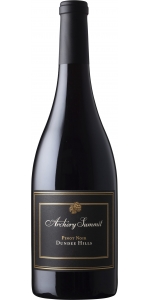
Archery Summit Estate Pinot Noir Dundee Hills is made from 100 percent Pinot Noir.
Archery Summit Dundee Hills Pinot Noir touts all the hallmarks of this storied appellation. It begins with hints of ripe plum skin, ocean air, baking spices, and cocoa powder dustiness on the nose. The palate is just as expressive, with fresh, juicy red fruit backed by graceful tannins, a complex brininess, and a mouth-watering acidity. Finishing with spiced oak and a mouth-coating basalt minerality, this wine is great now and will be for years to come.
The Dundee Hills Pinot Noir touts all the hallmarks of Archery Summit's storied appellation. It begins with brambleberry, ripe rainier cherry, blackberry blossoms, cocoa powder, and spice on the nose. The palate is just as lively, with fresh, juicy red fruit backed by graceful tannins and acid. Finishing with spiced oak and a mouth-coating minerality, this wine is a case study in the magic of the Dundee Hills.
Yet, thanks to water reserves in the soil itself and some timely viticultural movements, the vineyards persevered through the heat and water limitations. The dryer season accelerated picking times, making the fruit ripen a bit earlier than normal. September rewarded us with cool nights and the lower-than average yields set us up to make wines with abundant character, intensity and balance. The winery is so grateful for the moisture-abundant, microbially-rich and chemical-free soils that lovingly nudged the vines towards the finish line.
Review:
Expressive and sleekly built, with floral raspberry and cherry flavors laced with cinnamon and dusky spices. Finishes with medium-grained tannins. Drink now through 2032.
-Wine Spectator 92 Points
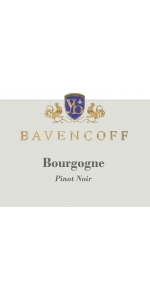
Bavencoff Bourgogne Pinot Noir is made from 100 percent Pinot Noir.
Color of medium intensity, purplish in its youth at present, changing to ruby then garnet, after several years in the bottle.
The nose offers intense aromas of cherries, kirsch and fresh strawberry. The palate is the perfectly balanced between round tannins and an elegant freshness. It is harmonious and medium-bodied with a silky and elegant texture and a delicious lingering finish.
Alcoholic fermentation in stainless tanks for 3 weeks. Malolactic fermentation : 80% in stainless tank and 20% in one year old casks (Allier).Manual harvest.
Produced from 100% Pinot Noir planted on clay and limestone soils.
Grilled or boiled red meats, roasts, mild game, soft cheeses like Camembert and Brie.
Quattro Theory Chardonnay Napa Valley is made from 100 percent Chardonnay.
VISION: Working with cool-climate fruit, Landon achieves a Napa Valley Chardonnay that is more traditional in style with balanced acidity, minimal oak and non-malolactic fermentation to highlight a full range of varietal fruit expression, taking inspiration from the coastal Chardonnays of Sonoma County.
VINEYARDS: The grapes for this Chardonnay are sourced from two vineyards: three blocks in our estate Vista Montone Vineyard located just east of Carneros, and Frasamani, a long-term grower partner vineyard located in the southernmost part of Carneros. These sites were selected for the variety of vineyard aspects (N, NE) and various vine age, soils and clones, which offer a complex palette of aromas, flavors and textures. The grapes are harvested by hand at night in small lots over a few weeks, picked when perfectly poised to achieve the vision for our wine style. GROWING SEASON: 2022 brought dry conditions given the persisting drought. Harvest started earlier given the warm temperatures with the fruit showcasing balanced acidity and freshness with remarkable flavors and textures. Even though yields were down, quality was excellent.
WINEMAKING: Our cellar is set up to handle each lot individually through the winemaking process, with every step intentionally designed to emphasize the natural aromatic and varietal character with minimal intervention. Each pick is whole-cluster pressed over two hours, with 23 check ins to ensure desired style— a gentle, yet labor-intensive program to help retain natural acidity and to isolate the exact desired press of juice. The juice is gently pumped to stainless-steel tanks then chilled to undergo cold stabulation for 5 days, keeping the light juice lees in suspension to enhance aromatics. The juice is then racked off the lees to each vessel and individually inoculated to begin a cold fermentation to completely dry, and then rests on the lees (yeast) for 6 months for a final build of body and flavors before the blend is assembled.
EXPERIENCE: With its expressive flavors and restrained oak presence, this Chardonnay offers the balance, structure and complexity to make it a perfect white wine option to go with food or enjoyed on its own. This wine’s range of fruit flavors includes crisp Asian pear, to stone fruit to tropical fruit. Suggested pairings include pan-seared scallops, butternut squash ravioli and mushroom and mozzarella pizza.
Review:
Bright, fresh green apples in the nose and tangy, appetizing lemon zest and kiwis on the palate give this lively wine a palate-cleansing expression that will be fantastic for pairing with fish, shellfish and poultry.
-Wine Enthusiast 93 Points
The nose of our the Cabernet Sauvignon shows remarkable purity, opening with juicy fruit-punch and layered notes of blue and red fruit dried with sweet herbs. The palate builds with blackberry pie filling, baker’s chocolate, and freshly ground coffee, underscored by an earthiness of loam and underbrush. Acidity is finely tuned, carrying structure through the middle and sides of the wine. For those who can wait, cellar this bottle for several years. For those who cannot, double decant 4–5 hours before serving and let the wine come fully alive.
Blackberry pie filling, baker’s chocolate, freshly ground coffee, earthy loam and underbrush, red and blue fruit dried with sweet herbs
Review:
"How do you do Cabernet the Donelan way—and do it in Sonoma? The answer began with archetyping older styles of Cabernet. The vineyard lies near Skipstone, encompassing sites such as T-T Vineyard, Obsidian, and Constant on Diamond Mountain. For Joe Donelan, the goal was to craft a Cabernet reminiscent of what Mondavi was producing in the 1970s and early 1980s—wines defined by freshness, clarity, and balance rather than sheer weight. The result is vivid, bright, and pure-fruited, with an immediate freshness factor. Red berry fruit, cherry, and cassis lead the way, framed by a medium-bodied structure with velvety-textured tannins and a creamy mid-palate that makes the wine deeply engaging and remarkably easy to drink. Sagebrush and black olive notes lend savoury complexity, joined by subtle hints of tobacco, all carrying through to a long, mineral-driven, fruit-focused finish. - Jonathan CRISTALDI"
Decanter (January 5th 2026), 97 points



