
" We don't sell the wine without touching the vine "
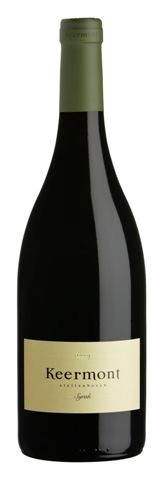
| Country: | South Africa |
| Region: | Stellenbosch |
| Winery: | Keermont Vineyards |
| Grape Type: | Syrah |
| Organic: | Yes |
| Vintage: | 2017 |
| Bottle Size: | 750 ml |

Named after the French word for Crow, or Raven, this Syrah is certainly as dark as the name implies. Hailing from Discovery Vineyard, perched high above the Columbia River in the heart of the Horse Heaven Hills, these grapes were grown in a very unique terroir. Avennia's approach of old-world style, minimalist winemaking allows for full expression of the fruit, showcasing the elegant and savory side of Syrah.
"Leads with a nice balance of dark fruits—blackberry and blueberry—with more savory elements, including blackberry leaf, olive, charcuterie, and a hint of shiitake. The palate features snappy fresh black fruits, a hint of smoked meat, and a lively finish with plenty of savory elements that make this wine quite interesting. Give it a year in the cellar and enjoy over the next eight years or so." - Chris Peterson, Winemaker
Reviews:
"Aromas of blackberry and violet accented by a note of stems. Sweet, supple wine with dark fruit flavors lifted by a black-peppery topnote and accented by cinnamony Red Hots. For all its high notes, this is essentially a creamy wine with no edges. I suspect it will tighten up in bottle and eventually display a more savory aspect. Incidentally, this will be the last vintage for this bottling because, beginning with vintage 2018, Chris Peterson will introduce some new single-vineyard Syrahs from the exciting new WeatherEye vineyard on top of Red Mountain. This steep site, owned by Cameron Myhrvold and farmed by Ryan Johnson, extends over the ridgeline and onto the northern flank of Red Mountain. The project is called Red Mountain Elevated, and Peterson is making the wines. (14.5% alcohol; done mostly in puncheons; vinified with 10% stems) - Stephen Tanzer”
- Antonio Galloni's Vinous (December 2019), 92 pts
"The last vintage for this cuvée, the 2017 Syrah Le Corbeau Discovery Vineyard is similar in style to the Arnaut yet offers slightly more floral notes in its blue fruits, wild strawberry, violets, rose petal, and sappy, forest floor aromas and flavors. Medium-bodied, with bright acidity and good balance, it’s a beautiful Syrah that leans heavily toward the fresh, elegant end of the spectrum while still offering tons of character and pleasure.”
- Jeb Dunnuck (April 2019), 92-94 pts

Kershaw Syrah Deconstructed Lake District Cartref SH22 is made from 100 percent Syrah.
The inspiration for this Syrah stems from my belief that the Elgin region has both a signature grape as well as particular terroirs within its demarcated boundary that reflect regional credentials. This Syrah was selected from a sub-region of Elgin from a specific vineyard and an individual clone.
Sourced from a single parcel in the Western part of Elgin, the 22 clone produces fuller, well-colored yet finely structured wines. They tend to be more concentrated as yields are low with more black fruit, black pepper and meaty notes. The Cartref soils, a mixture of decomposed sandstone, pebbles and quartz, add gracefulness and heighten the fruit intensity.
The grapes were handpicked under autumnal skies into small lug baskets and then manually sorted on a conveyor before the stems were removed. The destemmed berries fell onto a vibrating table in order to remove jacks and substandard berries before dropping uncrushed into a small 500kg conical hopper and forklifted into open-topped fermenters. The grapes underwent a 3-day maceration before spontaneous fermentation began. A gentle pigeage (punch-down of the cap) program was charted and the grapes remained on skins for 26 days. The wine was then racked to barrel under gravity and the remaining pomace basket-pressed. Malolactic then proceeded in barrel followed by a light sulfuring and 17-month maturation. No finings were necessary and the wine was simply racked and bottled unfiltered.
Review:
"The 2017 Kershaw Deconstructed Lake District Cartref SH22, matured 50% in new oak for 17 months, is a little more open on the nose compared to the SH9c and delivers a touch more red berry fruit, quite candied in style and suggesting strawberry pastilles. The palate is medium-bodied with a saline entry, fine definition and a mélange of red and black fruit laced with licorice toward the poised finish. Excellent.- Neal Martin"
- Antonio Galloni's Vinous (April 2021), 93 pts

Cassis, blackberry and cherry. White pepper, ground herbs and the strong floral perfume of crushed violets. Light and elegant, but structured with fresh acidity.
40% Whole bunch ferment in small open vats. 60% destemmed and fermented in a 5000 ltr wooden fermenter with gentle pigeage (punch down of the cap) throughout. Pressed in a traditonal wooden basket press and racked into a 3000 litre oak vat for 9 months.
"The 2017 Syrah comes from Elgin and Greyton and includes 40% whole-bunch fruit aged in 500- and 700-liter barrels (30% new). It has a gorgeous bouquet of raspberry, pomegranate, burning embers and crushed violet aromas that seem to give the olfactory senses a big hug. The palate is quite brilliantly balanced, the fine tannins framing vivid brambly red and black fruit laced with cracked black pepper, dessicated orange peel, clove and an undercurrent of garrigue that becomes more prominent on the persistent finish. A fabulous Syrah from proprietor and winemaker Samantha O’Keefe. - Neal Martin"
- Antonio Galloni's Vinous (November 2019), 95 pts

Domaine du Colombier Hermitage Rouge is made from 100 percent Syrah.
Perfect with beef ribs, grilled meats and cheese.
Manually harvested with destemmed grapes and fermented for about 2 to 3 weeks in temperature controlled vats, with an ageing period of 12 months, 65% in oak barrels and 35% in concrete tanks.
Review:
Brought up in 30% new demi-muids, with the balance in used barrels, the 2017 Hermitage is beautifully pure and layered, with smoking good notes of crème de cassis, white flowers, crushed rocks, and violets. Deep, full-bodied, and concentrated on the palate, it has plenty of tannins and is going to need 5-7 years of bottle age. This is a sensational Hermitage from Colombier that will drink well for 25+ years.
These wines are made by the talented Florent Viale and shine for their purity as well as character. While the winemaking here is traditional, with the wines destemmed and brought up mostly in used demi-muids, the purity of fruit can give the impression that wines are more modern styled than they are. They will all benefit from short-term cellaring.
-Jeb Dunnuck 96+ Points

Obsidian Vineyard Syrah is bathed in terroir. The vines experience severe stress, pushing the roots ever deeper through rock in search of water, producing miniature clusters of intense power. Given the wine’s natural propensity for tannin, we take extreme care in the cellar to chisel/whittle its rough edges and leave room for richness to flatter its distinctive scaffold. The mid-palate supports flavors of roasted coffee beans, sarsaparilla, and dark chocolate. The finish marches on long after most wines have tired.
Our estate vineyard — the six-acre Obsidian Vineyard in the Knights Valley AVA — has an incredibly complex soil structure. It takes its name from a layer of volcanic obsidian rock that was discovered when we drilled for water.
Chocolate ganache, black currants, fig, graphite, and an expansive mouthfeel.
Review:
"Joe Donelan believes his Obsidian Vineyard is one of the world’s greatest sites for Syrah. I’ve visited the site twice, and can say candidly it certainly sits among the most striking vineyards I've ever laid eyes on within the U.S. It sits like a rock on a promontory—two switchbacks to reach the top—and the stones under the top soil, quite literally, never stop emerging from the ground. The place has an ancient, almost sacred, temple-like feel. It is consistently swept by afternoon breezes. The vineyard was replanted in 2017 after fires ravaged it. Winemaker David Milner laid out the site at denser spacing than before, at 2,000 vines per acre to keep yields per vine low while still achieving sensible tonnage, averaging around three tonnes per acre. Viognier was planted for co-fermentations, alongside some Cabernet Sauvignon, for a single vineyard bottling of that grape. ‘God put on his viticultural hat when he designed this site,’ says Milner. The vineyard is planted with ENTA 174, 877, and Alban 1 clones, along with Donelan Heritage selections certified virus-free. The wine, the 2023 vintage release (the first from the new vines), was aged for 21 months in 36% new oak and co-fermented with 1.8% Viognier, using 32% whole clusters. And it is positively gorgeous: composed of nine different blocks, each fermented separately, then assembled through sequential blending, with no racking until bottling. From just five-year-old vines, this wine is utterly extraordinary—something oddly achievable from young vines on rare occasion. I tasted this wine from the same bottle over three days. While the high-toned espresso-bean and cedar accents are present at first pull of the cork, they mellow out a day later, and the fruit profile is so vibrant. This is the sign of an excellent wine. I first tasted wines from the Donelan’s Obsidian Vineyard years ago at Tasting Panel Magazine in the late, great Anthony Dias Blue’s office. Cushing Donelan showed the wines, and to this day, I recall the first moment I put my nose into a glass of Obsidian Syrah. In early January of 2026, as I nosed this brand new release of Obsidian Syrah, I was transported straight back to that tasting twelve years ago. What’s remarkable is that the aromatics are unmistakably the same, yet from these new, more densely planted vines, the aromas are more refined—precision-farmed wines from young vines delivering a level of detail and poise that feels beyond their years. So what’s in the glass? Pure red, black, and blue fruit nuances layered with tobacco, white truffle character, violet pastille, and an intoxicating perfume. White pepper notes emerge on the medium- to full-bodied palate, framed by velvety tannins. Iron-like and crushed slate minerality underpins dazzling black cherry and blackberry fruit, brown spices, and blood orange richness. There’s a velvety, iron-fist quality here that exudes polish, complexity, and undeniable quality. You want to drink it now—and you absolutely can—but it will also reward time in the cellar. Either way, you’ll be utterly wowed. And when you realise the price is under £100, the achievement becomes even more staggering. As these vines mature, what will become of them in subsequent vintages? I suspect that as the vines mature, they'll go in and out of phases, but so long as Mother Nature cooperates, I expect this wine to continue to dazzle each vintage. - Jonathan CRISTALDI"
Decanter (January 5th 2026), 100 points
This is the first vintage of the Obsidian Syrah after wildfires torched the vineyard in 2017, leading to significant redevelopment. Throughout all those years, the Donelans have exhibited remarkable patience and a clear sense of purpose. This is their reward: a truly magnificent, towering wine of the highest level.
Knights Valley is one of the most magical grape-growing districts in the United States, but it is not very well known because only a few estate wineries are located there.
The 2023 Syria Obsidian Estate is one of the most profound, moving wines I have tasted in Sonoma County. Blackberry, gravel, incense, chocolate, lavender, and dried herbs race out of the glass. Delicate yet powerful, the 2023 is spectacular. It is also very fairly priced in today’s market.
Vinous 100 Points

Grand Veneur Chateauneuf Du Pape Vieilles Vignes is made from 50% Grenache, 40% Mourvedre, 10% Syrah
Matured in concrete vats (40%) and oak casks (60%)
It boasts an inky/purple color in addition to a gorgeous perfume of crushed rocks, jammy black fruits, charcoal and graphite. Blackberry aroma with an air of dates pressed in alongside – this is sweet-noted. It is easy to appreciate, a sleek and stylish start. The palate holds excellent fruit that runs well and has kick. Its tannins move round freely and a minted finale comes forward. Its dark fruit is tasty, darkens on the finish, where tar and char from its oak enter. It is all very much together, a bundle of harmony, and will gain local attributes as it ages.
An outstanding Chateauneuf du Pape which display the best of its terroir.
The vines are 50 to 100+ year old. They are planted on red clay soils covered with pebble stones.
Harvest is destemmed and crushed. Fermentation temperature is controlled at 30°C. Vatting period of 18 to 20 days. Matured in concrete vats (40%) and oak casks (60%).
The vineyards are located in the north of Châteauneuf du Pape. GRAND VENEUR «Vieilles Vignes» cuvee is produced from the older vines. Thanks to time and an organic growing, roots go very deep in the soil. Yields are naturally low and grapes highly concentrated.
The vines are 50 to 100+ year old. They are planted on red clay soils covered with pebble stones.
Winemaking and aging
Harvest is destemmed and crushed. Fermentation temperature is controlled at 30°C. Vatting period of 18 to 20 days. Matured in concrete vats (40%) and oak casks (60%).
Pair with venisson, duck, braised lamb or strong cheese.
Review:
"The 2017 Châteauneuf Du Pape Vieilles Vignes is a bigger, richer, more opulent wine. Beautiful notes of blackcurrants, scorched earth, graphite, and crushed violets, all flow to a full-bodied, Châteauneuf Du Pape that has a voluptuous, sexy texture, brilliant depth of fruit, fine tannins, and a purity of fruit that's hard to find in this vintage. It's a thrill a minute, and while it's approachable today, it will keep for 15-20 years. 416 cases."
- Jeb Dunnuck (August 16th 2019),97+ pts
This is an intense wine with a bright scarlet colour. Pure grapey aromas are complimented by red spices with some herbal and lavender notes. The palate is full and juicy, packed with ripe fruit and spice. The tight structure gives the wine a succulent finish with lingering flavours of anise, liquorice and a mineral saltiness. Drink 2013-2023.
The Keermont Estate and Vineyards
Located just beyond Stellenbosch, Keermont Vineyards is nestled in farm land in the beautiful valleys of South Africa. Keermont uses their name to honor the former farm, Keerweder, that once occupied their land. The word “keerweder” means a dead end in a valley. The literal translation is “blocked again”, which is in reference to the early settlers being blocked by the terrain when trying to pass through the valley.
The Keermont winery building and vineyards actually lie in the shadow of Guardian Peak, or “Suurberg”. This location is ideal for Keermont, as the fruit on this mountain is often compared to the grapes of Napa Valley’s famous Howell Mountain AVA.
In 1694, Jan Jac Van Dyk founded the land in the Blaawklippen Valley that is the location of present day Keermont. Other wineries such as Waterford, Dornier, and Stellenzicht are also on the land once owned by Van Dyk. The earliest account of a European landowner utilizing the area for agricultural use are Van Dyk’s records. Afterwards, the potential and beauty of the Blaawklippen Valley attracted many other landowners to the area and the land was divided into individual farms.
Mark and Monica Wraith bought into this land by purchasing the Fleurfontein and Keerweder III farms in 2003. They combined the two farms into the Keermont Vineyards Estate. The couple still live on the Keermont land with their family. Alex Starey is the Keermont winemaker. In 2005, Keermont began a major vineyard planting program and it now holds 27 ha under vine. In 2007, Keermont releases its first vintage, from a crop of only 5 barrels or 108 cases. In 2010, the physical Keermont winery building, complete with offices, processing facilities, barrel rooms, and a tasting room, was converted from the former spring water bottling plant that had once resided on the Fleurfontein farm. The total farm acreage for Keermont Vineyards is 157 hectares or 388 acres, with 27 hectares under vine. 18 hectares produce red varietals such as Cabernet Savignon, Merlot, and Syrah. 9 hectares hold the white varietals like Chenin Blanc, Chardonnay, and Viognier. Keermont also boasts Chenin Blanc vines that are over forty years old and used by De Trafford winery. Keermont aims to create wines that reflect their beautiful land and the particular year’s vintage condition. Keermont focuses on using minimal chemical fertilizers, few pesticides, and irrigate as little as possible. No fining or filtration is practiced on the Keermont Estate. Keermont desires a natural, harmonious vineyard that will in the long run produce better quality wines.
The goal of this estate is to make superior blends. The wines to be produced, but not written in stone, are:
Keermont Red – 40 % Cabernet Sauvignon, 40% Merlot, 20% Syrah.
Keermont White – 70% Chenin Blanc, 30% Viognier and Chardonnay
Dessert wine in exceptional vintages
Keermont Syrah – Syrah, Mourvedre, Viognier
Some wines from Keermont Winery:
Any Keermont wines we have in stock are listed below, if you don’t see the wine you are looking for please don’t hesitate to ask for it.

The Marjorie vineyard sits in the center of the Cristom Estate with a gentle slope from 480 feet to 600 feet over some of the most consistent volcanic soils on the entire Estate. A little bit unique to itself, most of the Vineyard is planted over a moderately deep volcanic soil with some very rocky areas in the north and southeast corners. The vineyard wants to produce elegant wines of finesse with bright red fruit and succulent acidity.
Review:
Dark ruby, the 2021 Pinot Noir Marjorie Vineyard takes on a darker mineral profile with forward aromas of wet stone, black raspberry preserve, and layers of baking spices and crushed purple flowers. Moving to the palate, the wine is medium-framed, with ripe tannins, an angular texture, fresh acidity, and a spicy finish. This certainly needs more time and will gain complexity with time in cellar.
-Jeb Dunnuck 95 Points
Darkly alluring, the 2021 Pinot Noir Marjorie Vineyard is perfumed with dusty violets and lavender, giving way to dried black cherries. Luxuriously round, with juicy acidity, this cascades across the palate with crisp raspberry fruits as rosy inner florals amass toward the close. Hints of blood orange pucker the cheeks as the 2021 finishes staining and long with long lingering chalky mineral tones.
-Vinous 95 Points

Domaine La Maionnette Rose Cotes de Provence is made from 60% Syrah, 20% Cinsault and 20% Grenache.
The plots of Domaine de la Maïonnette benefit from a clay-limestone soil and are located on a plateau surrounded by hundred-year-old oaks. Bordered by the Provencal scrubland, the vineyard enjoys a dry climate typical of the region.
An emblematic cuvée of the estate, this Cotes de Provence rosé reveals concentrated aromas of citrus fruits and white flowers, and a beautiful structure. The fresh palate brings out sweet candy notes, gooseberry and litchi, and delivers bright acidity and ample length on the finish.



